


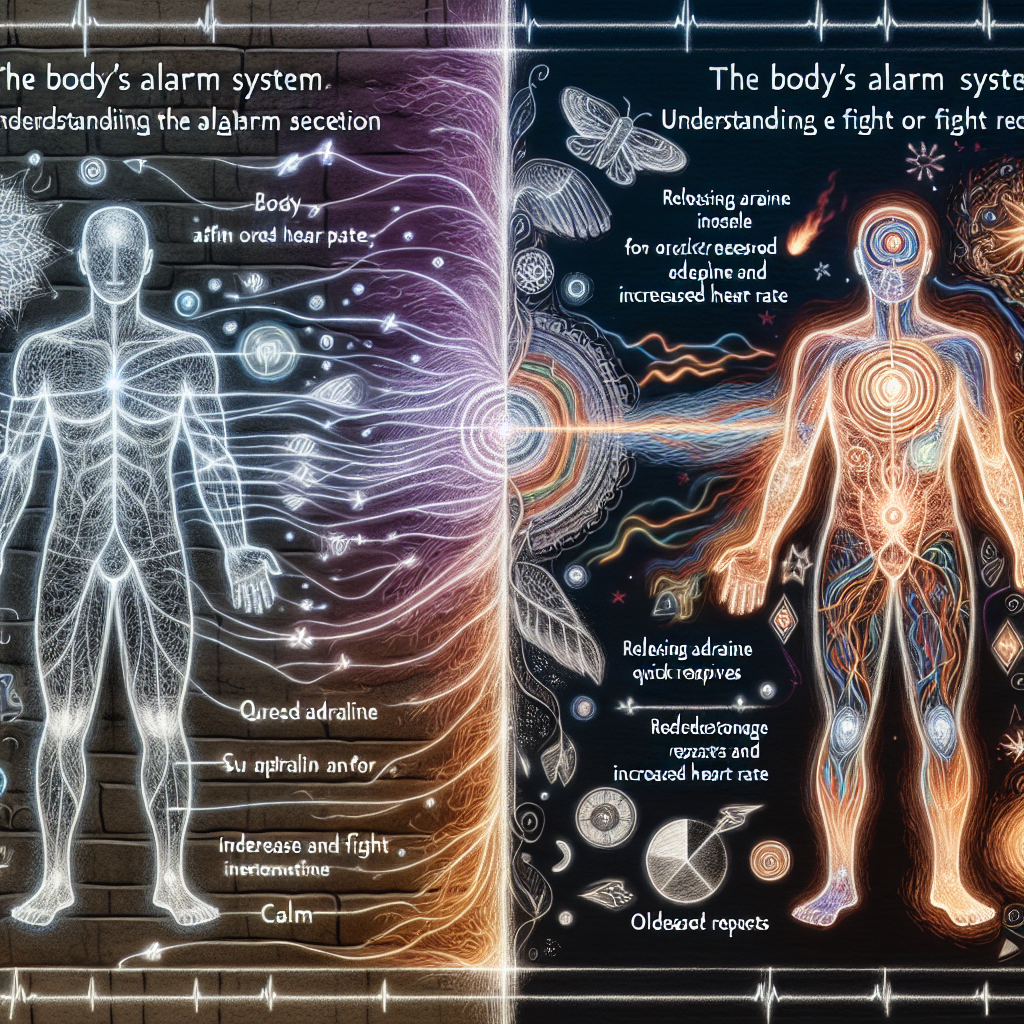
The Body’s Alarm System: Understanding the Fight or Flight Reaction
Introduction
Imagine being in a dark alley when suddenly, a shadowy figure approaches. Your heart races, your palms sweat, and your mind races through countless possibilities—this visceral reaction ignites a sharp awareness of your surroundings. This powerful response is part of the body’s alarm system: understanding the fight or flight reaction, an evolutionary mechanism that has helped our ancestors survive countless threats. In our fast-paced modern world, understanding this reaction isn’t just a matter of intellectual curiosity; it’s essential for managing stress, anxiety, and overall well-being.
The Fight or Flight Reaction: A Biological Overview
What is the Fight or Flight Response?
The fight or flight response is a physiological reaction to perceived danger. First described by Walter Cannon in the early 20th century, this response involves a cascade of hormonal and nervous system changes that prepare the body to either confront or flee from threats. It’s an automatic reaction that involves several systems in our body, primarily controlled by the hypothalamus, adrenal glands, and autonomic nervous system.
Key Components:
- Hormones Involved: Adrenaline and cortisol play crucial roles in heightening alertness, increasing heart rate, and shifting energy supplies toward necessary functions.
- Physical Changes: Increased blood flow to muscles, dilated pupils for better vision, and slowed functions of non-essential systems such as digestion are common during this response.
Case Study: The Soldier’s Experience
Take, for instance, a soldier in a combat zone. The sounds of gunfire trigger an instant fight or flight response. Studies show that soldiers often report heightened awareness and improved physical performance during these moments. (Source: Journal of Military Medicine, 2019) This case illustrates how the response can enhance survival and effectiveness in high-stakes situations.
When the Alarm System Activates
Everyday Triggers
In our daily lives, triggers for the fight or flight reaction can extend beyond life-threatening situations. Common stressors such as work deadlines, relationship issues, or financial concerns can elicit similar responses, sometimes leading to mismanaged stress. Understanding the body’s alarm system: understanding the fight or flight reaction can help people navigate these modern challenges with greater ease.
Stressors and Their Impact
| Stressor | Fight or Flight Response Effect |
|---|---|
| Work Deadlines | Increased heart rate, anxiety |
| Relationship Issues | Heightened emotional sensitivity |
| Financial Trouble | Cortisol spikes, decision-making impairment |
Case Study: The Office Worker
Consider the case of Jane, a corporate employee facing tight deadlines. Jane reports frequent headaches and fatigue due to constant stress. Research indicates that prolonged activation of the fight or flight response can lead to burnout and chronic health issues. (Source: Health Psychology Journal, 2020) Recognizing her triggers allowed her to adopt stress management techniques like breathing exercises and time management strategies—applying insights from the body’s alarm system: understanding the fight or flight reaction in her daily life.
The Role of the Nervous System
The Autonomic Nervous System
Understanding how the autonomic nervous system (ANS) functions is crucial to grasping the fight or flight response. The ANS controls involuntary bodily functions and is divided into the sympathetic and parasympathetic systems. When a threat is perceived, the sympathetic nervous system activates—leading to the fight or flight mode. Once the threat is resolved, the parasympathetic system should ideally take over, helping the body to return to normal function.
Effects of Chronic Activation
Chronic activation of the sympathetic system can lead to various health problems, including obesity, heart disease, and anxiety disorders. Learning to switch between these states is vital for maintaining health and well-being.
Case Study: The Business Executive
John, a business executive, struggled with persistent stress and health problems due to a high-pressure work environment. After participating in a workshop focused on understanding the body’s alarm system: understanding the fight or flight reaction, he learned techniques to activate his parasympathetic system through mindfulness and relaxation strategies. As a result, he reported improved focus, productivity, and a decrease in stress-related health issues.
Techniques for Managing Your Alarm System
Stress Management Strategies
- Mindfulness Meditation: Practices that encourage staying present can help calm the nervous system.
- Regular Exercise: Physical activity helps metabolize stress hormones and stimulates endorphin production.
- Healthy Nutrition: A balanced diet supports overall health, reducing bodily stress responses.
- Breathing Techniques: Controlled breathing can activate the parasympathetic system, reversing fight or flight effects.
Table of Techniques
| Technique | Benefit |
|---|---|
| Mindfulness Meditation | Reduces anxiety and promotes relaxation |
| Regular Exercise | Minimizes stress hormones in the body |
| Healthy Nutrition | Provides nutrients to support stress response |
| Breathing Techniques | Activates parasympathetic relaxation response |
Case Study: The College Student
For Sarah, a college student facing crippling exam anxiety, implementing mindfulness and breathing techniques transformed her performance. Sarah learned how to manage her body’s alarm system efficiently, improving not just her grades but her overall mental health. (Source: Journal of Educational Psychology, 2021)
Long-Term Implications of Fight or Flight Response
Impact on Mental Health
Repeated exposure to perceived threats can lead to issues such as anxiety, depression, and PTSD. Understanding the body’s alarm system: understanding the fight or flight reaction is pivotal in developing effective coping strategies.
Case Study: A Veteran’s Journey
Consider Michael, a veteran with PTSD. His experiences led to a heighted fight or flight response when triggered by loud noises. Through therapy focused on understanding his own physiological reactions, Michael began utilizing grounding techniques to manage symptoms. This case is a striking illustration of how understanding the body’s alarm system aids recovery and personal growth.
Conclusion
Understanding the body’s alarm system: understanding the fight or flight reaction is not just a scientific endeavor; it has profound real-world implications. Whether in personal relationships, work environments, or therapy settings, recognizing this physiological reaction can empower individuals to take control of their responses to stress. Embracing awareness of our body’s alarms allows us to develop healthier coping mechanisms and leads to a more balanced, healthy life.
Actionable Insights
Listeners, reflect on your own triggers and responses. Identify situations that elevate your stress levels and consider implementing stress management techniques. In doing so, you can transform your reaction from one of panic to poise, harnessing the body’s systems to enhance your life.
FAQs Section
1. What triggers the fight or flight response?
Answer: The fight or flight response is triggered by perceived threats—anything that the mind perceives as danger. This can range from physical threats to psychological stressors like deadlines or conflicts.
2. Can I learn to control the fight or flight response?
Answer: Yes, through techniques such as mindfulness, breathing exercises, and regular exercise, individuals can learn to manage and mitigate the fight or flight response effectively.
3. How does chronic stress impact my health?
Answer: Chronic activation of the fight or flight response can lead to various health issues, including heart disease, anxiety disorders, and digestive problems. It’s essential to address chronic stress proactively.
4. Is the fight or flight response the same for everyone?
Answer: While the physiological mechanisms are similar, individuals may have different psychological triggers and responses based on their experiences, genetics, and coping mechanisms.
5. What can I do in the moment when I feel the fight or flight response kicking in?
Answer: Practice deep breathing, focus on grounding techniques (like feeling your feet on the ground), or remove yourself from the triggering situation if possible. Engaging in mindfulness can also help.
Final Thoughts
By enhancing our understanding of the body’s alarm system: understanding the fight or flight reaction, we cultivate resilience in the face of life’s challenges. So take a moment to appreciate this remarkable system—your alarm is there not just to warn, but to guide you toward a more resilient, empowered life.


Dr. Emily Bennett, Clinical Psychology and Mental Health
Dr. Bennett is a licensed clinical psychologist with extensive experience in treating individuals dealing with anxiety, depression, and other mood disorders. She provides insightful content on mental health management, therapy techniques, and coping strategies.