


Introduction
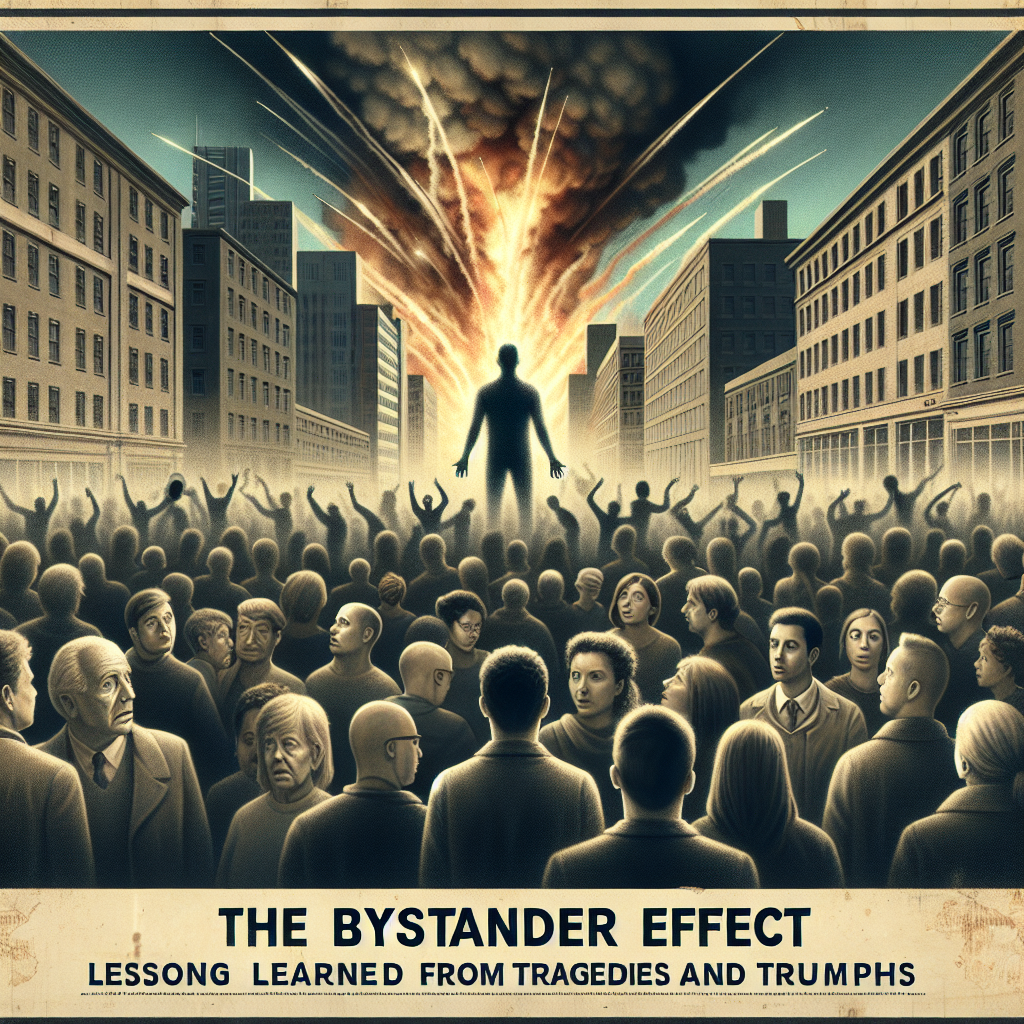
Imagine this: you’re in a crowded area when suddenly, you witness a person collapse on the ground. As panic rises, your instincts kick in. You glance around, expecting someone else to rush in to help. But to your shock, everyone else seems frozen, thinking the same thing: “Surely someone else will do something.” This phenomenon is not just a scene from a thriller movie; it’s a reality we face in everyday situations known as the Bystander Effect. In this article, we will delve into the Bystander Effect: Lessons Learned from Tragedies and Triumphs, exploring the psychology behind it, sharing poignant case studies, and highlighting actionable insights to empower individuals to act, rather than stand idly by.
Understanding the Bystander Effect
The Bystander Effect refers to the psychological phenomenon wherein the presence of others discourages an individual from intervening in an emergency situation. It was first popularized by social psychologists John Darley and Bibb Latané after the tragic murder of Kitty Genovese in 1964, where numerous bystanders failed to assist her. The underlying mechanisms include diffusion of responsibility, social influence, and fear of embarrassment. To truly grasp the Bystander Effect: Lessons Learned from Tragedies and Triumphs, it’s vital to analyze why it happens and how we can combat it.
Case Study: The Murder of Kitty Genovese
Overview
Kitty Genovese was a 28-year-old woman who was brutally murdered in New York City while 38 witnesses reportedly did nothing to help her. This tragedy sparked extensive research into the Bystander Effect, highlighting how individuals often assume others will take responsibility.
Analysis
This case is not just an isolated incident; it embodies a critical turning point in our understanding of human psychology. The lesson here is that inaction from multiple witnesses can lead to catastrophic outcomes. From this tragedy arose a societal obligation to educate individuals about the importance of intervening in emergencies.
The Psychology Behind the Bystander Effect
The mechanics of the Bystander Effect can be unpacked into three primary psychological processes:
- Diffusion of Responsibility: When more people are present, individuals feel less accountable to take action.
- Social Influence: Observing others’ inaction leads individuals to deem the situation as non-threatening.
- Fear of Social Blunders: Concerns about misjudging a situation can inhibit individuals from taking action.
Understanding these factors can inform training and educational programs to encourage proactive behaviors.
| Psychological Process | Description |
|---|---|
| Diffusion of Responsibility | Shared responsibility among a group leads to reduced individual effort |
| Social Influence | Individuals look to others to gauge the seriousness of a situation |
| Fear of Social Blunders | Concerns about misinterpreting a situation can prevent intervention |
Triumphs: Stories of Courage and Action
While the Bystander Effect often highlights human inaction, there are notable examples of individuals rising above the phenomenon. These stories serve as inspirations and provide lessons in courage and collective action.
Case Study: The Backpack Hero
In 2017, an incident at a music festival in Las Vegas saw a lone concertgoer intervene as gunfire erupted. Despite chaos surrounding him, he moved quickly to help others escape, even using his backpack to shield a friend from harm.
Analysis
This incident serves as a testament to human courage amidst panic. The Bystander Effect can be countered when individuals feel personally connected to others in their vicinity. Each person’s decision to act can inspire surrounding individuals to do the same, proving that triumphs can emerge even from dreadful situations.
How to Combat the Bystander Effect
In light of these insights from both tragedies and triumphs, addressing the Bystander Effect begins with education. Here are effective strategies to encourage active participation during emergencies:
- Awareness Campaigns: Public awareness can reduce the Bystander Effect by informing individuals about the psychological mechanisms at play.
- Peer Intervention Programs: Teaching and empowering individuals to intervene can lead to increased responsiveness.
- Emergency Training: Training programs in first aid or crisis management can instill confidence in individuals to act decisively.
Implementing these strategies is essential in transforming societal attitudes towards intervention.
Lessons for Everyday Life
Every one of us can utilize the Bystander Effect: Lessons Learned from Tragedies and Triumphs in our daily lives. Here are practical tips for encouraging intervention:
- Be Present: Stay alert in public spaces and encourage others to do the same.
- Make Eye Contact: Connecting with someone can facilitate action—whether it’s asking for assistance or helping someone directly.
- Talk About It: Sharing stories of successful interventions can build a culture where helping others is the norm.
These simple strategies can empower individuals to overcome the hesitance instigated by the Bystander Effect.
Conclusion
Reflecting on the Bystander Effect: Lessons Learned from Tragedies and Triumphs, we see the vital importance of taking action in emergency situations. The blend of psychology and the human experience paints a complex portrait of responsibility and courage. By taking deliberate steps to mitigate the Bystander Effect, we foster communities that prioritize intervention and support. Let us remember that in moments of need, every action counts, and each one of us has the potential to be a hero.
FAQs
1. What is the Bystander Effect?
The Bystander Effect is a psychological phenomenon where individuals are less likely to offer help in an emergency situation when other people are present.
2. How can I overcome the Bystander Effect?
To combat the Bystander Effect, become aware of its presence, take personal responsibility, and educate yourself on how to respond to emergencies proactively.
3. Are there situations where the Bystander Effect is less likely to occur?
Yes, individuals are more likely to intervene if they feel a personal connection to the victim or are made to feel responsible by someone else (e.g., direct appeal).
4. What role do social media and technology play in the Bystander Effect?
Social media can amplify the Bystander Effect by creating a false sense of security, making individuals feel that someone else will document or report the situation rather than acting personally.
5. How can communities promote active intervention?
Communities can promote active intervention through awareness campaigns, public training sessions, and encouraging narratives around successful interventions to foster a culture of support.
By understanding the Bystander Effect: Lessons Learned from Tragedies and Triumphs, we can turn each instance of tragedy into a triumph of action and empathy.


Dr. Leah Howard, Positive Psychology
Dr. Howard is a researcher and advocate for positive psychology, focusing on human strengths, happiness, and well-being. Her writings explore how people can cultivate a positive mindset, improve resilience, and develop emotional intelligence to live fulfilling lives.