


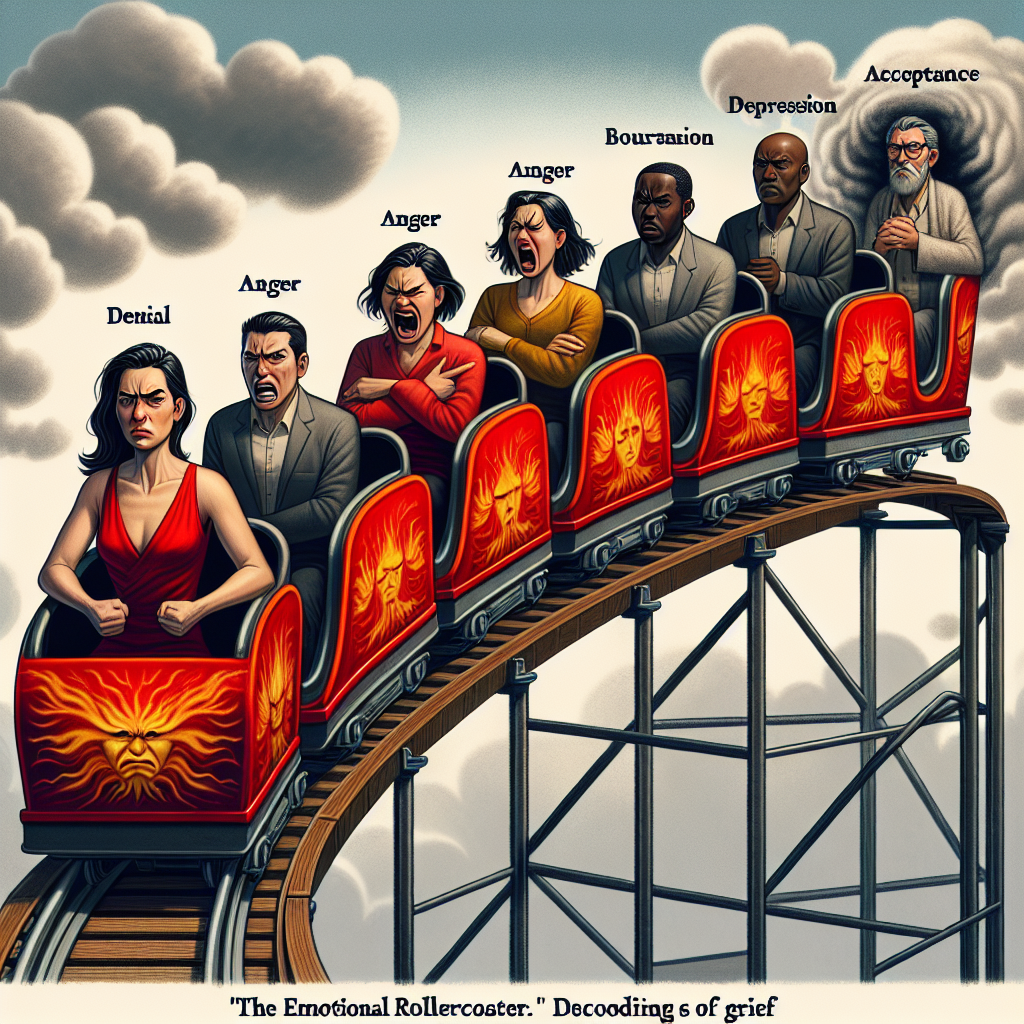
The Emotional Rollercoaster: Decoding the Stages of Grief – Your Ultimate Guide
Introduction
Grief is one of the most profound and universal human experiences—yet it remains one of the least understood. As we navigate through the losses in life, be they the death of a loved one, the end of a meaningful relationship, or even the loss of a dream, we often find ourselves on what feels like an emotional rollercoaster. This journey can be disorienting; the unpredictable ups and downs leave many feeling isolated and overwhelmed.
In this article, "The Emotional Rollercoaster: Decoding the Stages of Grief," we will explore the intricacies of grief, illuminate its stages, and provide you with actionable insights to help navigate this challenging process. By decoding these emotional pathways, you can begin to understand not only your own feelings but also the experiences of those around you.
The Emotional Rollercoaster: Grasping the Concept of Grief
Grief is not a linear journey; it resembles a winding path filled with both highs and lows, unexpected delays, and even detours. When someone you love is lost, the emotional responses can be intense and multiform. At times, you might feel relief or acceptance; at others, you may find yourself grappling with profound sorrow or even anger. Understanding the stages of grief can help you plot a course through this emotional landscape.
The Five Stages of Grief
According to Elizabeth Kübler-Ross, who introduced the Five Stages of Grief in her book "On Death and Dying," the emotional journey encompasses several key phases. While individuals may not experience these stages in order, recognizing them can be empowering. Below is a brief overview:
-
Denial: The initial shock of loss can lead to denial. Thoughts like “This can’t be happening” or “I refuse to accept this” often dominate.
-
Anger: As the reality begins to set in, feelings of anger may arise. This anger might be directed towards the situation, oneself, others, or even the deceased.
-
Bargaining: At this stage, individuals often find themselves contemplating “what if” scenarios. This can manifest as attempts to negotiate for relief from the emotional pain.
-
Depression: A profound sadness can envelop a person during this phase. This is often characterized by feelings of hopelessness and despair as the weight of the loss becomes more tangible.
- Acceptance: Finally, acceptance doesn’t mean you’re “okay” with the loss. Instead, it signifies that you are beginning to find ways to live with it.
Case Study: The Journey of "Maria"
Maria lost her brother in a tragic accident. Initially, she found herself in a state of disbelief, thinking it was a cruel joke.
- Denial: She refused to accept his absence, telling herself he would walk through the door any moment.
- Anger: As the days passed, her thoughts turned to rage, directing blame towards the driver who caused the accident.
- Bargaining: Periods of wishful thinking consumed her; she prayed for him to come back.
- Depression: Gradually, the heaviness of her reality wrapped around her; she withdrew from friends and family.
- Acceptance: With time, Maria started to honor her brother’s memory by celebrating his life, finding solace in shared stories and happy memories.
Analysis: Maria’s journey illustrates the complexity of the emotional rollercoaster of grief. Her experiences highlight that it’s not uncommon to oscillate between stages, emphasizing that grief is deeply personal and non-linear.
Navigating the Stages of Grief
To help you understand and work through your emotions, consider the following strategies for each stage of grief.
Denial: Building Awareness
In the denial stage, focus on acknowledging your feelings. Journaling can be a powerful way to cultivate self-awareness.
- Activity: Create a dedicated grief journal where you document your feelings.
Anger: Expressing Emotions Safely
It’s vital to find constructive outlets for anger. Engaging in physical activity can help release pent-up emotions.
- Activity: Try participating in sports or physical exercise. This release can serve as a healthy outlet for frustration.
Bargaining: Recognizing Triggers
During bargaining, identify the thoughts or events that trigger feelings of regret or “what if.” Reflect on these moments without judgment.
- Activity: Connect with a support group or a therapist. Sharing and listening can provide perspectives that help clarify your feelings.
Depression: Seeking Support
Understanding that depression is often a natural part of the grieving process is crucial.
- Activity: Don’t hesitate to seek professional help. Therapeutic practices, like Cognitive Behavioral Therapy (CBT), can be very effective.
Acceptance: Fostering Hope
When you reach acceptance, it’s time to focus on building a new relationship with your memories.
- Activity: Consider creating a tribute to your loved one, such as a scrapbook or a memory box.
The Impact of Grief on Relationships
Grief doesn’t just affect the individual; it can ripple through relationships. Friends and family may feel ill-equipped to provide support, leading to misunderstandings.
Communication Strategies
-
Stay Open: Expressing your feelings can help loved ones understand your emotional state. Encourage honest dialogue.
- Set Boundaries: If you need time alone to process, communicate this clearly. Your loved ones will appreciate the honesty.
Tools and Resources for Navigating Grief
Support Groups
Consider joining a local or online support group where sharing experiences with others can validate your feelings and reduce isolation.
| Resource | Description | Access |
|---|---|---|
| GriefShare | Offers support groups in various locations | www.griefshare.org |
| The Compassionate Friends | Focuses on parents grieving the loss of a child | www.compassionatefriends.org |
| Local Community Centers | Often host grief support meetings | Contact your local center |
Books and Literature
Expanding your knowledge can provide comfort and validate your experiences. Here are some recommended reads:
- “The Grief Recovery Handbook” by John W. James and Russell Friedman: A practical guide for navigating loss.
- “When Breath Becomes Air” by Paul Kalanithi: A poignant memoir by a neurosurgeon facing terminal cancer.
- “Option B” by Sheryl Sandberg and Adam Grant: This book explores resilience in the face of grief and loss.
Conclusion
Life’s emotional rollercoaster brings inevitable moments of joy and sorrow. Understanding and decoding the stages of grief can turn chaos into clarity, helping navigate this universal journey.
As you find yourself navigating your circumstances, remember: there is no “right way” to grieve, and no timeline for healing. Each emotional dip and turn signifies an experience that shapes you, paving the way toward emotional growth.
Actionable Takeaway
Embrace your timeline and acknowledge each stage of grief as part of a vital journey. Allow yourself to express and share your feelings; it can be a beacon of hope in dark times.
FAQs
-
How long does grief last?
Grief has no set duration. It varies greatly depending on relationships, circumstances, and personal coping mechanisms. -
Is it normal to feel angry during grief?
Yes, anger is a common and natural part of the grieving process. -
Can grief lead to physical symptoms?
Absolutely. Grief can manifest physically, leading to fatigue, headaches, or other stress-related symptoms. -
What should I say to someone who is grieving?
Simple expressions of support, like “I’m here for you,” can be comforting. Avoid clichés. - Should I seek professional help while grieving?
If feelings overwhelm you or persist for a long time, reaching out for professional support is highly beneficial.
By understanding "The Emotional Rollercoaster: Decoding the Stages of Grief," you arm yourself with valuable insights, allowing for a healthier navigation through life’s inevitable challenges. As you embrace your journey, remember that healing is possible, and hope exists.

