


Introduction
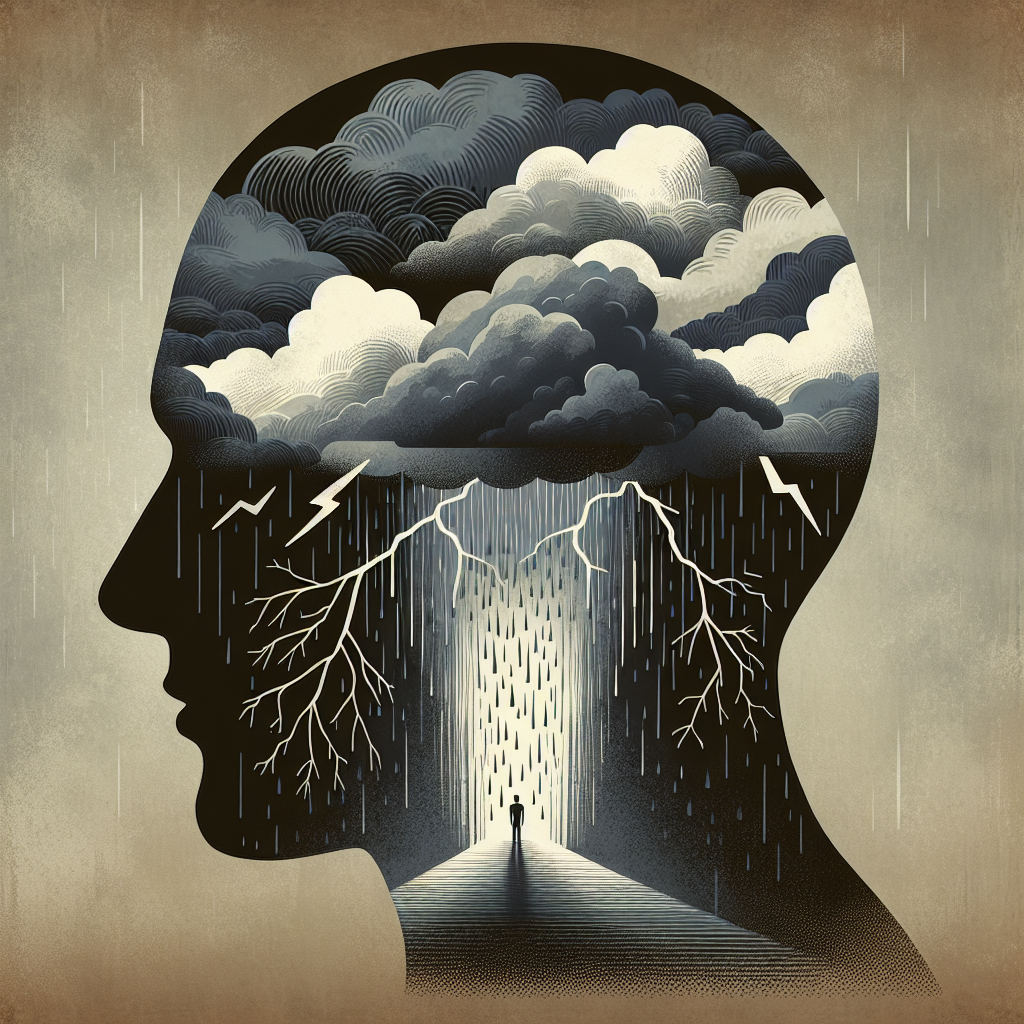
In our fast-paced world, stress has become an unwelcome companion for many. It lurks in our daily routines, waiting to pounce as we juggle work, family, and personal obligations. But what do we often overlook? The Emotional Toll of Stress: Understanding Psychological Responses is more than just a phrase; it encapsulates the multi-faceted effects that stress has on our mental and emotional well-being. This article delves deep into these responses, unfolding the layers of emotional strain, psychological mechanisms, and practical strategies that empower us to reclaim our emotional health.
The Anatomy of Stress
Understanding the Stress Response
Stress triggers a complex reaction in our body, often termed the "fight or flight" response. When faced with a stressful situation, the hypothalamus sends signals to the adrenal glands to release hormones, primarily adrenaline and cortisol. While these hormones prepare us for immediate action, prolonged exposure can lead to detrimental psychological effects.
Table 1: The Stress Response Cycle
| Stage | Response |
|---|---|
| Perception of Stress | Brain processes threat |
| Hormonal Release | Adrenaline and cortisol surge |
| Physical Reaction | Increased heart rate, muscle tension |
| Emotional Response | Anxiety, fear, irritability |
| Recovery/Adaptation | Restoring balance |
Different Types of Stress
Stress can be categorized into three main types: acute, episodic acute, and chronic stress. Each type has its own emotional toll, impacting mental health differently.
-
Acute Stress: Short-term stress resulting from immediate challenges. It can be a motivator but may cause anxiety if frequent.
-
Episodic Acute Stress: Occurs when acute stress is experienced frequently. This can lead to irritability and a constant sense of urgency.
- Chronic Stress: Persistent stress which can lead to various psychological disorders, including depression and anxiety.
The Emotional Toll of Stress: Psychological Responses
Impact on Mental Health
The Emotional Toll of Stress: Understanding Psychological Responses reveals that our mental health is intricately tied to how we manage stress. Stress manifests in various mental health issues:
-
Anxiety Disorders: Continuous stress is linked to heightened anxiety symptoms, affecting daily functioning.
- Depression: The link between chronic stress and depression is well-documented. Stress diminishes our ability to cope, leading to feelings of hopelessness.
Case Study 1: Sarah’s Battle with Anxiety
Sarah, a 30-year-old project manager, experienced escalating anxiety levels due to workplace stress. After six months of high pressure, she sought therapy. Through cognitive behavioral therapy (CBT), she learned to recognize how her thoughts influenced her emotions and behaviors. By reframing her thought patterns, Sarah was able to mitigate the emotional toll. Her case illustrates how professional help can be pivotal in navigating the emotional chaos often brought on by stress.
Physical Manifestations of Psychological Responses
Stress doesn’t just stay in the mind; it echoes throughout the body. Here are common physical manifestations of emotional strain:
-
Insomnia: Stress can lead to sleep disturbances, which further exacerbate psychological issues.
-
Chronic Pain: Stress is linked to increased muscle tension and chronic pain conditions.
- Fatigue: Mental fatigue can arise from dealing with persistent emotional stressors.
Coping Mechanisms and Their Efficacy
Understanding how individuals cope with stress can be illuminating in addressing its emotional toll. Common coping mechanisms include:
-
Avoidance: Often leads to an increase in stress over time.
-
Problem-solving: Active coping can decrease the emotional toll.
- Social Support: Studies show that social interactions can buffer stress effects, exemplifying the role of community in emotional recovery.
Table 2: Coping Strategies and Their Effects
| Coping Mechanism | Efficacy |
|---|---|
| Avoidance | Often counterproductive |
| Active Problem-solving | Highly effective |
| Seeking Social Support | Effective buffer |
| Emotional Expression | Can relieve stress |
Building Resilience Against Stress
What is Resilience?
Resilience is our ability to bounce back from adversity. The Emotional Toll of Stress: Understanding Psychological Responses can be alleviated through strategies that enhance resilience.
-
Mindfulness: Practicing mindfulness has shown promise in reducing stress and improving emotional regulation.
-
Physical Activity: Regular exercise not only reduces stress but also elevates mood through endorphin release.
- Healthy Eating: Nutrition plays a crucial role in how we manage stress. Diets rich in fruits, vegetables, and Omega-3 fatty acids can support emotional health.
Case Study 2: Mark’s Transformation Through Mindfulness
Mark, a 42-year-old graphic designer, found himself overwhelmed by life changes. After discovering mindfulness meditation, he started practicing daily. Over a few months, Mark reported reduced anxiety and improved overall well-being. His story exemplifies the transformative power of mindfulness on emotional health.
Practical Strategies for Managing Stress
Self-Care Routines
Self-care is essential for mitigating stress:
-
Journaling: This can help clarify thoughts and emotions.
-
Setting Boundaries: Learning to say no can protect against overwhelming commitments.
- Engaging in Hobbies: Pursuing enjoyable activities can act as a buffer against stress.
Professional Help
Sometimes stress can feel insurmountable. Seeking professional help through therapy or counseling can be an effective step in managing emotional responses.
Table 3: Types of Professional Help
| Type of Help | Description |
|---|---|
| Cognitive Behavioral Therapy (CBT) | Addresses negative thought patterns |
| Mindfulness-Based Therapy | Focuses on present mindfulness |
| Group Therapy | Provides support from peers |
| Medication | May alleviate symptoms effectively |
The Long-Term Effects of Chronic Stress
The Emotional Toll of Stress: Understanding Psychological Responses is vital for grasping long-term implications. Chronic stress can lead to severe health complications such as cardiovascular diseases and weakened immune function.
The Connection to Lifestyle Diseases
Chronic stress is often a precursor to lifestyle-related diseases. Understanding this connection encourages a proactive approach to stress management.
Hope and Healing
Recognizing the emotional toll of stress is the first step toward healing. By adopting healthy coping strategies and seeking support, individuals can reduce stress’s impact and foster a sense of hope.
Conclusion
The Emotional Toll of Stress: Understanding Psychological Responses highlights the intricacies of how stress affects our emotional state. By understanding the physiological mechanisms behind stress and actively managing its effects, we can reclaim control over our mental health.
Take a moment each day to invest in your well-being. Whether through mindfulness, exercise, or simply talking with friends, find what nurtures your emotional health. Remember, the journey toward emotional resilience is ongoing—embrace each step.
FAQs Section
1. What are the signs of emotional stress?
Common signs include anxiety, irritability, fatigue, difficulty concentrating, and social withdrawal.
2. How can I manage stress effectively?
Effective stress management techniques include regular exercise, mindfulness practices, and maintaining a balanced diet.
3. When should I seek professional help for stress?
If stress leads to persistent anxiety, depression, or interferes with daily functioning, seeking professional help is advisable.
4. Can stress affect physical health?
Yes, chronic stress can lead to numerous physical health issues, including heart disease, digestive problems, and weakened immunity.
5. Is it normal to feel stressed?
Yes, stress is a natural response to challenges. However, it’s essential to manage it effectively to prevent mental and physical health complications.
By understanding the profound impact of stress on our emotional health and applying the strategies discussed, we can start to navigate the complexities of The Emotional Toll of Stress: Understanding Psychological Responses with greater insight and resilience.


Dr. Leah Howard, Positive Psychology
Dr. Howard is a researcher and advocate for positive psychology, focusing on human strengths, happiness, and well-being. Her writings explore how people can cultivate a positive mindset, improve resilience, and develop emotional intelligence to live fulfilling lives.