


Introduction
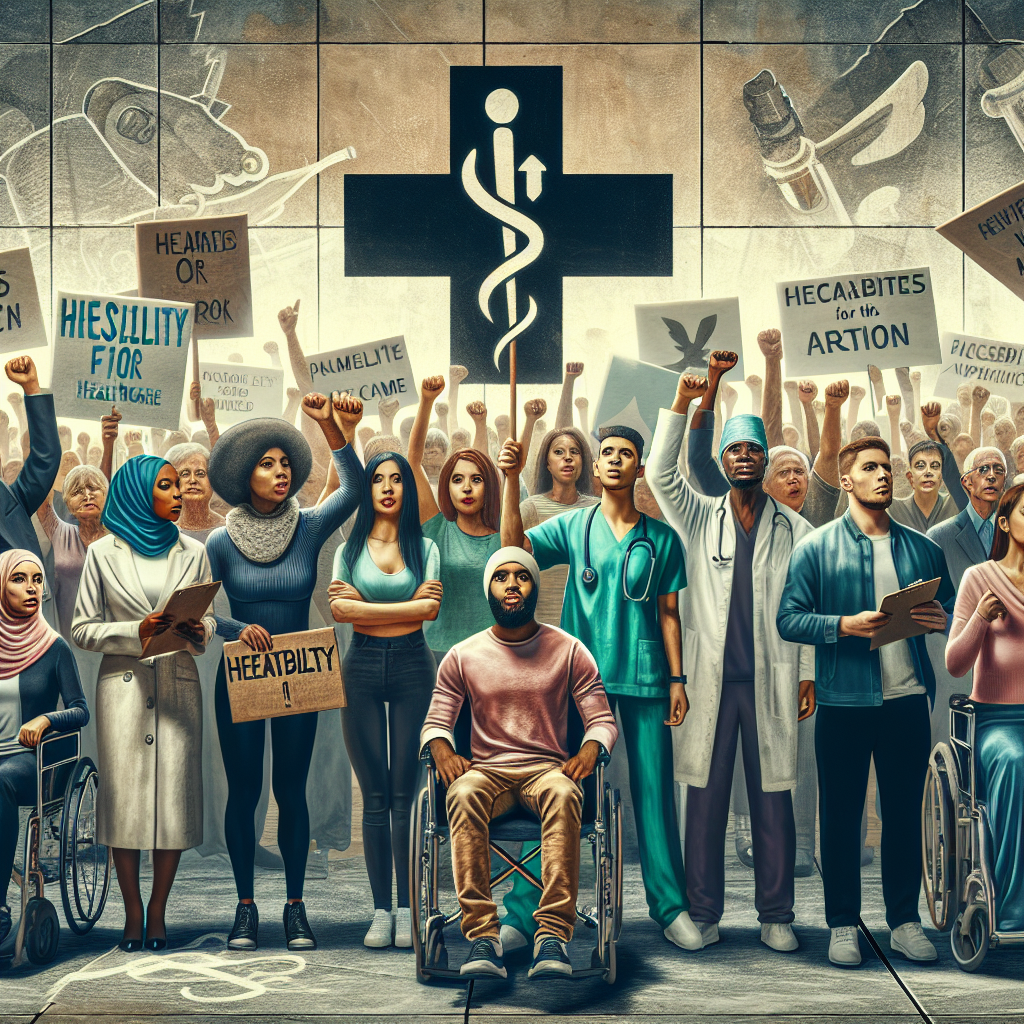
Imagine a world where access to healthcare is a universal right, unchallenged by disability or circumstance. Yet, we find ourselves entrenched in a pervasive struggle—the fight for healthcare: disability rights in the medical system. Every day, millions of people with disabilities navigate a complex maze of healthcare services, often facing barriers that not only hinder their access to necessary medical care but also jeopardize their right to live healthy, fulfilling lives. This article takes an in-depth look at these challenges, the historical context surrounding disability rights, and the vital ongoing fight to ensure equitable healthcare for all.
Understanding the Landscape of Disability Rights
Historical Context
The story of healthcare and disability rights extends back decades, rooted in both societal norms and legislative changes. The Americans with Disabilities Act (ADA) of 1990 marked a significant milestone, prohibiting discrimination and ensuring equal opportunities, including healthcare access.
Case Study: The ADA and Its Impact
The ADA represented a breakthrough for individuals with disabilities. For example, after the act was passed, hospitals began implementing changes such as wheelchair ramps, accessible restrooms, and modified examination tables. However, while these physical changes were essential, the fight for healthcare: disability rights in the medical system involves much more than physical access. It encapsulates the need for trained healthcare professionals who understand the unique needs of those with disabilities.
Current Challenges in Healthcare Access
Despite the progress made, barriers remain formidable. Individuals with disabilities often encounter:
-
Inadequate Training for Healthcare Providers: Many doctors and nurses lack specific awareness about the unique health needs of people with disabilities, contributing to misdiagnoses and inadequate treatment.
-
Financial Barriers: High costs associated with adaptive devices, medication, and therapy can prevent individuals from seeking necessary care.
- Systemic Inequities: The fight for healthcare: disability rights in the medical system is also intertwined with broader socio-economic disparities, often exacerbating healthcare access issues among marginalized populations.
Key Statistics and Data
| Statistical Insight | Percentage |
|---|---|
| Adults with disabilities who report unmet healthcare needs | 48% |
| Individuals with disabilities living below the poverty line | 30% |
| Healthcare providers who feel adequately trained to treat disabled patients | 25% |
These statistics mirror the realities faced by millions, highlighting the urgent need for reform in the medical system.
Shattering the Stigma: Changing Perceptions of Disability
The Role of Awareness and Education
The fight for healthcare: disability rights in the medical system is not solely about laws and regulations—it’s also about changing perceptions. The stigmas surrounding disabilities often discourage individuals from seeking necessary healthcare. Awareness campaigns can play a crucial role in reshaping public opinion.
Case Study: The “Nothing About Us Without Us” Movement
This advocacy movement emphasizes that people with disabilities should be at the forefront of discussions and decisions impacting their healthcare. By creating platforms where disabled individuals can share their experiences and insights, this movement fosters a dialogue that can lead to better policies and practices.
The Importance of Intersectionality
Understanding how various aspects of identity—such as race, gender, and socio-economic status—intersect with disability can illuminate the intricate layers of the fight for healthcare: disability rights in the medical system. Intersectional analysis reveals that marginalized groups face compounded barriers to healthcare access.
The Role of Technology in Empowering Healthcare Access
Telehealth: A Game Changer?
Telehealth technologies have emerged as a vital resource for improving access to healthcare for individuals with disabilities. For those with mobility challenges or those living in rural areas, telehealth provides a practical solution to accessing medical advice and services from the comfort of home.
Case Study: Telehealth in Action
During the COVID-19 pandemic, many healthcare providers transitioned to telehealth practices, resulting in a surge in accessibility for patients with disabilities. Reports show that patients found it easier to attend virtual appointments, highlighting telehealth’s potential to break down barriers.
Assistive Technology: Enhancing Quality of Life
Assistive technology plays a pivotal role in the fight for healthcare: disability rights in the medical system. Tools such as speech recognition software, adaptive devices, and mobile health applications can empower individuals to manage their health better.
The Institutional Response: Legislation and Advocacy
Key Legislation and Policies
The fight for equitable healthcare access has prompted numerous policy changes. These include:
-
Affordable Care Act (ACA): The ACA plays a crucial role in ensuring access to preventive care without out-of-pocket costs, benefiting individuals with disabilities.
- Mental Health Parity and Addiction Equity Act (MHPAEA): This act mandates that mental health services be covered equally to physical health services, critical for many with disabilities.
Grassroots Advocacy: Mobilizing Change
Grassroots organizations have empowered individuals and families to advocate for their rights and demand improvements in the healthcare system. Movements like the Disability Rights Education and Defense Fund (DREDF) play a vital role in fostering change through education and advocacy efforts.
Case Study: DREDF’s Impact
DREDF has successfully fought legal battles for individuals with disabilities, ensuring that their healthcare rights are recognized. By mobilizing communities and leveraging legal frameworks, these organizations represent the backbone of the fight for healthcare: disability rights in the medical system.
Real-World Implications: Voices from the Field
Testimonials from Individuals with Disabilities
It is essential to highlight the stories of individuals affected by healthcare inequities. For example, consider Sarah—a woman living with multiple sclerosis—who shares her challenges in accessing timely treatments:
"I often feel like I’m navigating a system that’s not built for me. I shouldn’t have to fight for basic healthcare services due to my condition."
Her experience underscores the ongoing struggle many face while illustrating the critical importance of reform within the medical system.
Empowering Stories of Change
While the fight for healthcare: disability rights in the medical system continues, positive stories reveal the potential for change. Organizations like the National Council on Independent Living empower individuals to speak out and seek justice, advocating themselves in the healthcare space.
Actionable Steps for Readers
Get Educated
Knowledge is power. Readers can become advocates by educating themselves about disability rights laws and healthcare access issues.
Support Organizations Making a Difference
Consider donating to or volunteering with organizations that advocate for disability rights. Support can amplify their work and create broader awareness.
Engage in Conversations
Open dialogues within communities help dismantle stigma surrounding disabilities. Share experiences, celebrate victories, and challenge misconceptions.
Conclusion
The fight for healthcare: disability rights in the medical system is a multifaceted struggle that encompasses legal, educational, and personal challenges. While significant barriers persist, the ongoing advocacy and societal shifts signal a promising future. By standing together and amplifying the voices of disabled individuals, we can create a healthcare system that genuinely serves everyone.
Call to Action
As engaged citizens, we all have a role in this fight. Whether through advocacy, education, or support, be part of the solution to ensure that healthcare is a right—not a privilege.
FAQs
1. What does having a disability mean in the context of healthcare rights?
Having a disability means that individuals may require specialized medical attention and accommodations to access necessary healthcare. Rights entail equitable treatment and access to medical services without discrimination.
2. How can I get involved in advocating for disability rights?
There are multiple avenues to get involved, including volunteering with advocacy organizations, participating in awareness campaigns, and educating others about disability rights.
3. What are the most pressing issues faced by people with disabilities in healthcare?
Key issues include lack of accessibility, inadequate training for healthcare providers, high costs, and systemic inequities affecting marginalized groups.
4. What role does legislation play in ensuring disability rights in healthcare?
Legislation, such as the ADA and the ACA, establishes legal protections for individuals with disabilities, ensuring equal access to healthcare services.
5. How can technology improve healthcare access for individuals with disabilities?
Technology, such as telehealth and assistive devices, can enhance accessibility and allow individuals to manage their healthcare effectively from home, removing a significant barrier to access.
This article endows readers with a deeper understanding of the complexities surrounding healthcare rights for people with disabilities and serves as both a guide and call to action in this critical fight for equality.


The PsyForU Editorial Collective is the research and editorial team of PsyForU Research International. The collective prepares educational, psychological, mental-health-awareness, inclusion, neurodiversity, and research-methodology content for students, parents, educators, researchers, and general readers. PsyForU content is intended for awareness, education, and capacity-building and should not be treated as clinical diagnosis, therapy, medical advice, legal advice, or emergency mental-health support.