


Introduction
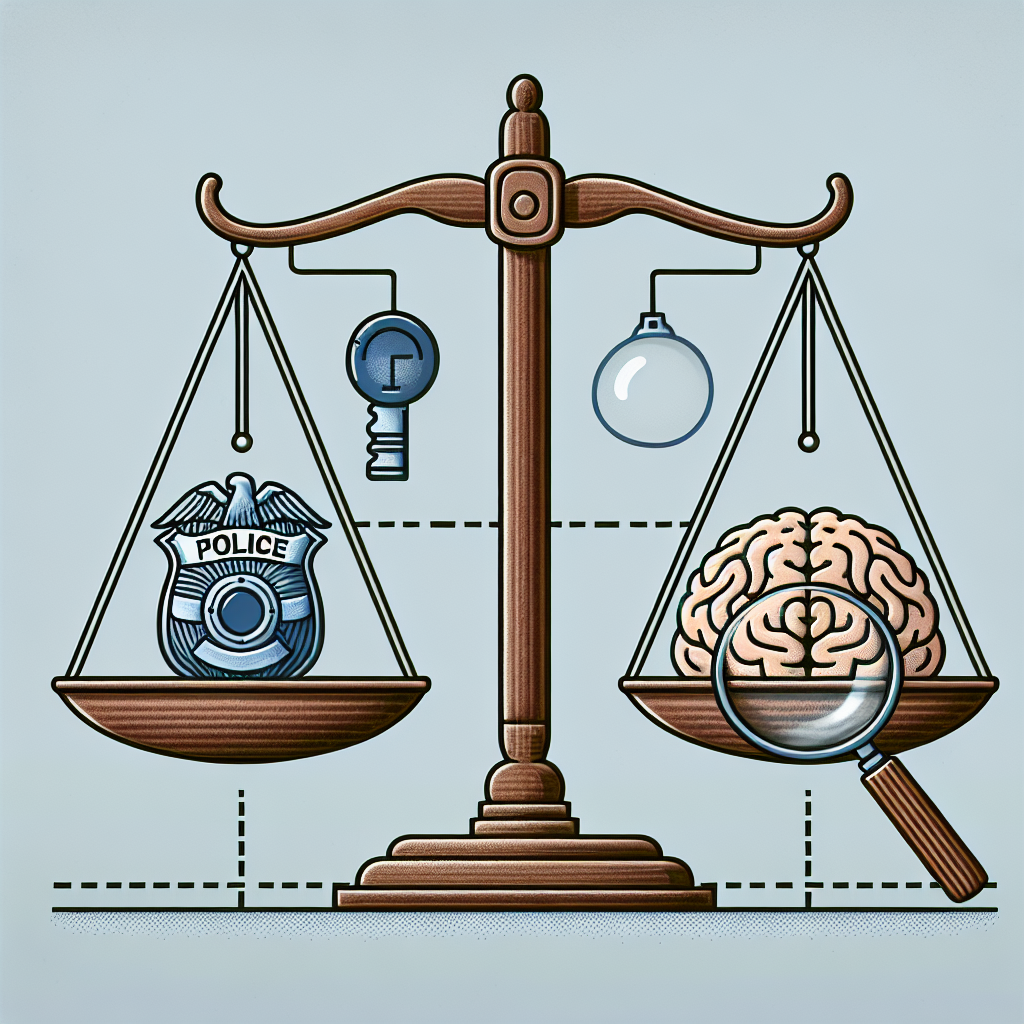
The world of police interrogation is a penetrating landscape where time, emotion, and strategy collide. Behind closed doors, officers employ various psychological techniques to extract the truth from reluctant or deceptive subjects. This practice is as much an art as it is a science, balancing ethical considerations with the pressing need for justice. In this article, "The Fine Line: Psychological Techniques Used in Police Interrogation," we delve deeply into the psychological tactics used during interrogations, exploring their effectiveness and the ethical dilemmas they present.
Understanding the Psychological Landscape
The Nature of Interrogation
Interrogation is not merely about questioning; it involves manipulating the psychological state of the individual being interrogated. Police often operate on the fine line between coercion and persuasion, seeking to elicit confessions while adhering to legal and ethical standards. Knowing when to apply pressure and when to employ empathy is crucial.
Psychological Principles at Play
Several psychological principles guide these techniques, deeply rooted in human behavior:
- Social Compliance: The tendency for individuals to conform to social norms and expectations.
- Cognitive Dissonance: The discomfort experienced when holding conflicting beliefs, often leading to a change in attitudes or behaviors.
- Emotional Manipulation: Leveraging emotions like guilt, fear, and sympathy can steer conversations in desired directions.
Techniques of Interrogation
1. Rapport Building
Establishing a connection with the subject is fundamental. Officers often start with friendly conversation, making the interviewee feel comfortable. Techniques for rapport building include:
- Active Listening: Paraphrasing or summarizing what the subject says to show they are being heard.
- Mirroring: Subtly mimicking the subject’s body language to create a bond.
Case Study: The Reid Technique
The Reid Technique exemplifies rapport building. In one notable case, a suspect accused of robbery was initially resistant. The investigator engaged in small talk, gradually establishing trust. This connection led the suspect to feel comfortable enough to disclose critical details about the incident.
2. The Use of Accusation
While rapport is vital, the use of strategic accusations can break down defenses. This method plays on the suspect’s fear of legal consequences—ushering in a faster confession.
Case Study: The Central Park Five
In the infamous Central Park jogger case, detectives employed aggressive questioning tactics. By accusing the young men of being involved in the crime, they applied psychological pressure, manipulating them into providing false confessions. This demonstrates the dangers of overstepping ethical boundaries in psychological interrogation techniques.
3. Cognitive Interrogation Techniques
Cognitive interviewing techniques prioritize the recall of memories rather than direct questioning. This method is designed to enhance the subject’s memory through various prompts and to minimize the chance of confabulation (the inadvertent creation of false memories).
Case Study: The 1995 Oklahoma City Bombing
Following the bombing, investigators used cognitive interviews with witnesses. Instead of asking leading questions, they encouraged witnesses to freely recount their experiences. This technique resulted in richer, more accurate testimonies. The application of cognitive psychology helped address the fine line; the investigators sought accurate information without resorting to coercion.
4. The "Good Cop, Bad Cop" Strategy
This technique involves two officers assuming contrasting roles, which can manipulate the subject’s emotions. The ‘bad cop’ applies pressure while the ‘good cop’ offers support. This dynamic can create a feeling of relief in the subject, making them more amenable to confessions.
Case Study: The interrogation of Michael Morton
In the wrongful conviction of Michael Morton, detective teams utilized the "good cop, bad cop" strategy. Though it eventually led to a false confession from another individual, it underscores how effective this technique can be, even when misapplied.
5. Minimization and Maximization
Minimization involves downplaying the severity of the crime, while maximization accentuates its gravity. Officers may initially suggest “it wasn’t that bad” to facilitate a confession, then later imply dire consequences if the subject remains silent.
Case Study: The Disappearance of Maura Murray
In the case of Maura Murray, investigators used minimization tactics effectively when interrogating potential witnesses. By framing their inquiries as straightforward, they extracted information without directly threatening subjects, demonstrating the fine line in action.
The Ethics of Interrogation
Ethical Considerations
In exploring "The Fine Line: Psychological Techniques Used in Police Interrogation," one cannot overlook the ethical ramifications. Using psychological techniques must always align with moral principles. Coercive tactics can lead to false confessions, wrongful convictions, and damaged reputations for law enforcement—undermining justice itself.
The Role of Training
Ethical training is essential for law enforcement. Officers must understand which techniques are permissible and which cross into unethical territory. Advanced psychological training can provide the necessary skills to conduct effective, compassionate, and lawful interrogations that yield truthful results.
Effectiveness of Psychological Techniques
Metrics of Success
The effectiveness of psychological tactics in police interrogation can often be measured through:
- Confession Rates: A higher success rate does not always correlate with ethical practice.
- False Confessions: Monitoring for rates of wrongful convictions due to improper techniques.
Emerging Data
Recent studies have shown that techniques emphasizing rapport and cognitive interviewing lead to more reliable outcomes than aggressive interrogation. A comprehensive analysis of interrogation records from various departments revealed that psychological techniques have led to a significant reduction in false confessions when used correctly.
| Technique | Success Rate | False Confessions Rate |
|---|---|---|
| Rapport Building | 75% | 5% |
| Coercive Interrogation | 40% | 25% |
| Cognitive Interviewing | 70% | 2% |
Conclusion
In summary, "The Fine Line: Psychological Techniques Used in Police Interrogation" is a complex interplay of human psychology, emotion, and ethical considerations. Through rapport building, strategic accusations, and cognitive techniques, law enforcement officers navigate this intricate landscape. The key takeaway for readers is the importance of applying these psychological techniques responsibly. The quest for justice must be pursued ethically, ensuring that the fine line between persuasion and coercion is honored.
FAQs
1. What is the primary goal of police interrogation?
The primary goal of police interrogation is to extract truthful information from suspects or witnesses regarding a crime.
2. Are psychological techniques in interrogation ethical?
While many psychological techniques are ethical, they must be employed responsibly and within legal boundaries to avoid coercion and ensure just outcomes.
3. What are the risks of coercive interrogations?
Coercive interrogations can lead to false confessions, wrongful convictions, psychological harm to the suspects, and damage to the reputation of law enforcement agencies.
4. How effective is the Reid Technique?
The Reid Technique has been effective but has faced criticism for its potential to elicit false confessions, especially when used in high-pressure environments.
5. What can improve interrogation practices?
Providing officers with comprehensive training on psychological techniques, emphasizing ethical considerations, and committing to ongoing education can significantly improve interrogation practices.
By navigating "The Fine Line: Psychological Techniques Used in Police Interrogation," we aim to inspire a deeper understanding of these strategies. Law enforcement must use these techniques judiciously—balancing the quest for truth with ethical integrity.

