


Introduction
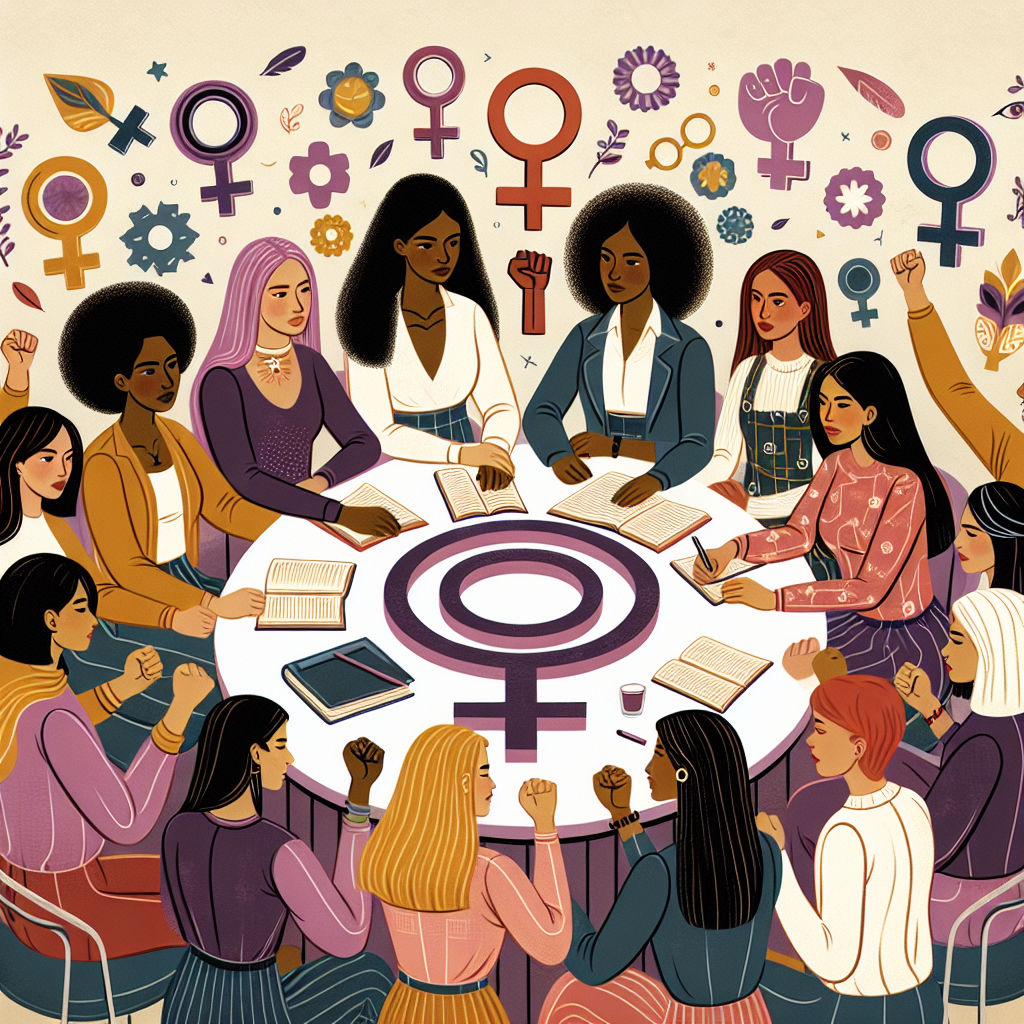
The Future of Feminism: New Generations, New Perspectives, New Challenges is not just a phrase; it’s a call to action. With each passing decade, feminism has expanded its reach and complexity, reflecting the nuances of diverse cultures, lifestyles, and identities. In a world where traditional norms are being radically challenged, the next wave of feminists is arriving with fresh perspectives. These generations are armed with digital tools, global networks, and an understanding that intersectionality is not just a buzzword, but a necessity for genuine advocacy. This article will dive into the promising future of feminism, discussing its new generations, fresh perspectives, and the challenges they must navigate ahead.
The Evolution of Feminism
The Historical Context
To truly grasp The Future of Feminism: New Generations, New Perspectives, New Challenges, we must first understand the historical context. Feminism has undergone distinct waves:
- First Wave: Primarily focused on legal issues like suffrage (19th and early 20th centuries).
- Second Wave: In the 1960s and 1970s, this wave tackled broader societal issues like gender roles and reproductive rights.
- Third Wave: Emerged in the 1990s, emphasizing individuality and intersectionality, recognizing that women’s experiences are shaped by race, class, and sexual orientation.
Entering the Fourth Wave
We are now in what many refer to as the fourth wave of feminism, characterized by:
- Digital Activism: Platforms like Twitter and Instagram amplify voices and mobilize action.
- Intersectionality: This is the understanding that one cannot disentangle gender from other identity factors like race and class.
- Global Perspectives: Feminism is becoming a global movement, with activists around the world sharing insights and strategies.
The New Generations of Feminists
Millennial and Gen Z Feminists
Millennial and Gen Z feminists are leading the charge in redefining what feminism means. Armed with technology and global connectivity, they are challenging traditional narratives and bringing forth new ideas.
Case Study: #MeToo Movement
The #MeToo movement is a prime example of how young feminists use social media to raise awareness about sexual harassment and assault. Originating in 2006 but gaining traction in 2017, this movement has transcended generations. It highlights the power of collective storytelling and advocacy in bringing attention to systemic issues.
Analysis
The #MeToo movement has not only exposed pervasive issues but also encouraged intergenerational conversations about feminism. It aligns perfectly with the ethos of The Future of Feminism: New Generations, New Perspectives, New Challenges by emphasizing shared experiences and collective action.
Global Feminism
The new generation of feminists is not confined to Western narratives. Activism in non-Western contexts is vital in painting a holistic picture of feminism.
Case Study: Nigerian Feminism
In Nigeria, feminists are tackling issues like child marriage, violence, and gender inequality through grassroots organizing and social media campaigns.
Analysis
Nigerian feminists are influencing the global dialogue around feminism, showcasing how local challenges can inform and reshape the feminist discourse globally. This resonates with The Future of Feminism: New Generations, New Perspectives, New Challenges by demonstrating that feminism is not monolithic but multifaceted.
New Perspectives on Feminism
Intersectionality Revisited
The concept of intersectionality, coined by Kimberlé Crenshaw, emphasizes that various forms of social stratification do not exist independently; rather, they interact to create overlapping systems of privilege and discrimination.
Current Examples
Today’s feminists are using intersectionality to address issues faced by marginalized communities. Discussions about trans rights, racial justice, and economic inequality have become integral to feminist advocacy.
The Role of Men in Feminism
Historically, feminism has focused predominantly on women’s issues. However, as new generations emerge, there’s an understanding that men must play a supportive role in achieving gender equality.
Case Study: The White Ribbon Campaign
This initiative engages men and boys in the fight against violence toward women, promoting healthy masculinity and active allyship.
Analysis
By involving men, this campaign broadens the reach of feminist ideals and demonstrates that the responsibility for combating sexism lies with everyone, not just women. This perspective highlights the collaborative effort required in The Future of Feminism: New Generations, New Perspectives, New Challenges.
New Challenges Ahead
Digital Activism vs. Reality
While digital activism is a powerful tool, it also poses challenges such as misinformation, online harassment, and the ‘slacktivism’ phenomenon, where online support does not translate into real-world action.
Navigating Online Spaces
New feminists must learn to leverage digital tools while remaining critical of their limitations. This is crucial for ensuring that movements maintain momentum beyond social media.
Global Inequality
Despite advancements, global inequalities persist, impacting women’s rights and opportunities worldwide. Economic instability, war, and climate change disproportionately affect women and marginalized groups.
Case Study: Climate Feminism
Movements like Fridays for Future highlight the link between environmental issues and gender, advocating for a sustainable future that considers the needs of women and marginalized communities.
Analysis
Climate feminism emphasizes that The Future of Feminism: New Generations, New Perspectives, New Challenges must include environmental sustainability as a core issue. Women often bear the brunt of ecological crises; thus, their voices are crucial in environmental discussions.
The Role of Education in Shaping Feminism
Expanding Feminist Curriculum
Educational institutions play a critical role in shaping feminist thought. Universities and schools are integrating feminist studies into their curricula, providing students with tools to analyze gender dynamics critically.
Case Study: Gender Studies Programs
Programs in Gender Studies are expanding globally, promoting diverse voices and experiences. These academic spaces encourage discussions on power dynamics, privilege, and the importance of intersectionality.
Analysis
Education empowers new generations to understand and navigate the complexities of gender issues. This academic foundation is crucial for fostering informed activism in The Future of Feminism: New Generations, New Perspectives, New Challenges.
Conclusion
The Future of Feminism: New Generations, New Perspectives, New Challenges is a vibrant tapestry woven from diverse threads of experience, belief, and aspiration. The evolution of feminism demonstrates its resilience and adaptability. As we embrace this new era, it is essential to acknowledge the importance of solidarity among all genders, cultures, and identities.
Key Takeaways
- Leverage Technology Responsibly: New feminists should use digital platforms for awareness, while also being wary of their limitations.
- Champion Intersectionality: Understanding the interconnectedness of social justice issues enriches the feminist discourse.
- Invite and Engage Allies: Men and advocates from diverse backgrounds play crucial roles in the feminist movement.
- Focus on Education: Building a robust feminist curriculum in educational settings equips future generations with critical thinking skills necessary for activism.
- Address Global Challenges: Feminism must take into account the global context, acknowledging varying experiences and struggles.
As we move forward, the call to action is clear: become engaged, remain informed, and continue to advocate for a world where gender equality is not just an aspiration, but a reality.
FAQs
1. What is the fourth wave of feminism?
The fourth wave of feminism is characterized by digital activism, an emphasis on intersectionality, and a global perspective. It reflects the challenges and contributions of new generations to the feminist movement.
2. How can men support feminism?
Men can support feminism by being active allies—challenging sexist behaviors, engaging in conversations about gender equality, and participating in campaigns that promote women’s rights.
3. Why is intersectionality important?
Intersectionality is crucial as it provides a more comprehensive understanding of how different systems of oppression interact, allowing feminists to advocate for all women, particularly those who face multiple forms of discrimination.
4. What role does education play in feminism today?
Education is key in shaping feminist thought among new generations, providing tools and frameworks that empower young people to critically analyze gender issues.
5. How can activists ensure sustainable change?
Activists can ensure sustainable change by combining digital advocacy with grassroots organizing, fostering intergenerational dialogues, and addressing global inequalities to create a comprehensive framework for gender equality.
By acknowledging the evolution of feminist ideals and the vibrant community driving them forward, we can collectively step into a brighter, more equitable future.


The PsyForU Editorial Collective is the research and editorial team of PsyForU Research International. The collective prepares educational, psychological, mental-health-awareness, inclusion, neurodiversity, and research-methodology content for students, parents, educators, researchers, and general readers. PsyForU content is intended for awareness, education, and capacity-building and should not be treated as clinical diagnosis, therapy, medical advice, legal advice, or emergency mental-health support.