


Introduction
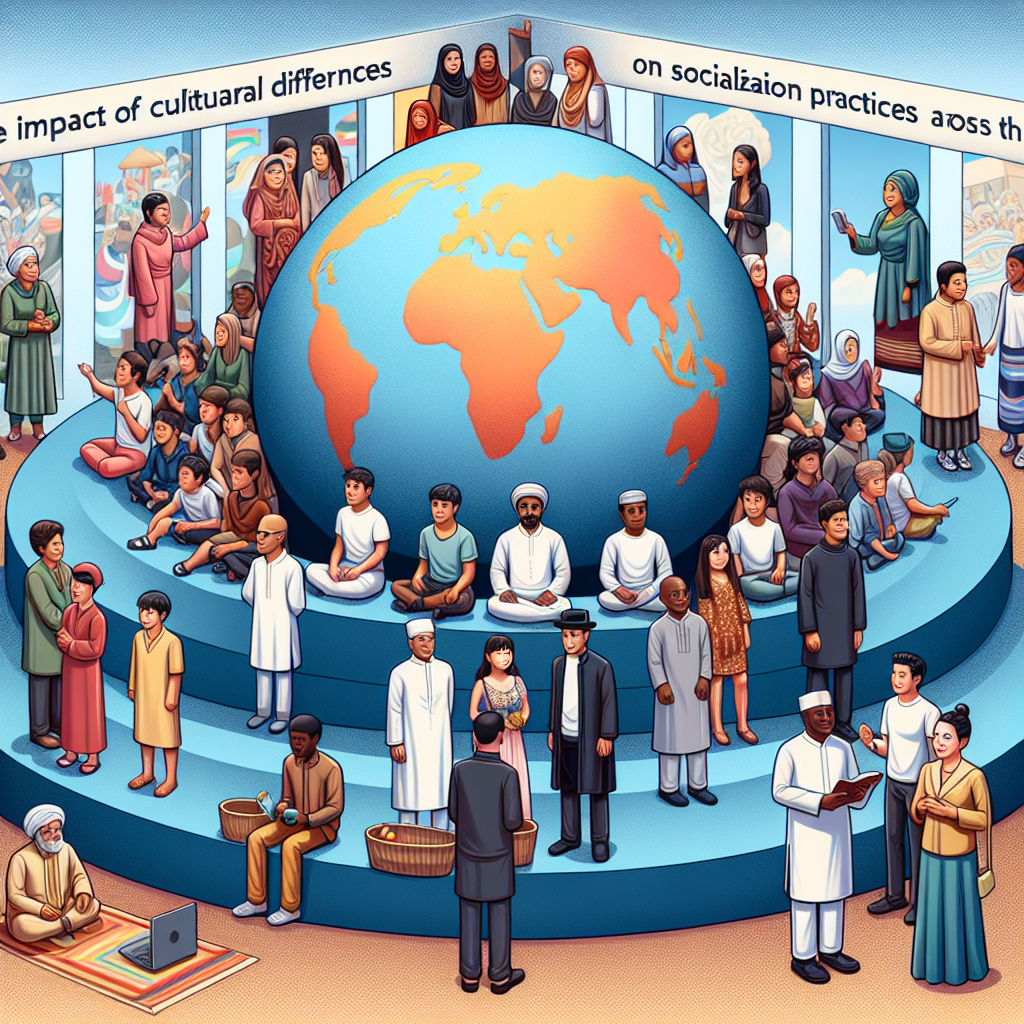
In our rapidly globalizing world, understanding The Impact of Cultural Differences on Socialization Practices Across the Globe has never been more essential. Socialization—the process through which individuals learn and internalize the norms, values, and practices of their society—varies widely from one culture to another. This variation shapes not only individual identity but also how societies function, interact, and evolve. As we explore these differences, we not only gain insights into various cultures but also become more adept at navigating an increasingly interconnected world.
Understanding Socialization: A Global Perspective
What Is Socialization?
Socialization is the lifelong process through which individuals acquire the habits, beliefs, and skills necessary to function in society. While many aspects of socialization are universal, cultural differences lead to variations that significantly shape individual experiences and social outcomes.
The Role of Culture in Socialization
Culture encompasses the beliefs, values, norms, and practices shared by a group of people. These cultural components play a crucial role in shaping socialization practices. Understanding how culture influences socialization can provide valuable insights into the behaviors, expectations, and interactions of individuals within different societies.
Case Studies in Socialization Practices
1. Individualism vs. Collectivism
One of the primary distinctions in socialization practices is between individualistic and collectivist cultures.
Individualistic Cultures
In individualistic societies like the United States, socialization practices often emphasize personal achievement and independence. Children are encouraged to express their opinions and develop a strong sense of self. This can lead to higher self-esteem but may also result in challenges related to teamwork and cooperation in adult life.
Collectivist Cultures
Conversely, collectivist cultures such as those in Japan and many African nations emphasize group harmony and community interdependence. Children are socialized to prioritize the group’s well-being over individual desires, which fosters strong community ties but can limit personal expression.
Table 1: Key Differences in Socialization
| Aspect | Individualistic Cultures | Collectivist Cultures |
|---|---|---|
| Focus | Individual achievement | Group harmony |
| Child-rearing | Encourages independence | Promotes interdependence |
| Conflict Resolution | Open expression | Avoidance |
2. The Impact of Gender Socialization
Gender roles are another area where cultural differences profoundly impact socialization.
Case Study: Scandinavian Countries
In countries like Sweden and Norway, there exists a strong emphasis on gender equality. Boys and girls are often treated equally from a young age, participating in the same activities and encouraged to pursue varied interests. This leads to greater gender parity in adulthood.
Case Study: Traditional Societies
In contrast, in more traditional societies such as Afghanistan, gender roles are often strongly defined. Boys may receive more education and freedom, while girls often face restrictions. The implications of these differing socialization practices are evident in gender dynamics and opportunities across cultures.
Chart 1: Gender Role Expectations Across Cultures
- Scandinavian Countries: High Gender Equality
- Middle Eastern Countries: Defined Gender Roles
The Role of Family and Community in Socialization
Family Structures
Family dynamics greatly influence socialization practices.
Nuclear vs. Extended Families
In nuclear families (common in Western cultures), the socialization of children tends to be more centered on parental guidance and individual autonomy. In contrast, extended families, prevalent in many Asian and African cultures, often include grandparents, aunts, and uncles, acting as a cooperative group in raising children. This communal approach can enrich the socialization experience, providing multiple perspectives and support systems.
Community Involvement
Community plays a significant role in socialization across different cultures. For instance, in many Indigenous cultures, the entire community is involved in the upbringing of children, teaching traditional practices and values through storytelling, rituals, and shared responsibilities.
Technology’s Influence on Socialization Practices
Globalization and Social Media
The advent of technology has transformed socialization practices, bridging cultural gaps and introducing new norms. The impact of cultural differences on socialization practices across the globe is evident as social media platforms enable individuals to connect across vast distances, sharing their cultural norms and values in unprecedented ways.
Case Study: Social Media in Youth Socialization
A study in several countries found that teenagers increasingly rely on social media as a primary means of socialization. In America, platforms like Instagram encourage self-promotion and individual expression, while in China, social media usage often reinforces adherence to collective ideals and governmental values.
Table 2: Social Media’s Role in Socialization
| Platform | Cultural Context | Socialization Impact |
|---|---|---|
| Individualistic cultures | Fosters self-expression | |
| Collectivist contexts | Reinforces group values |
The Challenges of Cultural Differences
Misunderstandings in Multicultural Settings
Understanding The Impact of Cultural Differences on Socialization Practices Across the Globe is crucial in our multicultural societies. Misunderstandings can arise when individuals from different cultural backgrounds interact. For example, in a workplace setting, assertiveness may be valued in individualistic cultures, while politeness and indirect communication might be favored in collectivist cultures. Recognizing these differences can facilitate smoother interactions and reduce conflicts.
The Process of Acculturation
As people move across borders, they often undergo acculturation—the process of adopting the cultural traits of another group. This can lead to a blending of socialization practices but may also result in cultural dissonance, where individuals struggle to reconcile their original cultural practices with those of their new environment.
The Benefits of Cultural Acumen
Enhancing Communication and Understanding
By acknowledging the impact of cultural differences on socialization practices, individuals can enhance their communication skills and understanding of others. This cultural acumen is invaluable in today’s globally interconnected workplace and community, fostering empathy and collaboration.
Building Resilience and Adaptability
Cultural diversity can provide individuals with multiple perspectives, enhancing their resilience and adaptability. In instances of cross-cultural interaction, individuals can learn to navigate complexities, thus becoming more effective in both personal and professional spheres.
Conclusion
Understanding The Impact of Cultural Differences on Socialization Practices Across the Globe is not merely an academic exercise; it has real-world implications that can transform individual lives and entire communities. As the world continues to expand and intertwine, those who grasp these nuances will be better equipped to bridge cultural divides, foster meaningful connections, and contribute positively to a more inclusive society. The exploration of cultural differences is not just a journey of understanding others but a path to profound self-discovery.
FAQs
1. What is the primary influence of culture on socialization?
Culture shapes the norms, values, and expectations of behavior that individuals learn as they grow up, influencing how they interact and relate to others in society.
2. How do individualistic and collectivist cultures differ in their socialization practices?
Individualistic cultures focus on personal achievement and independence, while collectivist cultures prioritize group harmony and community goals.
3. Why is understanding cultural differences essential in today’s world?
Understanding cultural differences fosters empathy, effective communication, and cooperation, especially in multicultural settings such as workplaces and schools.
4. What role does technology play in shaping socialization practices?
Technology, especially social media, can bridge cultural gaps, allowing individuals to share and experience diverse cultural norms and practices.
5. How can individuals enhance their cultural competence?
Engaging in cross-cultural experiences, educating themselves about different cultures, and practicing empathy can enhance individual cultural competence, benefiting personal and professional interactions.
By delving into The Impact of Cultural Differences on Socialization Practices Across the Globe, we embark on a journey that enriches our understanding of humanity, emphasizes our shared connections, and celebrates the rich tapestry of diverse cultures that make our world vibrant and fascinating.


The PsyForU Editorial Collective is the research and editorial team of PsyForU Research International. The collective prepares educational, psychological, mental-health-awareness, inclusion, neurodiversity, and research-methodology content for students, parents, educators, researchers, and general readers. PsyForU content is intended for awareness, education, and capacity-building and should not be treated as clinical diagnosis, therapy, medical advice, legal advice, or emergency mental-health support.