The Intersection of Language, Culture, and Learning Disabilities: A Closer Look at Essential Insights
Introduction
In today’s increasingly interconnected world, understanding the nuanced relationship between language, culture, and learning disabilities is not just an academic pursuit—it’s vital for educators, parents, and policymakers alike. As we delve into The Intersection of Language, Culture, and Learning Disabilities: A Closer Look, we uncover the profound implications these elements have on educational practices and the lives of individuals facing learning challenges.
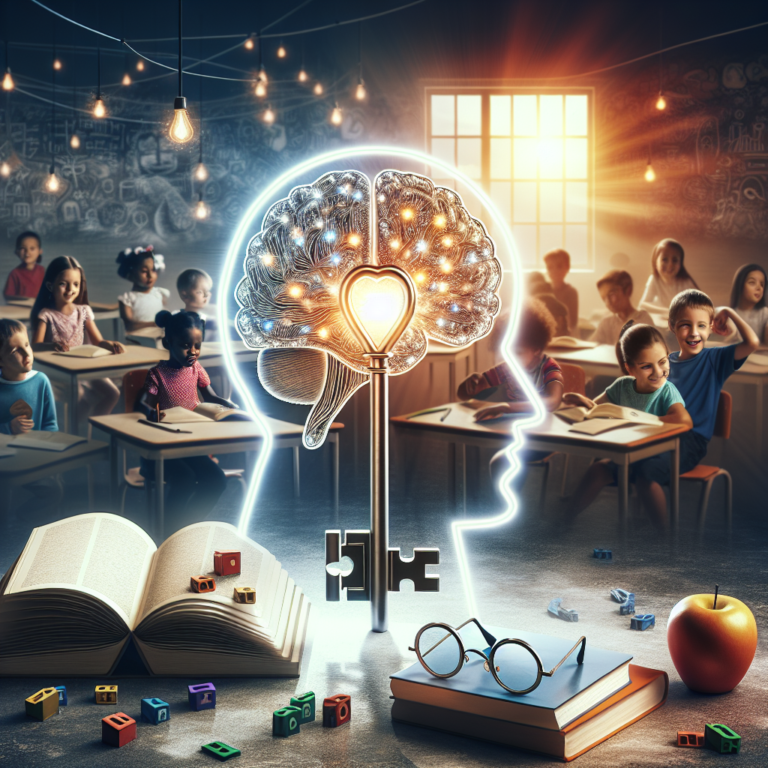
Imagine a child navigating the complexities of a new language while simultaneously grappling with a learning disability. This scenario is far too common in multicultural classrooms, raising pressing questions about equity, access, and individualized support. How can we, as a society, create inclusive environments that foster the success of every learner? Join us on this enlightening journey as we explore these critical issues, supported by real-world examples and actionable insights.
Understanding Language and Culture
Defining Language and Culture
Language serves as a vehicle for communication, allowing individuals to share ideas, emotions, and experiences. It’s not just about words; it’s also about the cultural context that shapes how we generate meaning. Culture encompasses values, beliefs, traditions, and social practices shared by a group. At The Intersection of Language, Culture, and Learning Disabilities: A Closer Look, we recognize that both language and culture can significantly influence the learning experience.
The Role of Language in Education
Language proficiency can dictate a student’s academic success. Research indicates that language barriers can hinder the development of literacy skills, affecting overall educational attainment. In classrooms where instruction is delivered in a language unfamiliar to students, the potential for learning decreases considerably.
Table 1: Language Proficiency and Academic Performance
| Language Proficiency | Likely Academic Outcome |
|---|---|
| High | Strong performance in subjects |
| Moderate | Average performance; struggles in complex subjects |
| Low | Significant barriers to learning; poor performance |
Cultural Influences on Learning
Culture shapes not only how students communicate but also how they perceive learning itself. For instance, collectivist cultures may emphasize group learning over individual competition, while individualistic cultures may celebrate personal achievement. Understanding these dynamics is essential for tailoring educational experiences that resonate with diverse learners.
Learning Disabilities: Definitions and Challenges
What are Learning Disabilities?
Learning disabilities (LD) refer to a wide range of difficulties that affect the acquisition of knowledge and skills. These can include challenges related to reading, writing, mathematics, and even social interaction. It’s crucial to note that learning disabilities are distinct from intelligence; individuals with LD often possess average or above-average intelligence.
Cultural Variations in Identifying Learning Disabilities
Cultural perceptions of learning disabilities play a critical role in identification and support. In some cultures, learning disabilities may be stigmatized, leading to underreporting and underdiagnosis. Conversely, certain communities might overly pathologize normal developmental variations, impacting how children are regarded within educational systems.
Case Study 1: The Impact of Cultural Perception on Diagnosing Learning Disabilities
In a U.S. school district with a significant Latinx population, educators noticed a high number of students receiving special education services classified as having English Language Learning (ELL) needs rather than acknowledging underlying learning disabilities. Support programs were restructured to include cultural sensitivity training and more holistic evaluations, resulting in improved outcomes for Latino students.
Language and Learning Disabilities
Language can compound the challenges faced by students with learning disabilities. For instance, dyslexia, a common learning disability, can be exacerbated when a child is also navigating a second language. A child who has dyslexia in their first language might experience heightened difficulties when learning to read and write in a new language.
Table 2: Language Challenges Faced by Students with Learning Disabilities
| Learning Disability | Language Challenges |
|---|---|
| Dyslexia | Difficulty in decoding and phonemic awareness |
| Dyscalculia | Challenges with number-related vocabulary |
| Dysgraphia | Struggles with written expression in any language |
Bridging the Gap: Strategies for Inclusiveness
Culturally Responsive Teaching
Culturally responsive teaching (CRT) acknowledges and harnesses the cultural backgrounds of students to create an inclusive learning environment. By integrating students’ cultural references into the curriculum, educators can foster a sense of belonging and engagement that enhances learning.
Case Study 2: Implementation of Culturally Responsive Strategies
In a diverse New York City high school, teachers devised lesson plans that included texts and materials reflecting the students’ cultural backgrounds. This approach not only increased engagement but also improved academic performance among students with learning disabilities.
Supporting Bilingual Learners with Learning Disabilities
For bilingual students, it’s essential to recognize the interplay between their two languages. Research shows that supporting a child in both their first language and their second can lead to better cognitive and academic outcomes.
Case Study 3: Bilingual Education Impact on Learning Disabilities
In a bilingual school in Texas, educators implemented dual-language instruction for students identified with learning disabilities. Findings revealed that students thrived when given instruction in both English and Spanish, showing marked improvements in literacy skills.
The Role of Educators and Policymakers
Training Educators in Cultural Competency
Professional development focusing on cultural competency is crucial for educators working with a diverse student body. It equips them to better recognize and respond to the unique needs of students facing learning disabilities while navigating complex cultural frameworks.
Policy Implications and Supports
Policymakers must advocate for inclusive educational practices that account for language and cultural diversity. Policies should mandate comprehensive support systems for students with learning disabilities, ensuring access to bilingual education programs and culturally relevant resources.
Conclusion: Empowering All Learners
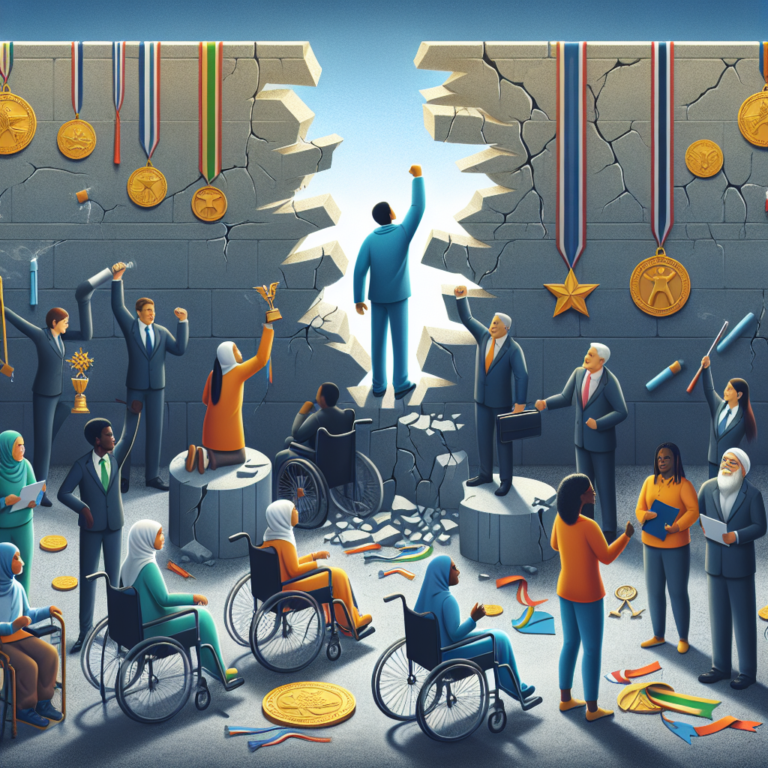
Understanding The Intersection of Language, Culture, and Learning Disabilities: A Closer Look is foundational to improving educational outcomes for all students. By recognizing and embracing the diversity of language and culture, we can create more inclusive environments where individuals with learning disabilities can thrive.
As educators, parents, and policymakers, we must commit to tailoring our approaches to foster understanding, support, and success for every learner. This commitment will not only enrich our educational system but also enrich our society, creating a future where everyone, regardless of background or ability, can achieve their fullest potential.
FAQs
1. What are learning disabilities?
Learning disabilities are neurological disorders that affect the brain’s ability to process information. They can impact skills like reading, writing, math, and even social interactions.
2. How do language and culture influence learning disabilities?
Language barriers can complicate the identification and support of learning disabilities, while cultural perceptions may impact how learning challenges are viewed and addressed.
3. What is culturally responsive teaching?
Culturally responsive teaching involves integrating students’ cultural backgrounds into instructional practices to create a more inclusive and engaging learning environment.
4. Can bilingual education help students with learning disabilities?
Yes, research indicates that supporting students in both their first and second languages can lead to better academic and cognitive outcomes for bilingual learners with learning disabilities.
5. What role should educators play in supporting diverse learners?
Educators should be trained in cultural competency and adopt inclusive teaching practices to effectively support the diverse needs of students, including those with learning disabilities.
6. How can policymakers improve educational access for students with learning disabilities?
Policymakers should advocate for inclusive practices, funding for bilingual education programs, and resources that support culturally relevant instruction to benefit students with learning disabilities.
By diving deep into The Intersection of Language, Culture, and Learning Disabilities: A Closer Look, we hope to foster greater understanding and action that empowers every student to succeed. Together, we can create a more equitable and effective educational landscape that honors the diverse tapestry of our society.
About the Author