


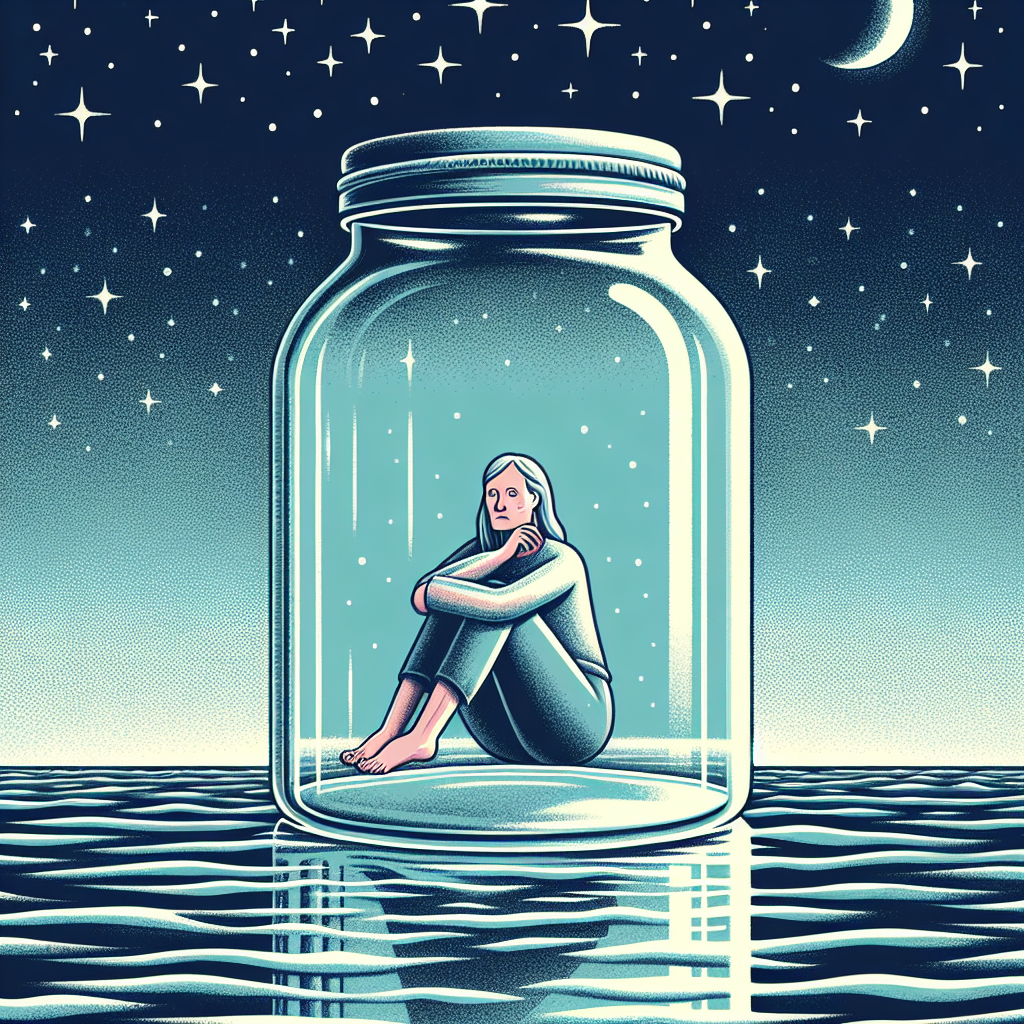
The Isolation Paradox: How Long-Term Solitude Affects Our Minds — The Ultimate Exploration
Introduction
In an increasingly interconnected world, the idea of solitude often evokes conflicting feelings. While some see isolation as a sanctuary for creativity and self-discovery, others associate it with loneliness and despair. This paradox invites a critical examination: The Isolation Paradox: How Long-Term Solitude Affects Our Minds challenges us to understand the intricate relationship between solitude and mental health. In this article, we will delve into the impacts of prolonged isolation on our cognitive processes, emotional well-being, and social relationships, illuminating how this dual-natured phenomenon shapes the human experience.
Understanding the Isolation Paradox
The Nature of Solitude
Before dissecting the paradox, we must first define what solitude entails. Solitude is not merely the absence of others; it is a state of being alone with oneself. It allows for introspection, creativity, and a deeper understanding of one’s emotions. In contrast, loneliness refers to the feeling of being isolated despite being surrounded by others.
The terms are often conflated, but The Isolation Paradox: How Long-Term Solitude Affects Our Minds reveals that one can exist without the detrimental impacts of loneliness. Here we’ll explore various dimensions of solitude.
The Benefits of Solitude
-
Enhanced Creativity: Numerous studies suggest that solitude can catalyze creativity. When we step away from social obligations and distractions, our minds have space to wander and explore new ideas. For example, renowned author Virginia Woolf often retreated into solitude to write her influential works. The peace allowed her to focus deeply and produce timeless literature.
-
Improved Self-Awareness: Solitude can foster self-reflection. A study published in the Journal of Psychology found that individuals who spend time alone are more likely to engage in self-reflection, resulting in better self-understanding and emotional intelligence.
- Mental Clarity: Silence eliminates external noise, leading to clearer thoughts. How often do we find ourselves overwhelmed by information? Solitude allows us to declutter our minds, prioritize what’s essential, and make more informed decisions.
The Drawbacks of Loneliness
Conversely, The Isolation Paradox: How Long-Term Solitude Affects Our Minds also reveals the perils of excessive solitude. Extended periods of isolation can lead to detrimental outcomes:
-
Mental Health Declines: Long-term loneliness is associated with serious mental health issues such as depression and anxiety. Research has shown that isolation affects the brain’s neurochemistry, leading to heightened stress levels and emotional instability.
-
Cognitive Decline: A 2019 study published in Psychological Science highlights that prolonged solitude may lead to a decline in cognitive functions. This decline could manifest in memory loss or difficulties in problem-solving tasks.
- Impaired Social Skills: Individuals who are isolated for long periods may struggle with social interactions upon re-engagement. A case study of individuals recovering from long-term imprisonment showed significant challenges in readjusting to social norms, highlighting how crucial social interactions are for maintaining healthy communication skills.
Case Studies
Case Study 1: Astronauts in Isolation
NASA conducted an extensive study involving long-term space missions aimed at understanding the effects of isolation on astronauts. Over a period of 500 days, subjects showed various psychological responses ranging from creativity spikes during initial isolation to significant emotional distress as time wore on. This stark contrast illustrates both the benefits and drawbacks of solitude.
| Phase | Response |
|---|---|
| Initial Period | Increased creativity and problem-solving abilities |
| Mid-Period | Increased stress levels and emotional fatigue |
| End Period | Significant emotional distress and reentry challenges |
Analysis: This case emphasizes the need for balanced solitude. While initial phases yield positive effects, strategies are necessary to combat potential negative emotional responses that emerge later.
Case Study 2: Writers Retreats
Many authors—such as Ernest Hemingway—have advocated for retreats to enhance their craft. A study analyzing various writers who attended these retreats found that extended solitude often produced breakthrough works.
"Most pages are written by men and women who are solitary," noted a participant, underscoring the benefits of isolation for creative thought.
| Aspect | Outcome |
|---|---|
| Time in Solitude | 3-6 months |
| Creative Output | Increased productivity and finished manuscripts |
Analysis: Writers’ retreats serve as structured opportunities for solitude that mitigate loneliness, allowing individuals to harness the benefits without the accompanying drawbacks.
Coping Mechanisms for Healthy Solitude
Fortunately, there are techniques one can employ to navigate The Isolation Paradox: How Long-Term Solitude Affects Our Minds effectively:
-
Structured Routine: Implementing daily routines can reduce the sense of aimlessness often associated with isolation. For instance, incorporating exercise or meditation can provide a framework to ensure healthy habits.
-
Mindful Reflection: Keeping a journal during periods of solitude promotes self-reflection and can help clarify thoughts. Acknowledging feelings can prevent negative spirals.
- Social Connections: Importantly, scheduling regular interactions, even if virtual, can transform solitude into a productive experience. Connecting with friends through video calls ensures that individuals derive the benefits of solitude while preserving essential social bonds.
The Role of Technology
In the current digital climate, technology serves as both a blessing and a curse. While modern digital communication allows for connection, it also provides avenues for increased isolation. Platforms like Zoom and social media can help mitigate the alienation associated with loneliness.
However, excessive engagement with these platforms can lead to superficial connections devoid of emotional depth. A balanced approach to technology is crucial in managing the isolation paradox effectively.
Conclusion
In conclusion, The Isolation Paradox: How Long-Term Solitude Affects Our Minds presents a nuanced view of solitude that straddles both beneficial and detrimental outcomes. Prolonged periods of solitude can foster creativity and self-awareness, yet extreme isolation can lead to loneliness, cognitive decline, and impaired social skills. The dichotomy illustrates our need to respect solitude while also acknowledging its risks.
Actionable Insights
- Embrace Time Alone: Use solitude as a tool for creativity and reflection.
- Establish Routines: Create structured daily activities that include both solitude and social interaction.
- Prioritize Mental Health: Monitor emotional responses during periods of solitude, and don’t hesitate to reach out for support.
Embracing the complexity of solitude rather than fleeing from it can empower individuals. By facing The Isolation Paradox: How Long-Term Solitude Affects Our Minds, we can transform the way we perceive solitude into a profound source of strength and growth.
FAQs
1. Is solitude the same as loneliness?
No. Solitude is the state of being alone by choice, while loneliness is the feeling of being alone regardless of physical presence.
2. How can I cope with feelings of loneliness during isolation?
Engage in structured activities like journaling, exercise, or scheduling virtual interactions with friends to combat feelings of loneliness.
3. Is long-term solitude harmful to everyone?
Not necessarily. While it can have negative effects, many people benefit from solitude; the key lies in balance and ensuring social connections.
4. How can I cultivate creativity during periods of solitude?
Set aside dedicated time for creative pursuits without distractions. Allow your mind to wander and explore ideas fully.
5. Are there any long-term psychological effects of prolonged isolation?
Yes, long-term isolation can lead to cognitive decline and increased mental health issues, emphasizing the importance of maintaining social connections.
Understanding The Isolation Paradox: How Long-Term Solitude Affects Our Minds encourages us to reconsider our relationship with solitude, transforming it into an agent for personal growth rather than a foe.

