


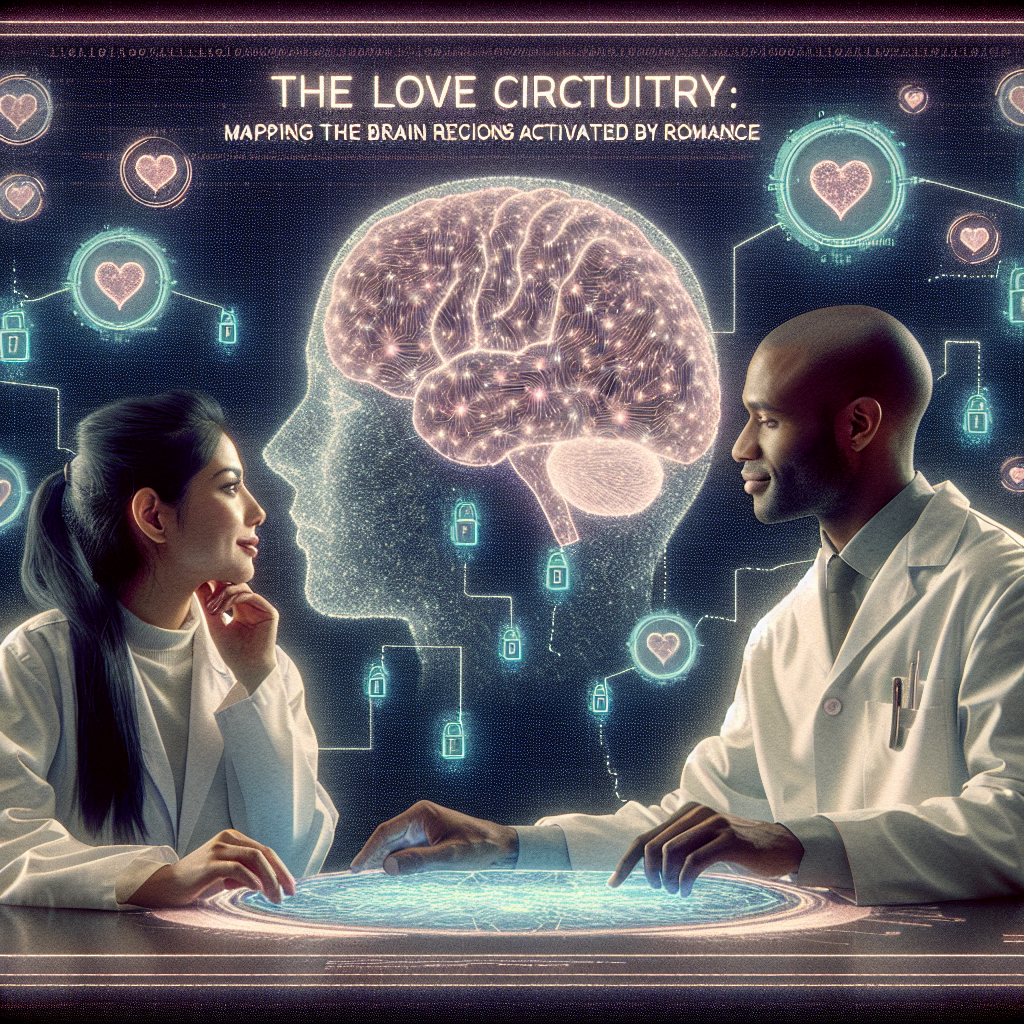
Introduction
Love is one of the most profound experiences of the human condition. It transcends cultures, languages, and even time itself. But what if love is more than just an emotion? What if it’s deeply etched into the circuitry of our brains? Welcome to the fascinating world of The Love Circuitry: Mapping the Brain Regions Activated by Romance. In this article, we’ll delve into the neuroscience behind romance, exploring the various brain regions that light up when we experience love, attraction, and desire.
Understanding the brain’s love circuitry not only illuminates the science behind our most cherished experiences but also offers profound insights into our relationships, mental health, and even personal fulfillment. Let’s embark on this illuminating journey together.
The Neuroscience of Love: An Overview
Before diving into specific brain regions, it’s essential to grasp the underlying neuroscience of romantic love. Neuroscientists have made significant strides in understanding how emotions manifest in the brain. Techniques like functional magnetic resonance imaging (fMRI) allow researchers to see which areas of the brain are activated during emotional experiences.
Key Components of Love
Love can generally be broken down into several components:
- Passionate Love: This is characterized by intense feelings of attraction and desire.
- Companionate Love: This reflects deep affection and trust, often found in long-term relationships.
- Attachment: This is crucial for lasting relationships and involves feelings of security and stability.
These components activate different areas of the brain, making romance a complex interplay of emotions and physiological responses.
The Love Circuitry: Key Brain Regions Activated by Romance
In exploring The Love Circuitry: Mapping the Brain Regions Activated by Romance, we will discuss several pivotal regions of the brain, each playing a distinct role in romantic experiences.
1. The Ventral Tegmental Area (VTA)
The VTA is often considered the brain’s pleasure center. When individuals fall in love, the VTA releases dopamine, a neurotransmitter associated with pleasure and reward.
Case Study: Brain Imaging of New Lovers
A study conducted by researchers at the University of California found that individuals who had recently fallen in love exhibited heightened activity in the VTA during fMRI scans. This increased activity correlates with feelings of euphoria and energy often associated with being in love.
Relevance: Understanding the role of the VTA can explain why romantic love can feel intoxicating and even addictive.
2. The Caudate Nucleus
The caudate nucleus plays a role in the reward system of the brain. When we see our romantic partner, the caudate nucleus may activate, signaling feelings of pleasure and motivation.
Case Study: Reward Systems in Long-Term Relationships
Research by Dr. Helen Fisher highlights how long-term couples show consistent activation in the caudate nucleus when they view images of their partners.
Relevance: The caudate’s involvement reveals why some couples maintain desire and passion over years of partnership.
3. The Anterior Cingulate Cortex (ACC)
The ACC is crucial for emotional regulation and decision-making. During romantic moments, this region helps process emotional experiences and navigate interpersonal connections.
Case Study: Love and Emotional Intelligence
Studies indicate that couples high in emotional intelligence show increased ACC activity, enabling them to manage conflicts and enhance relational satisfaction.
Relevance: This highlights the importance of emotional skills in sustaining healthy romantic relationships.
4. The Insula
The insula plays a role in emotional awareness and empathy. When we experience love, the insula processes emotions relevant to closeness and bonding.
Case Study: Empathy and Romantic Relationships
Research illustrates that when an individual views their partner’s images, their insula lights up, which correlates with feelings of empathy and connection.
Relevance: Understanding the insula’s function can help couples deepen emotional bonds and improve communication.
5. The Prefrontal Cortex (PFC)
The PFC is central to decision-making and self-control. In romantic contexts, it helps people weigh choices and establish long-term commitments.
Case Study: Commitment and Choice
A study published in the Journal of Personality and Social Psychology found that individuals contemplating long-term relationships exhibited activity in the PFC, suggesting a link between love and the ability to consider future consequences.
Relevance: This underscores the brain’s capacity to guide us towards healthier, more sustainable relationships.
Interactive Table: The Love Circuitry Breakdown
| Brain Region | Function | Role in Romance |
|---|---|---|
| Ventral Tegmental Area | Reward and pleasure | Releases dopamine during romantic attraction. |
| Caudate Nucleus | Motivation and reward | Activates pleasure upon seeing loved ones. |
| Anterior Cingulate Cortex | Emotional regulation | Processes emotional experiences and decisions. |
| Insula | Emotional awareness and empathy | Enhances emotional connections and bonding. |
| Prefrontal Cortex | Decision-making | Supports commitment and future planning. |
The Impact of Love on Mental Health
Positive Effects of Romantic Love
Research shows that romantic love can enhance our mental health. It increases feelings of happiness, reduces anxiety, and fosters resilience. The release of oxytocin, known as the "love hormone," during bonding experiences further strengthens emotional ties.
Case Study: Love Therapy
Therapists often leverage romantic relationships to promote healing in clients facing mental health challenges. A survey of participants in couples counseling noted significant improvements in overall well-being.
Relevance: The therapeutic potential of love highlights its profound impact on mental health and emotional stability.
Potential Challenges of Love
While romantic love can be incredibly fulfilling, it can also bring about challenges. Unresolved conflicts, jealousy, and miscommunication might activate stress-related areas, leading to anxiety or depression.
Case Study: The Downsides of Romance
A study on relationship distress found that individuals in tumultuous relationships reported higher levels of cortisol, a stress hormone. This further affects overall mental health and relationship satisfaction.
Relevance: Recognizing these challenges is essential for fostering healthier and more supportive relationships.
Transforming Love Through Neuroplasticity
Neuroplasticity refers to the brain’s ability to reorganize itself by forming new neural connections throughout life. Understanding The Love Circuitry: Mapping the Brain Regions Activated by Romance can empower individuals to shape their romantic experiences consciously.
How to Enhance Love and Connection
- Practice Empathy: Engage in active listening and show understanding of your partner’s feelings to stimulate the insula.
- Foster Emotional Intelligence: Develop skills that activate the ACC to navigate conflicts more effectively.
- Cherish Moments Together: Create shared experiences that activate the VTA, promoting pleasure and bonding.
- Communicate Openly: Regular discussions can strengthen connections and keep the PFC engaged in cultivating commitment.
Actionable Insights
- Mindfulness Practices: Incorporating mindfulness can enhance awareness of emotions, leading to healthier regulation.
- Quality Time: Prioritizing quality time feeds the brain’s reward systems, promoting love’s longevity.
Conclusion
In understanding The Love Circuitry: Mapping the Brain Regions Activated by Romance, we gain invaluable insights into our emotional lives. The interplay of various brain regions contributes to the rich tapestry of our romantic experiences, reminding us that love is not merely an abstract feeling but a neural phenomenon with profound implications for our relationships and personal well-being.
By applying this knowledge, we can foster deeper connections, navigate relationship challenges more effectively, and ultimately lead more fulfilling lives. Love is not just a feeling; it is a journey through our brain’s intricate circuitry—rich, complex, and undeniably beautiful.
FAQs
1. What are the primary brain regions involved in romantic love?
The primary brain regions activated during romantic love are the ventral tegmental area, caudate nucleus, anterior cingulate cortex, insula, and prefrontal cortex.
2. How does love affect mental health?
Love can enhance mental health by increasing happiness, reducing anxiety, and providing emotional support. However, it can also contribute to stress if faced with conflicts.
3. Can relationships influence our brain’s chemistry?
Yes! Romantic relationships can influence neurotransmitter release, particularly dopamine and oxytocin, which impact pleasure and bonding.
4. How do I foster a deeper emotional connection with my partner?
Practicing empathy, enhancing emotional intelligence, and engaging in quality time can significantly improve emotional bonds in a relationship.
5. What role does neuroplasticity play in love?
Neuroplasticity allows individuals to reshape their emotional experiences. By being mindful and engaged, individuals can strengthen loving relationships over time.
By providing a thorough exploration of The Love Circuitry: Mapping the Brain Regions Activated by Romance, we aim to empower readers with knowledge and practical insights to enrich their romantic lives. Remember, love is a journey—one that is as much about the mind as the heart.


The PsyForU Editorial Collective is the research and editorial team of PsyForU Research International. The collective prepares educational, psychological, mental-health-awareness, inclusion, neurodiversity, and research-methodology content for students, parents, educators, researchers, and general readers. PsyForU content is intended for awareness, education, and capacity-building and should not be treated as clinical diagnosis, therapy, medical advice, legal advice, or emergency mental-health support.