

Are you tired of tossing and turning at night, struggling to get the restful sleep you need?
Having a regular bedtime routine is key for your health and happiness. The American Heart Association says getting enough sleep is as important as eating right and exercising. It’s part of Life’s Essential 8™ for a healthy heart.
A good sleep routine helps your body’s clock stay in sync. This leads to better sleep quality and health. We’ll look into why sleep routines matter and share tips for making your own bedtime routine.
Key Takeaways
- Establishing a consistent sleep schedule is vital for overall health.
- A bedtime routine helps regulate the body’s internal clock.
- Healthy sleep habits contribute to improved cardiovascular health.
- A well-crafted sleep routine leads to better sleep quality.
- Personalized bedtime routines can be tailored to individual needs.
Why Your Body Craves a Sleep Routine
A sleep routine is not just a habit; it’s a necessity. It’s driven by our body’s circadian rhythms. These rhythms follow a 24-hour cycle and are influenced by light and darkness.
The Science of Circadian Rhythms
The human body has an internal clock. It’s regulated by a complex system that responds to light. This circadian system controls our sleep-wake cycle.
How Light Exposure Regulates Your Internal Clock
Light in the morning signals the start of a new day. Darkness at night triggers melatonin production. This hormone helps us sleep. Knowing this can help us create a sleep-friendly environment.
| Light Exposure | Effect on Circadian Rhythm | Impact on Sleep |
|---|---|---|
| Morning Light | Regulates internal clock | Improves wakefulness |
| Evening Darkness | Triggers melatonin production | Enhances sleep quality |
The 24-Hour Biological Cycle Explained
The circadian rhythm repeats every 24 hours. It’s influenced by light and temperature. It affects sleep, hormone secretion, and metabolism.


Understanding light’s effect on our internal clock is key. By syncing our sleep with our natural rhythms, we can sleep better. This leads to overall well-being.
The Real Cost of Poor Sleep
Poor sleep does more than just make us tired. It can harm our physical health in many ways. It’s key to focus on sleep hygiene and keep our sleep quality good.
Physical Health Consequences
Ignoring sleep can hurt our body a lot. It affects our immune system and our heart health.
Immune System Suppression
Sleep is vital for our immune system. Our body makes cytokines during sleep to fight infections. Not getting enough sleep weakens our immune system, making us get sick easier.
Metabolic and Cardiovascular Risks
Poor sleep can raise the risk of heart and metabolic diseases. This includes a higher chance of obesity, diabetes, and high blood pressure. Sleep problems can also lead to heart disease.
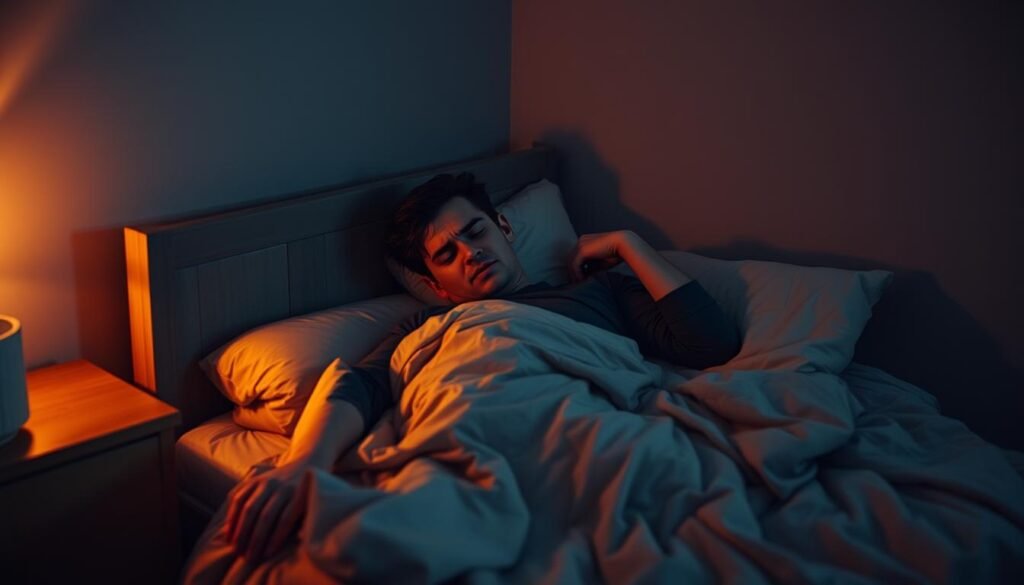
Knowing how poor sleep affects our health helps us take better care of it. Making sleep a priority is essential for our physical health and avoiding chronic diseases.
Assessing Your Current Sleep Patterns
Understanding your sleep patterns is key to a good sleep routine. By looking at your sleep schedule and habits, you can spot what needs work. This lets you make smart changes to improve your sleep quality.
Keeping a Sleep Journal
Keeping a sleep journal is a great way to track your sleep. It involves logging your sleep habits for a few weeks. This helps you understand your sleep behavior better.
What to Track and How Often
When you keep a sleep journal, it’s important to track the right info regularly. You should note:
- Bedtime and wake-up times
- Total hours slept
- Quality of sleep
- Any factors that might affect sleep, such as caffeine intake or stress levels
Write down this info every day, at the same time. This creates a routine and makes sure your data is reliable.
Whether to use digital or paper tracking depends on what you like. Digital apps are handy and remind you, but paper journals offer a hands-on feel. They’re easy to use without needing a device.
Both digital and paper methods work well for sleep tracking. Pick the one that suits your life and habits best.
By tracking your sleep habits and looking at the data, you learn a lot about your sleep. This knowledge is vital for improving your sleep routine. It leads to better rest and overall health.
Setting Realistic Sleep Goals
Starting a sleep routine means setting goals that fit your needs. Knowing how much sleep you need is key for good sleep.
Determining Your Optimal Sleep Duration
How much sleep you need changes with age and lifestyle. Your health, habits, and what you like also matter.
Age-Based Sleep Requirements
The National Sleep Foundation gives sleep guidelines for different ages. For example, adults need 7-9 hours, and older adults need 7-8 hours.
| Age Group | Recommended Sleep Duration |
|---|---|
| Newborns (0-3 months) | 14-17 hours |
| Adults | 7-9 hours |
| Older Adults (65+ years) | 7-8 hours |
Individual Variation in Sleep Needs
While age guidelines are useful, sleep needs can differ. Your lifestyle, like how active you are and how stressed you are, affects your sleep.
Figuring out your sleep needs means looking at both how much sleep you get and how well you sleep. Knowing this helps you set sleep goals that really work for you.
Designing Your Perfect Sleep Environment
A restful night’s sleep starts with a bedroom that’s calm and peaceful. A well-designed sleep space can help you fall asleep faster and sleep better. It’s all about creating a place where you can relax and recharge.
Temperature, Light, and Noise Control
To make your bedroom a sleep-conducive environment, focus on three key areas: temperature, light, and noise. Each one affects how well you sleep.
Optimal Bedroom Temperature Range
Keeping your bedroom at the right temperature is important. Experts say the best sleep temperature is between 60°F and 67°F (15.5°C and 19.4°C). This helps your body cool down naturally, leading to better sleep.
Blackout Solutions and Sound Management
Light and noise control are also essential. Blackout curtains or shades block out outside light, making your room dark and sleep-friendly. For noise, white noise machines or earplugs can help block out sounds that might wake you up.
By improving these areas, you can make your bedroom setup better for sleep and overall health. A sleep-friendly space is more than just cozy; it’s a place that supports your body’s natural sleep cycle.
Spending time to design your ideal sleep space can greatly improve your health and life quality. With a few simple changes, you can wake up feeling refreshed and ready to go.
Creating a Sustainable Sleep Routine
A good sleep routine starts with consistent evening habits and a cozy sleep space. By creating a personal evening routine, you tell your body it’s time to sleep. This can make your sleep better.
Step-by-Step Evening Wind-Down Process
Starting a wind-down routine is key for getting ready for sleep. It’s about moving from active to calm activities, getting your body ready for rest. Activities like reading, meditation, or a warm bath are great for this.
The 3-Hour Pre-Sleep Timeline
Start winding down about three hours before bed. This gives you enough time to relax after a busy day. Here’s a simple plan:
| Time | Activity |
|---|---|
| 3 hours before bed | Begin winding down (e.g., light stretching, reading) |
| 2 hours before bed | Reduce screen time and dim lights |
| 1 hour before bed | Engage in relaxing activities (e.g., meditation, warm bath) |
Customizing Your Routine to Your Lifestyle
Make your wind-down routine fit your life and likes. If you love reading, add it to your evening. If a warm bath relaxes you, include it in your sleep preparation.
By adjusting your routine to fit you, you can make a sustainable sleep routine. This will improve your sleep quality.
The 90-Minute Pre-Bed Ritual
In the hour and a half before bed, a “digital sunset” can greatly improve sleep. This time is key for moving from the day’s stimulation to sleep relaxation.
Digital Sunset: Managing Blue Light Exposure
Blue light from screens can lower melatonin levels, making it tough to sleep. It’s important to manage this to have a good bedtime routine.
Screen-Time Cutoffs and Alternatives
Setting a screen cutoff is a simple way to cut down on blue light. Many stop using screens at least an hour before bed. Instead, you can:
- Read a physical book
- Do gentle stretches or yoga
- Listen to calming music or nature sounds
Blue-Light Blocking Technology Options
If you can’t avoid screens, blue-light blocking tech is a good option. This includes:
| Technology | Description | Benefits |
|---|---|---|
| Blue-light blocking glasses | Glasses with lenses that filter out blue light | Reduces eye strain and helps keep melatonin levels steady |
| Screen filters | Filters that can be applied to screens to reduce blue light emission | Easy to apply and effective in reducing blue light exposure |
| Apps with blue-light filtering | Applications that adjust screen color temperature to reduce blue light | Convenient and adjustable based on the time of day |
By using these strategies in a 90-minute pre-bed ritual, sleep quality can improve a lot. It’s about finding a balance between screen time and sleep needs.
Nutrition Strategies for Better Sleep
When we eat can affect how well we sleep. Eating at the right times can help us sleep better. It’s important to match our eating habits with our sleep goals for a good night’s rest.
Timing Your Last Meal and Snacks
When we eat our last meal or snack of the day matters. Eating too close to bedtime can cause discomfort and indigestion. This can make it hard to sleep well.
The 3-Hour Dinner Rule
It’s best to eat dinner at least three hours before bed. This lets our body digest food properly. It also helps avoid acid reflux and discomfort at night. A study in the Journal of Clinical Gastroenterology showed that eating dinner too close to bedtime can hurt sleep quality.
Strategic Pre-Sleep Snacking
A big meal before bed is not good, but a small snack can help. Snacks with carbs and a bit of protein can help us relax. Try a banana with almond butter or a small bowl of oatmeal with milk.
| Snack Option | Components | Benefits |
|---|---|---|
| Banana with Almond Butter | Carbohydrates, Protein | Promotes serotonin production |
| Oatmeal with Milk | Complex Carbohydrates, Calcium | Aids in relaxation, promotes sleep |
By timing our meals and snacks right, we can sleep better. Adding these nutrition tips to our daily routine can improve our rest and health.
Physical Activity and Your Sleep Routine
Regular exercise can make your sleep better. But, when you exercise matters a lot. Adding physical activity to your day can really change how well you sleep. It’s key to know the best time and how hard to exercise to get the most sleep benefits.
Optimal Exercise Timing for Sleep Enhancement
When you exercise can affect your sleep. Some times are better than others for improving sleep quality. But, exercising at the wrong time can mess with your sleep.
Morning vs. Evening Workout Effects
Morning workouts can help you sleep better. They help your body’s internal clock. But, evening workouts might make it harder to fall asleep if done too late.
Intensity Considerations by Time of Day
The intensity of your workout also matters. Morning or early afternoon high-intensity workouts are best. They give you energy and help you sleep well without messing with bedtime.
| Exercise Timing | Intensity | Impact on Sleep |
|---|---|---|
| Morning | High | Improves sleep quality |
| Afternoon | Moderate | Can improve sleep |
| Evening | Low | May interfere with sleep onset if too close to bedtime |
Knowing the best time and intensity for exercise can improve your sleep. It’s important to try different things and see what works for you. This way, you can make your sleep schedule better.
Managing Stress and Mental Chatter
As the day ends, it’s key to manage stress and mental chatter to get ready for sleep. Thoughts and worries can keep us awake, making it hard to relax.
To fight this, using evening thought-dumping techniques is helpful. These methods help clear your mind and cut down on mental chatter. This makes for a calmer night’s sleep.
Evening Thought-Dumping Techniques
Journaling is a great way to handle stress and mental chatter. Writing down thoughts and feelings helps process experiences and clear the mind.
Journaling Methods for Mental Clearing
Here are some journaling techniques that work well in the evening:
- Stream-of-consciousness writing: Write thoughts as they come without stopping or worrying about grammar or spelling.
- Gratitude journaling: Focus on things you’re thankful for to shift your mind away from stress and anxiety.
To-Do List Strategies for Tomorrow
Creating a to-do list for the next day is another way to clear your mind. It helps:
- Get tasks out of your mind and onto paper, reducing mental clutter.
- Give you a sense of control and readiness for the next day.
As
“The mind is everything; what you think, you become.” – Buddha
This quote shows how important it is to manage mental chatter and stress.
A table below compares different stress management techniques:
| Technique | Effectiveness | Ease of Use |
|---|---|---|
| Journaling | High | Easy |
| Meditation | High | Moderate |
| To-Do Lists | Moderate | Easy |
Adding these techniques to your evening routine can help manage stress and mental chatter. This leads to better sleep quality.
Troubleshooting Common Sleep Routine Challenges
Setting up a sleep routine is just the start. It’s key to tackle common sleep problems to get quality rest. This part will look at ways to beat these hurdles and boost sleep quality.
When You Can’t Fall Asleep Despite Following Your Routine
Many people struggle to fall asleep, even with a good routine. Several things might be causing this, like the environment, stress, or health issues.
The 20-Minute Rule for Sleep Attempts
The 20-minute rule is a helpful trick for sleep delays. If you can’t sleep in 20 minutes, get up and do something relaxing. This makes your bed a sleep spot, not a wake spot.
Non-Screen Activities for Sleep Delays
Staying away from screens is vital when you’re having trouble sleeping. The blue light can mess with your melatonin. Try reading, listening to soft music, or doing gentle stretches instead. These can calm your mind and help you relax.
Using these tips can help you beat common sleep problems and get better sleep. Remember, solving sleep issues takes time and patience. Keep trying until you find what works best for you.
Technology: Friend or Foe to Your Sleep Routine?
Technology plays a big role in our sleep routines, both good and bad. It can mess up our sleep or help us get better rest. Devices and apps offer tools to track and improve sleep quality.
Helpful Sleep Apps and Devices
There are many sleep technology products out there. Wearable devices track sleep patterns, and apps guide relaxation. These tools give insights into sleep habits and help improve them.
Sleep Tracking Technology Pros and Cons
Sleep tracking devices monitor sleep duration, stages, and quality. They give detailed analytics. But, relying too much on them can cause orthosomnia. This is when people worry too much about perfect sleep.
White Noise and Meditation App Recommendations
Apps with white noise and meditation can help sleep. Calm and Headspace are popular for their guided meditations. They help create a relaxing sleep environment.
| Feature | Sleep Tracking Devices | White Noise Apps |
|---|---|---|
| Primary Function | Monitor sleep patterns | Create soothing soundscapes |
| Benefits | Detailed sleep analytics | Improved sleep environment |
Knowing the good and bad of sleep technology helps us use it wisely. It can track sleep patterns or create a calm atmosphere. Technology can be a great help in getting better sleep.
Building Accountability Into Your Sleep Routine
Creating a consistent sleep routine is more than just wanting to. It needs accountability. By tracking your progress, you can keep up with your sleep goals.
Tracking Progress Effectively
Tracking sleep quality and patterns is key. You can use various tools and methods to do this.
Sleep Quality Scoring Systems
Sleep quality scoring systems give a number for how well you sleep. They look at how long you sleep, how often you wake up, and how deep your sleep is.
Visual Progress Tracking Methods
Visual methods like graphs and charts show your progress clearly. They help spot patterns and trends in your sleep.
| Tracking Method | Description | Benefits |
|---|---|---|
| Sleep Diary | A daily log of sleep patterns | Provides detailed insights into sleep habits |
| Sleep Apps | Mobile applications that track sleep | Offers automated tracking and detailed analytics |
| Wearable Devices | Wearable technology that monitors sleep | Convenient and provides continuous data |
Using these tracking methods helps build accountability in your sleep routine. It makes reaching and keeping your sleep goals easier.
Conclusion: Your Sustainable Path to Better Sleep
Starting a consistent sleep routine is a journey that needs commitment and patience. It’s about understanding the value of sleep and learning to manage stress and thoughts. This way, we can create a sleep routine that boosts our health and wellbeing.
To make a sleep routine last, we must stick to it for the long haul. This means creating a sleep-friendly space and paying attention to things like temperature, light, and noise. By doing this, we can develop sleep patterns that improve our sleep quality.
As we keep moving forward, it’s key to track our progress and make changes when needed. This helps keep our sleep routine positive and lasting. With a good sleep routine, we can wake up feeling refreshed and ready for the day.
FAQ
What is the importance of establishing a consistent sleep routine?
How does light exposure affect the body’s internal clock?
What are the consequences of chronic sleep deprivation?
How can I assess my current sleep patterns?
How do I determine my optimal sleep duration?
What makes a sleep-friendly environment?
How can I manage blue light exposure before bedtime?
How does nutrition impact sleep quality?
Can exercise impact sleep quality?
How can I manage stress and mental chatter before bedtime?
What are some common sleep routine challenges and how can I overcome them?
Can sleep technology help improve my sleep routine?
How can I build accountability into my sleep routine?
What is the key to creating a sustainable sleep routine?

