


Introduction
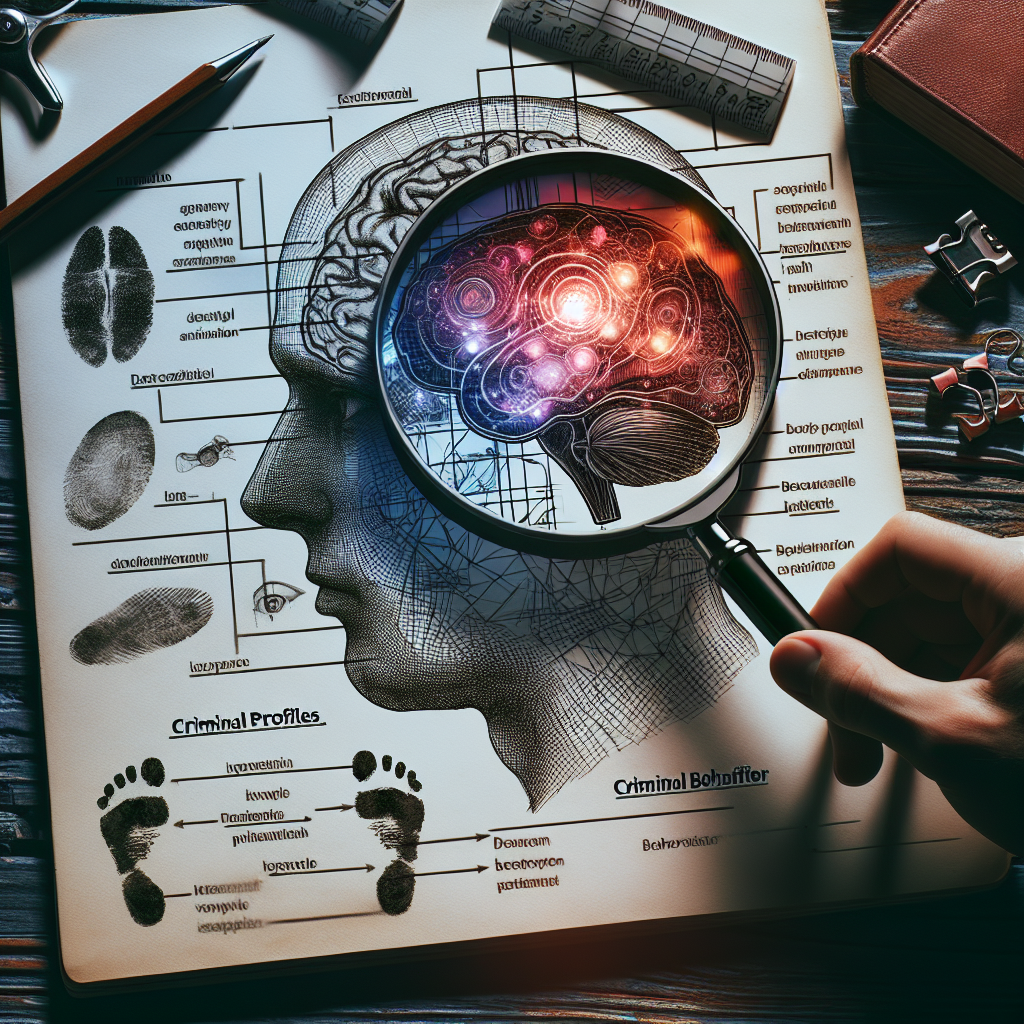
In a world where crime often dominates headlines, understanding the underlying psychology of criminal behavior has never been more critical. The intricacies of a crime scene are not just about the physical evidence left behind; they are a reflection of the mind of the perpetrator. The Psychology of a Crime Scene: Understanding Criminal Behavior Through Analysis delves into the intricate dance between crime and psychology, offering essential insights for law enforcement, psychologists, and even the general public.
Picture this: a crime scene is cordoned off, evidence markers dotting the ground, and investigators meticulously collecting data. Yet, beneath the surface lies a complex narrative shaped by fear, ambition, desperation, or rage. By exploring the psychology involved, we can begin to unravel these narratives and gain a clearer understanding of what drives individuals to commit heinous acts.
Understanding Criminal Behavior
The Foundations of Criminal Psychology
Criminal psychology blends psychology, criminology, sociology, and law to examine why individuals engage in criminal acts. Here, the focus shifts to the thought processes, motivations, and emotional states of offenders. Understanding these factors is paramount in The Psychology of a Crime Scene: Understanding Criminal Behavior Through Analysis.
Case Study: The Unabomber (Ted Kaczynski)
Ted Kaczynski, more infamously known as the Unabomber, offers a chilling insight into the mind of a domestic terrorist. Kaczynski demonstrated how antisocial behavior could stem from complex psychological issues, including a distorted view of society and technology.
The Role of Environmental Factors
Crime doesn’t happen in a vacuum. Environmental and situational factors significantly influence criminal behavior. The "broken windows theory," for instance, posits that neglect in an environment can lead to an increase in crime.
Table: Environmental Factors Influencing Crime
| Factor | Description |
|---|---|
| Socioeconomic Status | Lower income can correlate with higher crime rates. |
| Community Cohesion | Strong community ties often deter criminal behavior. |
| Urban vs. Rural | Urban areas typically have higher crime rates than rural regions. |
Psychological Profiling
Psychological profiling is a crucial tool for law enforcement. By analyzing patterns of behavior, investigators can create a psychological profile of the offender. This includes looking at personality traits, behavioral patterns, and potential motives.
Case Study: The Green River Killer (Gary Ridgway)
Gary Ridgway was a notorious serial killer whose confession and subsequent profiling highlighted his psychological makeup. Ridgway’s actions stemmed from a need to control and dominate, reflecting deeper psychological scars.
Analyzing the Crime Scene
The Crime Scene as a Narrative
Every crime scene tells a story. Forensic psychologists train to look beyond the obvious—murder weapons, fingerprints, and DNA—offering a more profound understanding of what transpired. The placement of bodies, choice of location, and use of methods can reveal the psychological state of the offender.
The Importance of Evidence Collection
Evidence collection is not merely about gathering physical items; it involves piecing together the emotional and psychological aspects of the crime. Detailed crime scene analysis can tell investigators whether a crime was premeditated or impulsive, whether the offender knew the victim, and what other psychological motives may have been at play.
Victimology: Understanding the Victim’s Role
To fully comprehend a crime, one must also consider the victim’s role. Victimology examines how a victim’s behavior, relationships, and lifestyle may have contributed to their victimization. Understanding the dynamics between the victim and the offender is critical.
Case Study: The Murder of Kitty Genovese
Kitty Genovese’s murder in 1964 serves as a glaring example of the psychological interplay between victim and offender, as well as the bystander effect. The failings of those who witnessed the crime reflect societal behavioral patterns that can often play into the occurrence and continuation of criminal actions.
Psychological Theories Applied to Crime Scenes
Routine Activity Theory
This theory posits that crime occurs when a motivated offender, suitable target, and lack of capable guardianship intersect in time and space. Recognizing these variables can lead to more effective prevention strategies.
Social Learning Theory
This perspective emphasizes the influence of observing and imitating the behavior of others. Criminal acts can be learned and reinforced through social interactions, suggesting that media portrayals of violence can contribute to real-world crime.
Strain Theory
Strain theory suggests that societal pressures can push individuals toward criminal behavior. When legitimate means of achieving goals are blocked, individuals may resort to crime as an alternative.
Intervening Factors: Mental Health and Substance Abuse
Understanding the role of mental health and substance abuse in crime is crucial. Many perpetrators grapple with untreated mental health issues or substance dependency, which can significantly impact their actions.
The Link Between Mental Health and Crime
Case Study: The Aurora Theater Shooting (James Holmes)
James Holmes’ mental state was under significant scrutiny during investigations into the Aurora theater shooting. His actions were influenced by untreated mental illness, highlighting the urgent need for improved mental health resources.
Substance Abuse and Criminal Behavior
Drug addictions often lead individuals to commit crimes to support their habits. Understanding this connection can enhance preventive measures.
The Future of Crime Scene Analysis
Technological Innovations
Advancements in technology are revolutionizing crime scene analysis. From DNA profiling to digital forensics, these innovations provide vital tools for understanding criminal behavior more effectively.
Chart: Emerging Technologies in Crime Scene Investigation
| Technology | Application |
|---|---|
| DNA Profiling | Identifying offenders |
| Digital Forensics | Analyzing electronic evidence |
| Behavioral Analysis Tools | Assessing psychological states |
Cross-Disciplinary Approaches
The future of analyzing crime scenes will increasingly rely on interdisciplinary collaboration. By integrating insights from psychology, criminology, sociology, and technology, law enforcement can develop a more comprehensive understanding of criminal behavior.
Conclusion
Understanding the psychology behind a crime scene is essential for both preventing crime and enhancing investigative approaches. The Psychology of a Crime Scene: Understanding Criminal Behavior Through Analysis not only sheds light on the motivations behind criminal actions but also emphasizes the critical need for a multifaceted approach to crime prevention and intervention.
As we harness new technologies and insights, we can strive to create a safer society while grasping the complexities of human behavior. Everyone can contribute by advocating for mental health awareness, engaging in community-building initiatives, and staying informed about the psychological aspects of crime.
FAQs
1. What is criminal psychology?
Criminal psychology studies the behaviors and thought processes of individuals who commit crimes, aiming to understand their motivations and psychological state.
2. How does environmental factors influence crime?
Environmental factors, such as socioeconomic status and community ties, can greatly influence crime rates and the types of crime committed.
3. What role does psychological profiling play in investigations?
Psychological profiling helps law enforcement create a profile of the offender based on patterns of behavior, aiding in identifying and capturing suspects.
4. How does mental health impact criminal behavior?
Untreated mental health issues can lead individuals to engage in criminal acts, highlighting the need for effective mental health resources and interventions.
5. What is the significance of evidence collection at a crime scene?
Evidence collection is crucial for piecing together the narrative of the crime, providing insights into the motivations and psychological state of the offender.

