


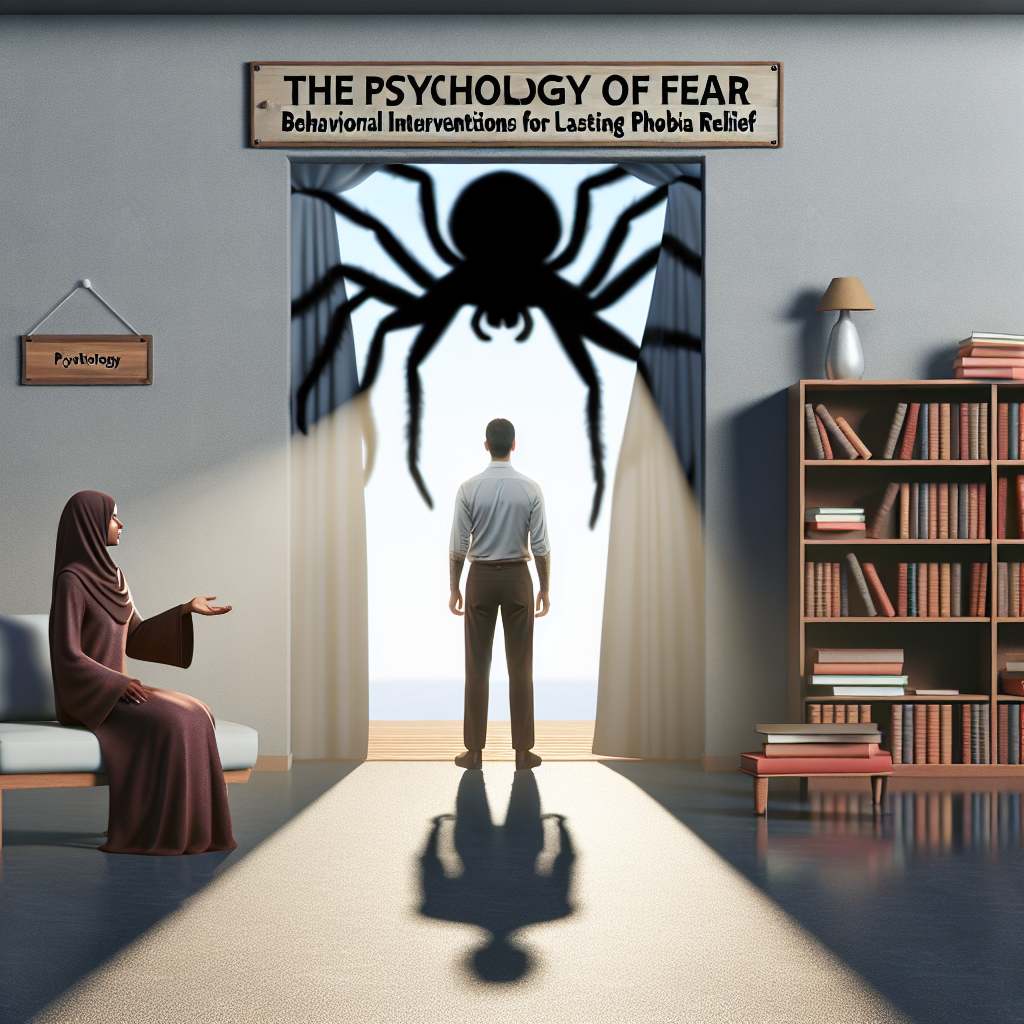
The Ultimate Guide to The Psychology of Fear: Behavioral Interventions for Lasting Phobia Relief
Introduction
Fear is a primal emotion that creeps into our lives in many forms. From the fear of heights to social anxiety, phobias can disrupt daily life and limit personal potential. Understanding the underlying psychology of fear is essential for anyone seeking lasting phobia relief. This article explores effective behavioral interventions that provide real solutions, unlocking the door to a more fulfilling life free from the constraints of fear.
Understanding the Psychology of Fear
Before diving into interventions, let’s explore what fear is and how it manifests psychologically.
The Nature of Fear
Fear triggers a physiological response known as the "fight or flight" response, engaging various systems in the body. Neurotransmitters like adrenaline flood the bloodstream, preparing us to confront a threat. However, in the case of phobias, the threat is often disproportionate to reality.
Table 1: Physiological Responses to Fear
| Physiological Response | Description |
|---|---|
| Increased Heart Rate | Prepares body for action |
| Rapid Breathing | Increases oxygen intake |
| Sweating | Regulates body temperature |
| Muscle Tension | Readies muscles for action |
The Role of Behavioral Interventions
Behavioral interventions are grounded in psychological principles that target unhelpful patterns of thinking and behavior. They are particularly effective in creating lasting change.
What Are Behavioral Interventions?
Behavioral interventions involve various techniques designed to alter undesired behaviors. They focus on modifying the relationship between thoughts, feelings, and behaviors.
Types of Behavioral Interventions for Phobias
1. Exposure Therapy
What It Is
Exposure therapy gradually exposes individuals to the source of their fears in a controlled environment.
Case Study: John’s Fear of Flying
John had a chronic fear of flying that stemmed from witnessing a turbulence incident. Through gradual exposure, starting with a virtual simulation of flights, he was eventually able to board a plane for the first time in over a decade. The systematic desensitization helped him reframe his fear.
Analysis: John’s case underscores how gradual exposure can diminish the heightened emotional response associated with fear.
2. Cognitive Behavioral Therapy (CBT)
What It Is
CBT focuses on reshaping negative thought patterns associated with fear.
Case Study: Sarah’s Social Anxiety
Sarah experienced crippling anxiety in social situations, leading to avoidance and isolation. Through CBT, she learned to challenge her negative beliefs and practice social interactions in a safe setting. Over time, Sarah developed coping strategies, allowing her to engage confidently in social contexts.
Analysis: Sarah’s journey illustrates how changing thought patterns directly affects feelings and behaviors, leading to improved social engagement.
Techniques to Enrich Behavioral Interventions
1. Systematic Desensitization
This technique involves gradually exposing individuals to their fear while pairing this exposure with relaxation techniques.
2. Flooding
Flooding involves intense, prolonged exposure to fear without any gradual buildup. Though uncomfortable, it can lead to quicker results for some individuals.
The Importance of Self-Help Strategies
In addition to professional help, self-administered techniques can be effective for managing phobias.
Mindfulness and Meditation
Practicing mindfulness helps individuals stay present and manage anxiety effectively. Regular practice can reduce the intensity of fear responses.
Real-World Applications of Behavioral Interventions
Table 2: Behavioral Interventions and Their Effectiveness
| Intervention | Effectiveness |
|---|---|
| Exposure Therapy | High for specific phobias |
| Cognitive Behavioral Therapy | High for generalized anxiety and specific phobias |
| Mindfulness Practices | Moderate for ongoing management |
| Self-Help Strategies | Varies; effectiveness depends on individual commitment |
Conclusion
Understanding The Psychology of Fear and utilizing Behavioral Interventions for Lasting Phobia Relief can empower individuals to take control of their fears. Each case study demonstrates that change is possible, and the journey often requires patience, support, and a willingness to face discomfort. With the right approach, anyone can reclaim their life from the grip of phobias.
FAQs
1. What are the most common types of phobias?
Common phobias include arachnophobia (fear of spiders), claustrophobia (fear of confined spaces), and agoraphobia (fear of open or public spaces).
2. How effective is exposure therapy?
Exposure therapy is highly effective, especially for specific phobias, with many patients reporting significant relief from symptoms.
3. Can phobias be cured entirely?
While "cure" might not be the right term, many individuals find effective management strategies and significantly reduce their fear responses through therapy.
4. How long does it take to see results from behavioral interventions?
The timeframe varies by individual. Some may experience quick improvements, while others might take several months to see significant changes.
5. Are there any risks associated with behavioral interventions?
While generally safe, some individuals may experience initial discomfort during exposure therapy. It’s essential to work with a qualified therapist who can tailor the approach to individual needs.
In review, understanding The Psychology of Fear and employing effective Behavioral Interventions for Lasting Phobia Relief offers a pathway to a life unburdened by fear. With commitment, support, and the right techniques, freedom from phobias is not just possible—it’s within reach.

