


Introduction
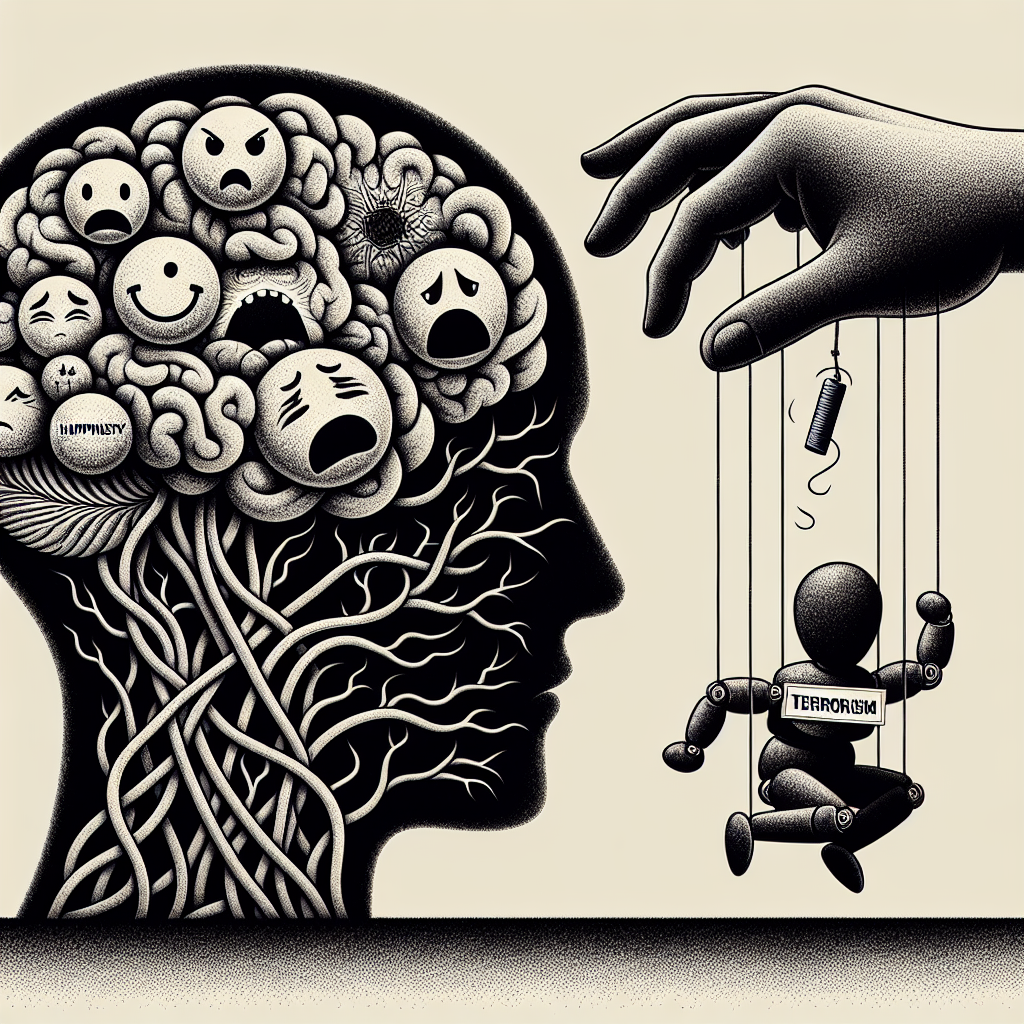
Fear is one of humanity’s most primitive emotions, a visceral response that can paralyze or motivate us. It serves to protect us from danger, but, in the wrong hands, it can be weaponized to manipulate and control. This article delves into The Psychology of Fear: How Terrorism Manipulates Emotions, exploring the intricate connections between fear and terrorism, and how these tactics can sway public opinion and enlist followers. In an age where global terrorism remains a persistent threat, understanding the psychological underpinnings of fear is more crucial than ever.
The Mechanics of Fear
Understanding Fear: A Psychological Perspective
Fear is a complex emotional response triggered by perceived threats. Psychologically, it activates our fight-or-flight response, releasing stress hormones like adrenaline and cortisol.
Table 1: The Fear Response Cycle
| Stage | Description |
|---|---|
| Perception | Recognition of a threat |
| Reaction | Physical and emotional responses (increased heart rate) |
| Action | Decision to fight or flee |
| Aftermath | Psychological impact, which can linger |
This response is not solely instinctual; it can be cultivated through learned experiences and social influences. In this context, The Psychology of Fear: How Terrorism Manipulates Emotions takes on a clearer significance. Terrorist organizations expertly exploit this natural reaction to instill fear, ensuring their narratives gain traction.
The Role of Media
In today’s digital age, the media plays a pivotal role in amplifying fear. Coverage of terrorist activities often emphasizes the immediate danger they pose, leading to heightened anxiety among the public.
Case Study: The 9/11 Attacks
The tragedy of September 11, 2001, exemplifies this concept. The immediate shock and horror experienced were magnified by relentless media coverage. Public fear surged, contributing to a landscape marked by increased security measures and a sense of vulnerability that permeated daily life.
Analysis: The way the media portrayed the attacks significantly influenced public perception and response, showcasing The Psychology of Fear: How Terrorism Manipulates Emotions as a powerful tool.
How Terrorists Create Fear
Strategic Fear Inducement
Terrorist groups utilize various maneuvers to instill fear, employing symbols, narratives, and actions that resonate deeply with their target audience.
Elements of Fear Manipulation
- Symbolism: Terrorists often use powerful symbols (e.g., flags, slogans) to provoke emotional responses.
- Targeting Innocents: Attacking civilian populations maximizes fear, making it clear that anyone could be victimized.
- Unpredictability: The unpredictable nature of terrorist attacks (like bombings or shootings) generates a constant state of anxiety.
The Psychology of Fear: How Terrorism Manipulates Emotions Through Social Identity
Research shows that group identity significantly influences perceptions of threat. Terrorist groups often manipulate this by creating an "us vs. them" narrative.
Case Study: The Rise of ISIS
ISIS effectively used social media to cultivate fear and rally support. By showcasing brutality and projecting power, they instilled deep fear within communities and inspired others to join their cause.
Analysis: The use of identity manipulation and social media illustrates how The Psychology of Fear: How Terrorism Manipulates Emotions operates on multiple levels, creating a compelling narrative that preys on both fear and belonging.
Psychological Effects of Fear on Society
Collective Trauma
When fear permeates a society, it can lead to collective trauma that impacts mental health on a large scale. Communities may internalize fear, leading to long-term psychological issues.
Graph: Emotional Impact of Terrorism on Society
- Increased Anxiety: 60% of individuals report heightened anxiety levels.
- PTSD Incidence: 15% rise in diagnosed PTSD cases post-terror attacks.
- Social Polarization: 25% increase in social division observed.
Resilience Building
Understanding The Psychology of Fear: How Terrorism Manipulates Emotions can also pave the way for resilience building. Communities can implement strategies to recognize and counteract fear responses.
- Education and Awareness: Promote psychological literacy.
- Community Engagement: Foster cooperation among community members.
- Support Systems: Encourage mental health resources.
Countering the Manipulation of Fear
Empowerment Through Knowledge
One of the most potent antidotes to fear manipulation is knowledge. The more informed individuals are about the tactics employed by terrorist organizations, the less susceptible they become to fear-driven narratives.
Promoting Tolerance and Understanding
Combating stereotypes and promoting understanding of different cultures can minimize the impact of fear.
Community Initiatives
Programs fostering inter-community dialogue can break down barriers and create a cohesive public response to fear-inducing narratives, shifting focus towards solidarity.
Conclusion
Understanding The Psychology of Fear: How Terrorism Manipulates Emotions allows us to take back control from those who seek to exploit our anxieties. By fostering knowledge, empathy, and community engagement, we can cultivate resilience against fear propaganda. In unity lies our strength, and by confronting fear with understanding, we can dismantle its paralyzing grip.
FAQs Section
1. What psychological tactics do terrorists use to instill fear?
Terrorists employ various tactics, including symbolism, targeting innocent civilians, and utilizing unpredictability to create a sense of constant threat.
2. How does the media amplify fear concerning terrorism?
The media often emphasizes terror incidents, focusing on graphic images and narratives that generate widespread fear and anxiety among the public.
3. How can communities counter the effects of fear from terrorism?
Communities can counter fear through education, fostering inter-community dialogue, and building support systems.
4. What long-term psychological effects can terrorism have on society?
Terrorism can lead to collective trauma, increased anxiety, and higher rates of PTSD and social polarization.
5. How can individuals empower themselves against fear manipulation?
By educating themselves about the tactics used by terrorist organizations and promoting tolerance, individuals can become more resilient against fear-based narratives.
By delving into The Psychology of Fear: How Terrorism Manipulates Emotions, we uncover the mechanisms behind fear and the various ways it is manipulated. Armed with this knowledge, we can work together to champion a more resilient and understanding society.


The PsyForU Editorial Collective is the research and editorial team of PsyForU Research International. The collective prepares educational, psychological, mental-health-awareness, inclusion, neurodiversity, and research-methodology content for students, parents, educators, researchers, and general readers. PsyForU content is intended for awareness, education, and capacity-building and should not be treated as clinical diagnosis, therapy, medical advice, legal advice, or emergency mental-health support.