


Introduction
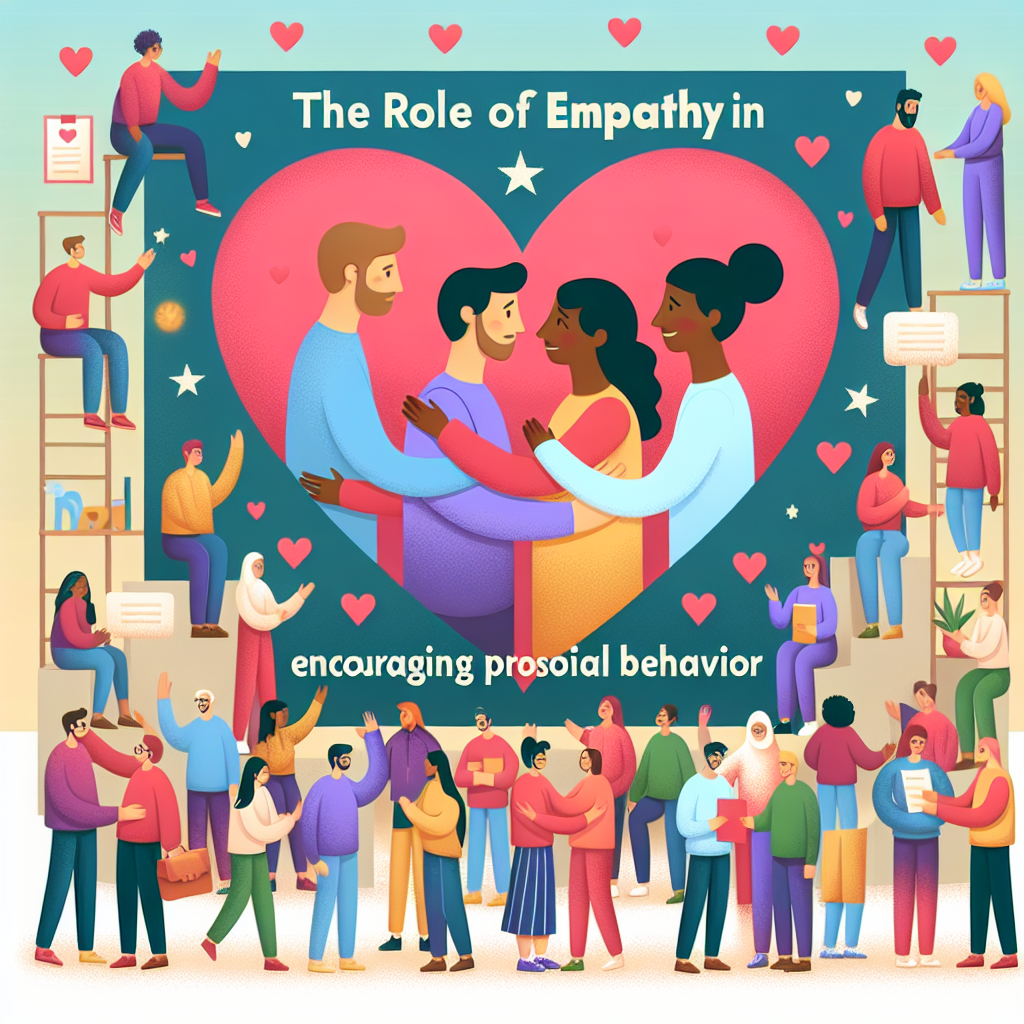
In a world often marked by division and conflict, the ability to feel for others—empathy—stands out as a beacon of hope. Empathy doesn’t just enhance our interpersonal relationships; it serves as a fundamental catalyst for prosocial behavior, leading us to act positively and altruistically towards one another. From volunteering for charitable causes to merely offering a listening ear, the role of empathy in encouraging prosocial behavior cannot be overstated. This article delves deeply into this connection, revealing the transformative potential that empathy holds in every aspect of our lives.
Understanding Empathy
The Nature of Empathy
Empathy is not just about feeling pity or sympathy for someone in distress. It is a complex emotional experience that encompasses several dimensions:
- Cognitive Empathy: The ability to understand another’s perspective and feelings.
- Emotional Empathy: The capability to feel what someone else is feeling.
- Compassionate Empathy: The urge to help based on the understanding and feelings evoked.
Each type of empathy plays a crucial role in fostering prosocial behavior.
Prosocial Behavior Defined
Prosocial behavior refers to voluntary actions intended to benefit others, encompassing acts of kindness, altruism, cooperation, and sharing. It’s the antithesis of selfish behavior and is often motivated by empathy itself. Understanding the role of empathy in encouraging prosocial behavior requires examining the psychology behind these actions.
The Psychology of Empathy and Prosocial Behavior
How Empathy Drives Prosocial Actions
Empathy has been shown to increase prosocial behavior through several mechanisms:
- Social Identification: Individuals can see themselves in others’ experiences, fostering a connection that enhances their desire to help.
- Emotional Responses: Feeling another’s pain can prompt an emotional response that encourages people to take action to alleviate that suffering.
- Moral Development: Empathic feelings can reinforce moral standards, guiding behavior aligned with societal norms for aiding others.
Case Study: The Bystander Effect
The infamous bystander effect illustrates how empathy can counteract social paralysis. In cases where individuals observe someone in distress, such as an accident, the presence of others can inhibit action. However, when an empathic response is elicited—often achieved through direct eye contact or verbal engagement—individuals are more likely to intervene.
Analysis: This case study highlights that empathy can break the inertia of social situations, pushing individuals toward prosocial behavior even in crowded circumstances.
Real-World Applications of Empathy in Promoting Prosocial Behavior
Education Settings
Schools are prime environments for fostering empathy and prosocial behavior among youth. Programs like Social Emotional Learning (SEL) aim to teach children how to identify emotions, understand perspectives, and appreciate diversity.
Statistics: According to a report by the Collaborative for Academic, Social, and Emotional Learning (CASEL), schools implementing SEL programs observe a 23% increase in prosocial behaviors among students.
Workplace Dynamics
Organizations are increasingly recognizing the role of empathy in promoting prosocial behavior among coworkers. Empathetic leadership can positively impact workplace culture, leading to higher job satisfaction and collaboration.
Case Example: A renowned tech company adopted an empathy training program for its team leaders, resulting in a 30% increase in employee engagement scores.
Volunteering and Community Engagement
Empathy serves as a powerful motivator for community service and volunteer work. When individuals resonate with the struggles of their community members, they are more likely to take action, whether it’s through organized charity events or informal acts of kindness.
Chart: A survey revealed that 78% of individuals who engaged in community service cited empathetic feelings as their primary motivation.
Strategies to Cultivate Empathy for Prosocial Behavior
Active Listening Techniques
Practicing active listening fosters understanding and connection. Engaging fully with someone’s words, asking questions, and reflecting on their feelings can enhance empathy.
Perspective-Taking Exercises
Engaging in activities that promote perspective-taking can help individuals step outside their own experiences. Role-playing or storytelling can provide insights into different lives and challenges.
Mindfulness Practices
Mindfulness helps individuals develop emotional awareness. Being present can lead to a deeper understanding of the emotions others experience, which can foster empathy.
The Role of Empathy in Various Cultural Contexts
Cross-Cultural Perspectives
Empathy manifests differently across cultures, impacting prosocial behavior in distinct ways. Collectivist cultures, for instance, prioritize community welfare, which may amplify empathic responses.
Table: A comparison of empathetic behaviors in individualistic vs. collectivist cultures based on survey data.
| Aspect | Individualistic Cultures | Collectivist Cultures |
|---|---|---|
| Empathy Expression | Direct | Indirect |
| Motivation for Prosocial Action | Personal gain | Community benefit |
| Social Norms | Autonomy prioritized | Interdependence emphasized |
Enhancing Global Empathy
Understanding these cultural differences is crucial in an increasingly globalized world. Encouraging empathy within and among diverse groups can dismantle barriers and promote global prosocial behavior.
Conclusion
The transformative power of empathy is undeniable. Understanding the role of empathy in encouraging prosocial behavior reveals how it can enhance our communities, foster better workplace relationships, and create a more compassionate society. By prioritizing empathy, we can cultivate an environment where kindness, altruism, and cooperation thrive.
Empower yourself to be the change. Whether through active listening, volunteering your time, or simply reaching out to those in need, fostering empathy is an essential step toward transforming not only your life but the lives of others.
FAQs
1. What is the difference between empathy and sympathy?
Sympathy involves feelings of pity or sorrow for someone else’s situation, while empathy encompasses understanding and sharing those feelings on a deeper emotional level.
2. How can I increase my empathy towards others?
You can increase empathy by actively listening, engaging in perspective-taking exercises, and practicing mindfulness.
3. Are there scientific studies supporting the link between empathy and prosocial behavior?
Yes, numerous studies, including those by CASEL and in psychology journals, demonstrate a strong correlation between heightened empathy and increased prosocial behaviors.
4. Can empathy be taught?
Absolutely! Programs designed for schools and workplaces emphasize skill development in empathy through training and social emotional learning.
5. How does empathy relate to mental health?
Empathy can improve mental health by fostering supportive relationships, reducing feelings of loneliness, and enhancing emotional intelligence.
By understanding and embracing the role of empathy in encouraging prosocial behavior, we can all contribute to a more compassionate and connected world.


Dr. Leah Howard, Positive Psychology
Dr. Howard is a researcher and advocate for positive psychology, focusing on human strengths, happiness, and well-being. Her writings explore how people can cultivate a positive mindset, improve resilience, and develop emotional intelligence to live fulfilling lives.