


Introduction
In the realm of early childhood development, the phrase “joint attention” often emerges as a pivotal concept. But what does it truly mean, and why should caregivers and educators prioritize it? The science behind joint attention is not just an academic curiosity—it’s foundational to the cognitive and social growth of children. Understanding joint attention can unlock the door to pathways that nurture communication, empathy, and learning, ultimately shaping a child’s future.
Join us as we delve into The Science Behind Joint Attention: Why It Matters in Early Childhood Development. Through compelling insights and revealing case studies, we will explore how joint attention acts as a cornerstone for developmental milestones during the critical early years.
What is Joint Attention?
Definition and Importance
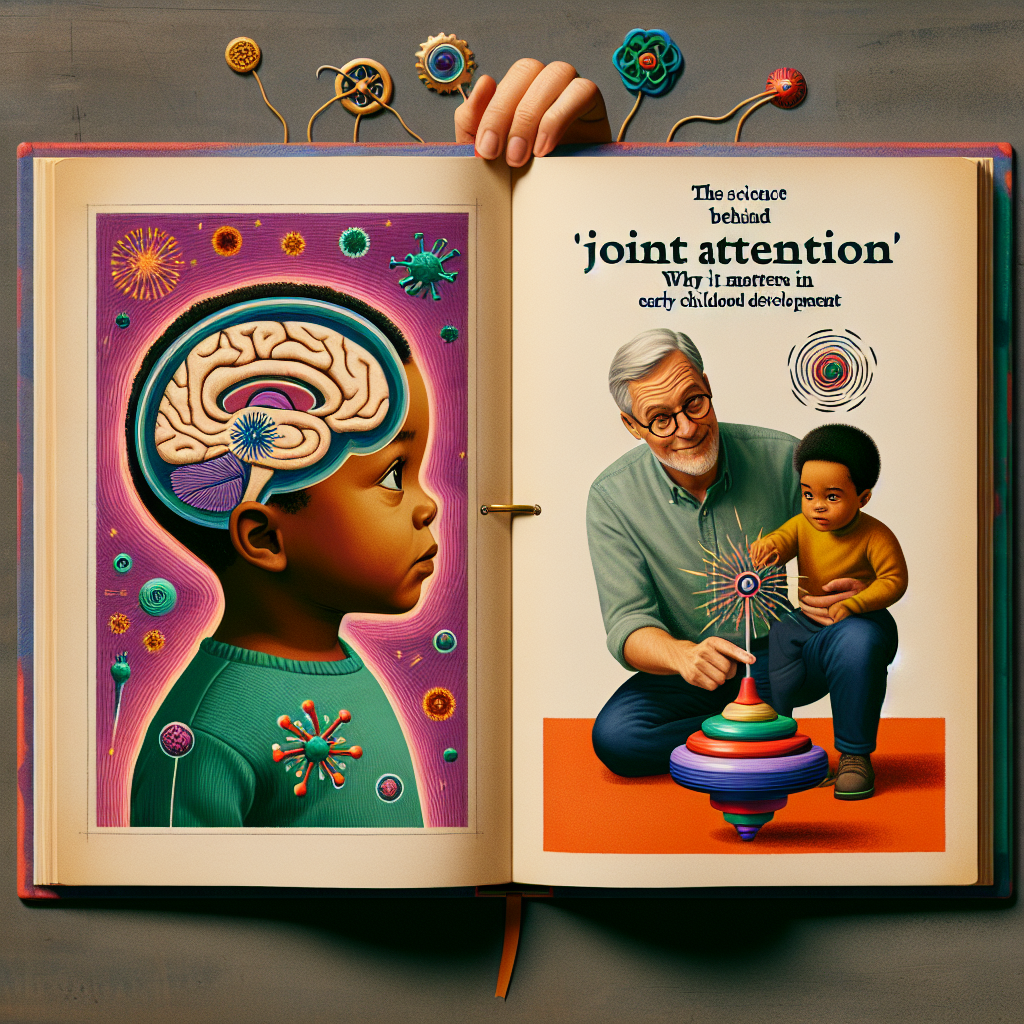
Joint attention involves two or more individuals focusing on the same object or event while being aware that they are sharing that focus. This concept is more than mere observation; it is an active, collaborative process essential for social interaction and communication.
The Developmental Timeline
Joint attention typically begins to emerge around 6 to 12 months of age. Children start to follow the gaze of others, share interests, and engage in “pointing” behaviors. This early capacity for joint attention lays the groundwork for future communication skills and social relationships.
Relevance to Early Childhood Development
The importance of joint attention cannot be overstated. It forms a critical part of a child’s social toolkit, enabling them to engage with others and learn from their environment. The science behind joint attention indicates that children who develop these skills typically show enhanced social skills, language development, and cognitive flexibility.
The Mechanisms of Joint Attention
Cognitive Components
Joint attention is not merely a social phenomenon but also a cognitive one. It engages several brain networks responsible for attention, social cognition, and language processing. Understanding these mechanisms can help educators and caregivers foster environments conducive to joint attention.
| Component | Description |
|---|---|
| Attention | The ability to focus on objects or events |
| Social Cognition | Understanding others’ perspectives |
| Language Processing | Facilitating communication and meanings |
Emotional Dimensions
Joint attention is closely linked to emotional development. It encourages children to share emotions, thus cultivating empathy and forming strong emotional bonds.
The Role of Joint Attention in Language Development
The Correlation with Vocabulary Acquisition
Numerous studies demonstrate a strong correlation between joint attention and language acquisition. Children who engage in joint attention with their caregivers often exhibit larger vocabularies and better language skills by age three.
Case Study: The Impact on Bilingualism
In a bilingual environment, joint attention can serve as a bridge between two languages, allowing children to make connections that enhance their understanding of both. For instance, research shows that bilingual children engaged in joint attention display greater linguistic flexibility.
Analysis of Case Study
This case underscores the power of joint attention in not just supporting language skills, but also enriching a child’s cultural and social identity.
Joint Attention and Social Skills
Building Social Competence
Children who engage in joint attention are more likely to develop strong social skills. They learn to interpret social cues, respond to others’ emotions, and engage in cooperative play.
Case Study: Autism Spectrum Disorder (ASD)
Children with ASD often struggle with joint attention, which directly impacts their social interactions and communication skills. Early interventions focusing on enhancing joint attention shown significant improvements in social competencies among these children.
Analysis of Case Study
This study highlights the criticality of joint attention in fostering those essential social skills that many children take for granted.
Fostering Joint Attention in Early Childhood
Strategies for Parents and Educators
1. Interactive Reading
Reading books together and asking open-ended questions can significantly enhance joint attention. By engaging the child in discussions about the story, caregivers can nurture both language and social skills.
2. Play-Based Learning
Interactive play—where adults and children engage in the same activity—can facilitate joint attention naturally. Activities such as building blocks, puzzles, and role-playing stimulate shared focus and collaborative learning.
3. Responsive Interactions
Being responsive to a child’s cues, such as gaze or gestures, can reinforce joint attention. By acknowledging what the child is interested in, caregivers can foster engagement and communicative exchanges.
Importance of Consistency
Consistency in these practices is vital. The more opportunities a child has to engage in joint attention, the more likely they are to internalize the skills necessary for effective communication and social interaction.
The Science Behind Joint Attention: Insights from Research
Key Findings
Recent research highlights that joint attention significantly impacts cognitive and language development. A meta-analysis revealed that children with strong joint attention skills outperformed their peers in vocabulary and social interactions.
| Findings | Implications |
|---|---|
| Stronger Vocabulary | Enhanced communication skills |
| Improved Social Skills | Better peer relationships |
| Greater Cognitive Flexibility | Adaptation to various situations |
Conclusion
The science behind joint attention reveals its vital role in early childhood development. By fostering joint attention through interactive engagement, caregivers and educators can significantly impact a child’s cognitive and social trajectory. Let’s prioritize joint attention as a fundamental building block for future generations, equipping them with the tools they need to connect, communicate, and thrive.
FAQs About Joint Attention and Early Childhood Development
1. What is joint attention?
Joint attention refers to the shared focus of two individuals on an object or event, forming the basis for interaction and communication.
2. How does joint attention affect language development?
Research shows that children who engage in joint attention typically have larger vocabularies and better language skills due to increased interactive opportunities.
3. What age do children begin to show joint attention?
Joint attention usually begins to emerge between 6 to 12 months of age.
4. How can I encourage joint attention with my child?
Interactive reading, play-based learning, and responsive interactions are effective strategies to foster joint attention.
5. What challenges do children with Autism Spectrum Disorder face regarding joint attention?
Children with ASD often struggle with initiating and maintaining joint attention, which can hinder their social interactions and communication skills. Early interventions focusing on joint attention can lead to significant improvements.
By understanding The Science Behind Joint Attention: Why It Matters in Early Childhood Development, we can cultivate environments that support these essential skills, ensuring that children are well-equipped for their future social, emotional, and cognitive journeys.


The PsyForU Editorial Collective is the research and editorial team of PsyForU Research International. The collective prepares educational, psychological, mental-health-awareness, inclusion, neurodiversity, and research-methodology content for students, parents, educators, researchers, and general readers. PsyForU content is intended for awareness, education, and capacity-building and should not be treated as clinical diagnosis, therapy, medical advice, legal advice, or emergency mental-health support.