


The Ultimate Guide to The Science of Reading: Tailoring Strategies for Students with Dyslexia
Introduction
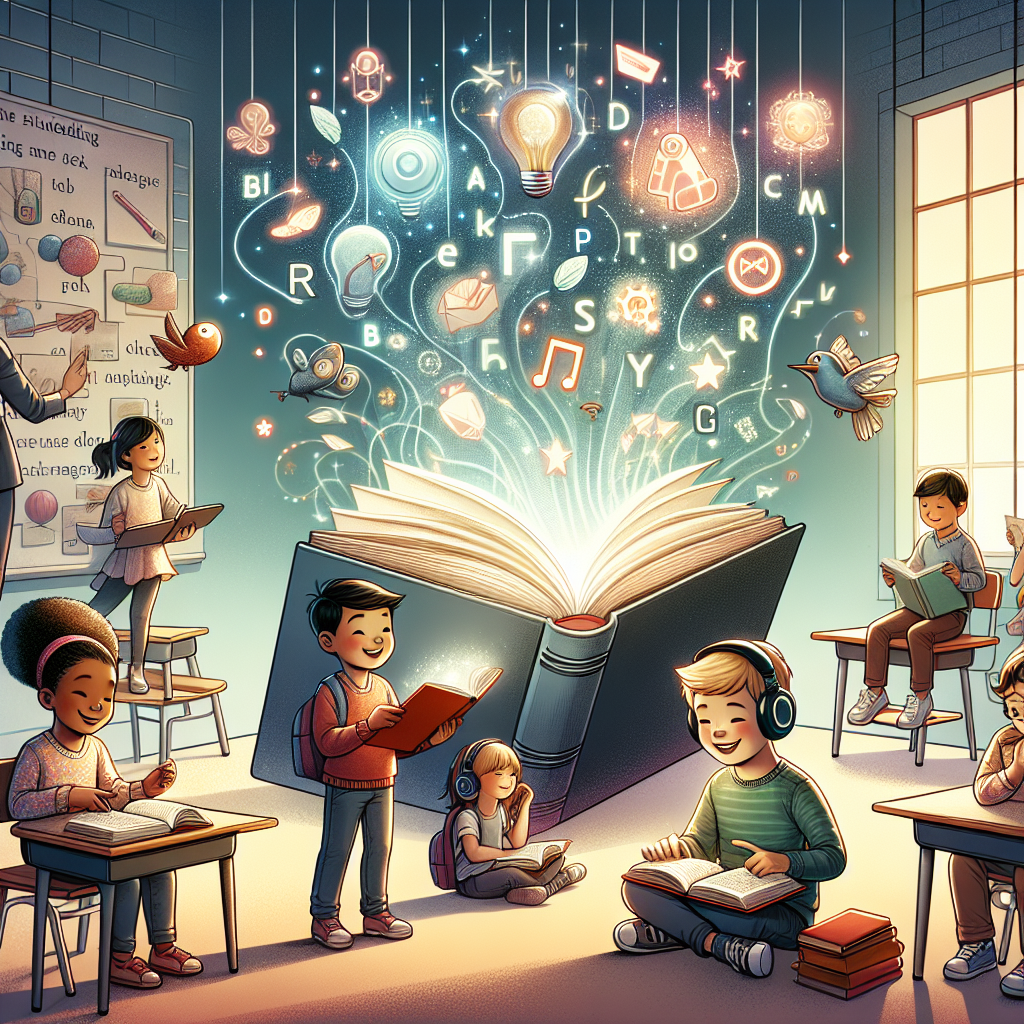
Imagine a classroom where every student not only learns to read but thrives in their reading journey. For many students with dyslexia, however, traditional methods can often leave them feeling defeated and disengaged. Understanding The Science of Reading and how to tailor strategies specifically for these students can transform their learning experience. This article delves deeply into effective approaches that educators and parents can use, making the learning process enjoyable and success-driven.
Dyslexia affects approximately 1 in 5 students, making it crucial for educators to adopt strategies that align with the principles outlined in The Science of Reading. This research-driven approach grounds itself in understanding how the brain processes language and how structured literacy practices can facilitate reading development. Here, we will explore the essential components of effective reading instruction, supported by real-world applications and case studies to illuminate the journey toward nurturing successful readers with dyslexia.
Understanding Dyslexia: A Brief Overview
Before diving into strategies, it’s important to understand what dyslexia is. Dyslexia is a specific learning disability that affects reading skills, including decoding, fluency, and comprehension. It is neurological rather than a reflection of intelligence or effort. Recognizing these distinctions is vital for any intervention strategy.
Key Characteristics of Dyslexia
- Phonological Awareness: Difficulty in recognizing and manipulating sounds.
- Decoding: Problems in linking sounds to letters and forming words.
- Fluency: Challenges in reading smoothly and with expression.
- Comprehension: Struggles with understanding and recalling what is read.
The Science of Reading: A Foundation for Effective Strategies
1. Structured Literacy: The Backbone of Effective Interventions
The essence of The Science of Reading hinges on the concept of structured literacy. This approach is explicit, systematic, and sequential, offering a roadmap for both educators and learners. Key components of structured literacy include:
- Phonemic Awareness
- Phonics
- Fluency
- Vocabulary
- Comprehension Strategies
Case Study: Emily’s Journey
Take Emily, a 10-year-old girl diagnosed with dyslexia. Initially, she struggled in a classroom that employed a balanced literacy approach, often feeling left behind. However, after her teacher shifted to structured literacy practices, focusing on phonemic awareness and systematic phonics instruction, Emily’s reading skills blossomed. Within six months, she transitioned from barely reading at grade level to gaining confidence in her abilities.
2. Multi-Sensory Teaching Techniques
Incorporating multi-sensory techniques can enhance engagement and retention. The Science of Reading suggests that utilizing various senses can help solidify learning. Techniques include:
- Visual aids: Utilizing charts and diagrams.
- Auditory support: Engaging with sounds, songs, and auditory stories.
- Tactile activities: Using manipulative objects like letter tiles or sandpaper letters.
Chart: Multi-Sensory Approach Benefits
| Sensory Modality | Description | Example Activities |
|---|---|---|
| Visual | Leverages visual learning through images and colors | Color-coded word cards |
| Auditory | Enhances understanding through sound | Songs for phonics rules |
| Kinesthetic | Engages motor skills for learning | Building words with blocks |
Tailoring Strategies to Address Specific Needs
3. Personalized Learning Plans
Every student is unique, including those with dyslexia. Personalized learning plans should reflect individual strengths and weaknesses. Strategies could include:
- Targeted Reading Goals: Setting specific short-term and long-term objectives.
- Frequent Assessments: Monitoring progress and making data-informed adjustments.
Case Study: Jacob’s Progress
Jacob, a fifth grader with dyslexia, thrived after his educator implemented a personalized learning plan that integrated frequent assessments and adaptive reading exercises tailored to his interests. This approach not only improved his reading skills but also reignited his passion for books.
4. Technology Integration
Modern technology offers various supportive tools for dyslexic students. These include:
- Text-to-Speech Programs: Enabling students to hear text read aloud.
- Speech Recognition Software: Assisting in writing tasks.
- Interactive E-Books: Engaging students through dynamic content.
Table: Technology Tools for Dyslexia
| Tool | Description | Benefits |
|---|---|---|
| Text-to-Speech | Converts written text into audible speech | Improves comprehension |
| Speech Recognition | Converts spoken words into written text | Aids in writing tasks |
| Interactive E-Books | Offers multimedia elements along with texts | Engages students effectively |
Supportive Classroom Environment
5. Creating an Inclusive Classroom
Fostering an inclusive environment is imperative for dyslexic students. Educators should prioritize:
- Positive Reinforcement: Encourage and motivate students for their efforts.
- Flexible Seating: Allow comfortable spaces for learning.
6. Collaboration with Specialists
Collaboration with special education professionals, reading specialists, and even parents enhances intervention effectiveness.
Case Study: Sarah’s Success Through Collaboration
Sarah, a second grader, benefited from a team approach involving her classroom teacher, a reading specialist, and her parents. Regular meetings ensured consistent strategies across home and school environments, leading to remarkable improvements in Sarah’s reading abilities.
Practical Applications of The Science of Reading
7. Effective Phonics Instruction
Phonics instruction is a critical element of The Science of Reading. Strategies that work include:
- Systematic Phonics Programs: Using structured curriculum that builds from simple to complex sounds.
- Decodable Texts: Providing reading materials that reinforce phonics lessons.
8. Building a Rich Vocabulary
Expanding vocabulary is another essential aspect. Strategies include:
- Word Mapping: Exploring synonyms, antonyms, and usage.
- Contextual Learning: Learning new words through meaningful stories and discussions.
Conclusion
Understanding The Science of Reading equips educators and parents with powerful tools to help students with dyslexia thrive. Tailoring strategies that are personalized, multi-sensory, and supported by data can lead to remarkable progress and renewed confidence. As we move forward, let’s prioritize inclusive practices that cater to each student’s unique needs, creating a world where everyone has the opportunity to succeed in reading.
Adopting these strategies isn’t just about teaching students to read; it’s about transforming their outlook on learning and fostering a love for literature that lasts a lifetime.
FAQs
1. What is dyslexia?
Dyslexia is a learning disorder that affects reading abilities, including decoding, fluency, and comprehension, despite adequate intelligence and instruction.
2. How can I help my dyslexic child at home?
Provide a supportive environment, read together regularly, and utilize multi-sensory strategies. Consider engaging with educational technology designed for dyslexia.
3. What is structured literacy?
Structured literacy is an approach rooted in scientific research that focuses on systematic and explicit instruction in literacy skills, beneficial for students with dyslexia.
4. Can dyslexia be cured?
While dyslexia is a lifelong condition, effective interventions can significantly improve reading skills and instill confidence.
5. How can educators tailor their teaching for dyslexic students?
Use multi-sensory approaches, personalized learning plans, and collaboration with specialists to create an inclusive learning environment.
6. What are some effective phonics programs for students with dyslexia?
Programs like Orton-Gillingham or Wilson Reading System are structured phonics methods that have proven effective for students with dyslexia.
This guide aims to equip you with knowledge and actionable strategies rooted in The Science of Reading: Tailoring Strategies for Students with Dyslexia. With dedication and the right approaches, every student can succeed in their reading journey.

