


Introduction
In the fast-paced arena of education, the landscape is ever-evolving, complex, and filled with both challenges and opportunities. Teachers are often presented with students of varying abilities and needs, requiring them to find strategies that ensure every child has the chance to succeed. Among these strategies, the concept of Response to Intervention (RTI) has emerged as a beacon of hope, demonstrating an effective and systematic way to address these diverse educational needs.
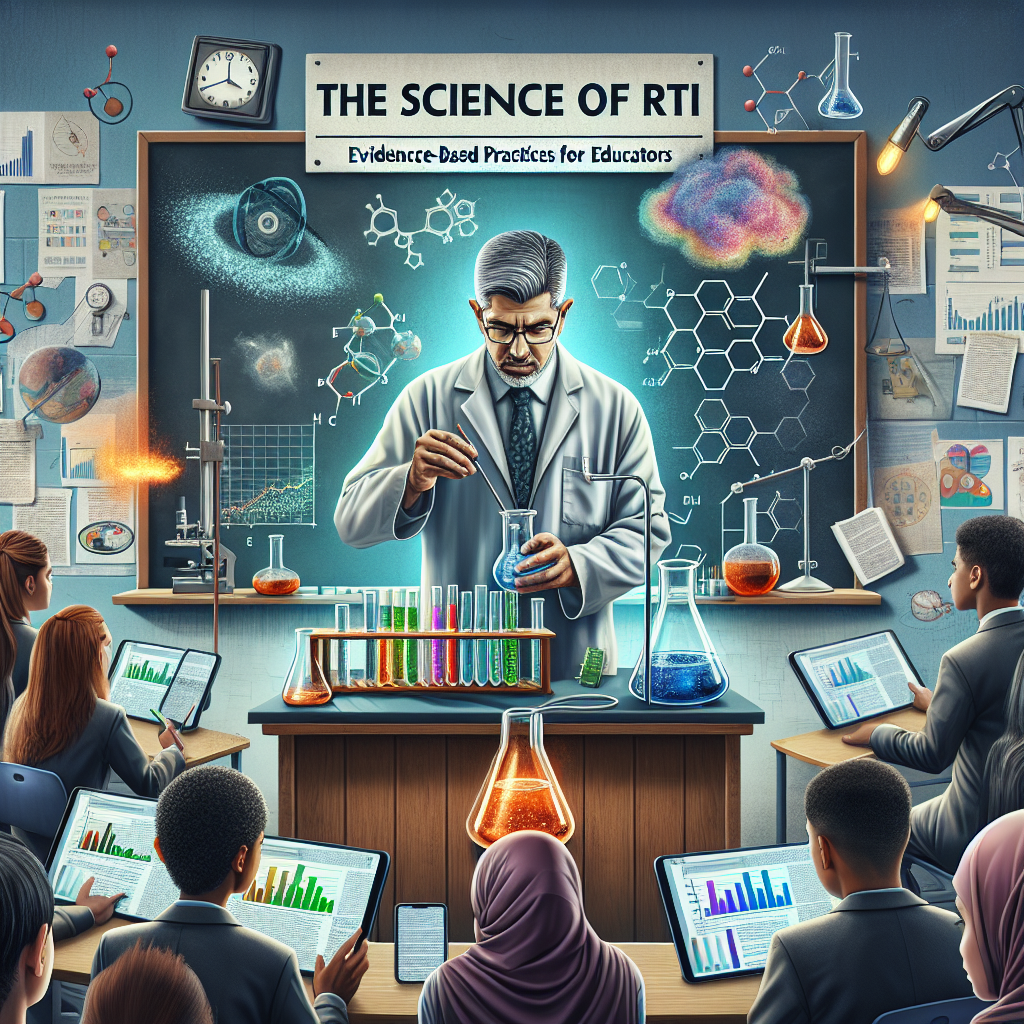
The Science of RTI: Evidence-Based Practices for Educators serves as a vital framework for educators, promising not only improved academic outcomes but also a more equitable learning environment. This article will delve deep into the science of RTI, providing practical insights, case studies, and strategies that can empower educators in their quest for student success.
Understanding RTI
What is RTI?
Response to Intervention (RTI) is a multi-tiered approach designed to identify and support students with learning and behavior needs. Rather than waiting for a student to fail before providing help, RTI proactively addresses academic concerns through early intervention.
At its core, the RTI model consists of three key tiers:
- Tier 1: General Education Classroom – High-quality classroom instruction and universal screening of all students.
- Tier 2: Targeted Interventions – Small group interventions for students who show difficulty in Tier 1.
- Tier 3: Intensive Interventions – Individualized programming for students who do not respond to Tier 2 interventions.
This tiered structure not only facilitates early identification of student needs but also allows for flexible and responsive instructional practices, ensuring that all students receive support tailored to their unique learning profiles.
Evidence-Based Practices
The backbone of the RTI framework rests on evidence-based practices. These are interventions and instructional strategies that have been proven effective through rigorous research.
Some key evidence-based practices within the RTI framework include:
- Explicit Instruction: A teaching approach characterized by clear, direct, and systematic teaching of specific skills or concepts.
- Data-Driven Decision Making: Utilizing student data to inform instruction and intervention decisions.
- Collaborative Problem Solving: Engaging teachers, administrators, and support staff in developing strategies and solutions for student learning challenges.
The Science of RTI: Evidence-Based Practices for Educators emphasizes the significance of these practices, not only ensuring compliance with educational standards but also fostering a culture of continuous improvement.
The Role of Data in RTI
Data Collection Methods
Data plays a crucial role in RTI. Educators must utilize various data collection methods, including formal assessments, informal assessments, and observational data, to gauge student progress effectively.
| Data Type | Purpose | Examples |
|---|---|---|
| Formal Assessments | Measure student learning and performance | Standardized tests |
| Informal Assessments | Frequent snapshots of student progress | Quizzes, classwork, teacher notes |
| Observational Data | Gather qualitative insights about student behavior and engagement | Classroom observations, student feedback |
Analyzing and Utilizing Data
Educators must analyze data collaboratively, using it to make informed decisions about instructional practices and interventions. For instance, if data shows that a significant portion of students is struggling with reading comprehension, targeted interventions such as guided reading groups can be implemented.
The aim of the data-driven process is not only to identify deficits but to track progress and adjust instructional strategies as needed. This continuous cycle of assessment, intervention, and review is one of the bedrocks of The Science of RTI: Evidence-Based Practices for Educators.
Case Studies in Action
Case Study 1: Implementing RTI in a Middle School
Background: At Jefferson Middle School, educators noticed a consistent trend of students underperforming in mathematics. The faculty decided to implement the RTI framework.
Implementation: They introduced a three-tiered system. In Tier 1, teachers provided high-quality core instruction. In Tier 2, struggling students received additional support through small-group sessions focused on key mathematical concepts. Finally, Tier 3 provided individualized instruction for students who still struggled.
Outcome: Within a year, the percentage of students meeting math proficiency increased from 62% to 82%. The school reported not only improved academic performance but increased student engagement and motivation.
Relevance to RTI: This case study illustrates how the strategic application of The Science of RTI: Evidence-Based Practices for Educators can lead to significant improvements in student outcomes, emphasizing the effectiveness of tiered interventions.
Case Study 2: Addressing Reading Challenges
Background: At Maple Elementary, teachers observed that many first-graders were struggling with decoding and comprehension.
Implementation: Teachers collected data through literacy assessments and established an RTI framework. They focused on phonemic awareness in Tier 1, incorporated small group instruction in Tier 2, and implemented one-on-one tutoring in Tier 3 for students requiring intense support.
Outcome: The school saw a remarkable 40% increase in the number of students reading at grade level by the end of the year, showcasing the impact of evidence-based practices in reading intervention.
Relevance to RTI: This example emphasizes the importance of targeted interventions and how vital data is in supporting The Science of RTI: Evidence-Based Practices for Educators. It highlights that understanding each student’s unique needs, paired with effective instructional strategies, results in improved literacy rates.
Effective Practices for Educators
Building a Collaborative Culture
Collaboration among staff is essential for the successful implementation of RTI. Educators should engage in regular meetings to discuss student progress, strategize interventions, and share effective teaching practices.
- Professional Development: Continuous learning opportunities help educators to refine their skills and stay updated on best practices.
- Co-teaching Models: This promotes collaboration while providing differentiated instruction for students.
Engaging Families
Active involvement of families in the RTI process can have a significant impact on its effectiveness. Schools should establish robust communication channels with parents and guardians, ensuring they are informed and actively participating in their child’s educational journey.
Incorporating Technology
Utilizing technology can enhance the RTI process by providing tools for data collection and analysis. Learning management systems can aid in tracking student progress, while educational software can offer tailored interventions.
Challenges and Solutions in RTI
Common Challenges
- Resistance to Change: Educators may be hesitant to adopt a new approach, fearing it might disrupt their instructional practices.
- Insufficient Training: Without adequate professional development in RTI practices, teachers may struggle to implement the system effectively.
- Data Overload: With the vast amount of data collected, educators may feel overwhelmed, making it difficult to extract actionable insights.
Solutions
- Fostering a Growth Mindset: Schools should cultivate an environment that encourages experimentation and learning from failures.
- Targeted Professional Development: Ensure that training programs are robust, focusing on both the theoretical and practical aspects of RTI.
- Streamlined Data Systems: Educators can implement user-friendly data management systems that provide clear visualizations of student progress.
Conclusion
The journey of implementing Response to Intervention is not without its challenges, yet the rewards—improved student outcomes, enhanced educator collaboration, and a data-driven culture—are well worth the effort.
The Science of RTI: Evidence-Based Practices for Educators provides the framework and strategies essential for fostering a responsive learning environment tailored to individual needs.
As educators, the commitment to understanding and applying RTI can transform classrooms and lead to remarkable success stories. Let’s embrace this approach, champion innovative methods, and strive to ensure that every student is equipped with the tools they need to succeed.
FAQs
1. What are the primary goals of RTI?
The main goals of RTI are to identify students who are at risk of academic failure, provide timely and targeted interventions, and monitor their progress to ensure all students succeed academically.
2. How does RTI differ from traditional models of special education?
Unlike traditional models which often wait for a child to fail before providing support, RTI is proactive, offering interventions at the first sign of difficulty, allowing for timely support and reduced referral rates for special education.
3. What role does data play in the RTI process?
Data is essential for shaping instruction and interventions within RTI. Educators must collect, analyze, and apply data to make informed decisions regarding the level of support each student requires.
4. How can families be involved in the RTI process?
Families can be engaged by maintaining open lines of communication, providing regular updates on student progress, and encouraging their involvement in intervention strategies at home.
5. Are there specific resources available for educators implementing RTI?
Yes! Various resources, including RTI frameworks, professional development courses, and educational software, are available to assist educators in successfully implementing RTI practices.


The PsyForU Editorial Collective is the research and editorial team of PsyForU Research International. The collective prepares educational, psychological, mental-health-awareness, inclusion, neurodiversity, and research-methodology content for students, parents, educators, researchers, and general readers. PsyForU content is intended for awareness, education, and capacity-building and should not be treated as clinical diagnosis, therapy, medical advice, legal advice, or emergency mental-health support.