


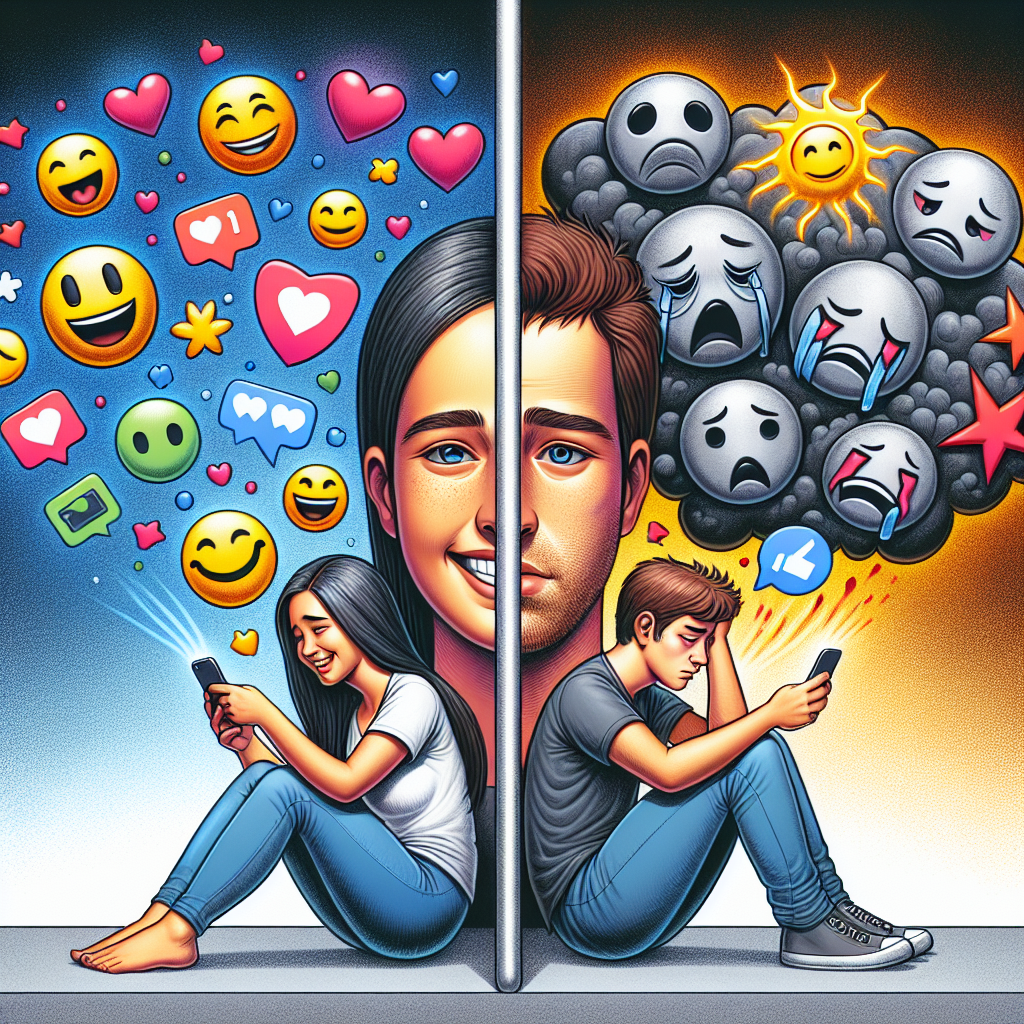
The Social Media Paradox: Essential Benefits and Detriments for Teen Mental Health
Introduction
In the digital age, where a simple swipe or click can connect individuals around the globe, social media has become an integral part of our lives. The immense influence that platforms like Instagram, TikTok, Snapchat, and Facebook have on teenagers cannot be overlooked. As they navigate the labyrinth of likes, shares, and comments, many young individuals find themselves at a crossroads marked by the Social Media Paradox: Benefits and Detriments for Teen Mental Health. This dichotomy presents an essential discussion about how social media can serve as both a lifeline and a hindrance for the mental well-being of today’s youth. In this article, we’ll explore the intricate layers of this paradox, shedding light on the positive aspects, the negative repercussions, and what we can do to navigate safely through this complex landscape.
The Double-Edged Sword of Social Media
The impact of social media on teenagers can be likened to a double-edged sword; while it has the power to foster community, creativity, and self-expression, it also poses significant risks to mental health.
Benefits of Social Media for Teen Mental Health
-
Community Building and Support
- Social media platforms enable teens to form connections with peers who share similar interests, problems, and passions. According to a survey by the Pew Research Center, 70% of teenagers feel that social media helps them feel more connected to their friends.
- Case Study: The #EndTheStigma campaign on Instagram highlights the importance of mental health awareness. By encouraging teenagers to share their struggles, this initiative empowers them to seek help and support from their online communities.
-
Self-Expression and Creativity
- Platforms such as TikTok and Instagram allow teenagers to express themselves creatively. Whether through art, music, or video production, the opportunity to showcase talents contributes positively to their self-esteem.
- Case Study: A teen artist, Sophie, used TikTok to share her paintings. As her following grew, she reported increased confidence and a sense of purpose, linking creativity directly to her improved mental well-being.
- Access to Information
- Social media serves as a vast reservoir of information. Teens can access mental health resources, educational content, and support groups that were previously unavailable.
-
Table 1: Mental Health Resource Platforms Platform Focus Area Accessibility Instagram Community Support High TikTok Mental Health Tips Moderate Facebook Groups Peer Support High Twitter Awareness Campaigns High
Detriments of Social Media for Teen Mental Health
-
Comparative Pressure and Self-Esteem Issues
- The phenomenon of social comparison can lead to feelings of inadequacy and low self-esteem among teenagers. Scrolling through curated lives and perfect images creates unattainable standards.
- Case Study: Upon conducting interviews, researchers found that teens who frequently browse beauty influencers reported higher levels of body dissatisfaction and anxiety.
-
Cyberbullying and Harassment
- The darker side of social media cannot be ignored. Cyberbullying is a prevalent issue, with studies indicating that over 37% of teenagers have experienced it online.
- Case Study: The story of Jamie, a high school student who faced online harassment, underscores the severe psychological impact of cyberbullying, resulting in anxiety and depression.
- Addiction and Isolation
- The addictive nature of social media can lead to social isolation. Teens may choose virtual interactions over real-life connections, leading to feelings of loneliness.
- Research Insight: According to a report by the Royal Society for Public Health, social media is linked to increased rates of anxiety and depression, as teens spend more time online and less in direct human interaction.
Balancing the Scale: Finding Equilibrium
While the Social Media Paradox: Benefits and Detriments for Teen Mental Health is complex, understanding how to leverage the positives while mitigating the negatives is key.
Strategies for Positive Engagement
-
Mindful Usage
- Encourage teenagers to practice mindful usage of social media. Setting limits on usage time and curating feeds to include positive content can help mitigate the negatives.
-
Education on Healthy Practices
- Schools and parents should collaborate to educate teens about healthy social media practices. Workshops focused on digital literacy can instill critical thinking about online content.
- Promoting Offline Activities
- Encourage participation in sports, clubs, or other in-person activities. This not only fosters social interaction but can also diminish reliance on social media for socialization.
Conclusion
The Social Media Paradox: Benefits and Detriments for Teen Mental Health is not just a discussion; it’s a call to action. By understanding the duality of social media’s role in teen lives, we can equip ourselves and future generations with the tools to navigate its complexities effectively. By promoting open discussions, fostering healthy usage patterns, and providing suitable resources, we can turn social media from a potential source of distress into a powerful tool for connection and growth.
Frequently Asked Questions (FAQs)
-
How can I help my teenager manage their social media usage?
- Start by discussing boundaries around screen time and encourage them to reflect on their feelings after using social media.
-
What are signs of social media addiction in teens?
- Signs include neglecting responsibilities, social withdrawal, increased anxiety, and using social media to escape problems.
-
Can social media be beneficial for teens struggling with mental health issues?
- Yes, it can provide support networks and resources, but moderation is key to prevent negative impacts.
-
What should I do if my teen is being bullied online?
- Encourage them to speak up, document the incidences, and report the behavior to the platform and to a trusted adult.
- How can I foster a positive online environment for my child?
- Model healthy online behaviors, encourage open communication, and help them curate their social media feeds to include positivity and support.
By navigating the landscape of social media with intention and awareness, we can unlock its potential benefits while minimizing its risks, ensuring that the journey through adolescence is as enriching as it should be.

