


Introduction
Have you ever watched a skilled dancer, an athlete, or even a surgeon performing intricate movements with seemingly effortless precision? Behind their skills lies a sophisticated biological mechanism known as the sensorimotor feedback loop. Understanding Sensorimotor Feedback Loops: The Key to Precise Movement not only unveils the fascinating interplay within our nervous system but also reveals how these feedback loops enable us to achieve high levels of coordination and control in our actions. This knowledge is invaluable for athletes, rehabilitation specialists, and anyone keen on enhancing their physical capabilities.
As we delve into the inner workings of sensorimotor feedback loops, we will explore the science behind movement, real-world applications, and valuable insights to harness these mechanisms for improved performance in various fields.
What Are Sensorimotor Feedback Loops?
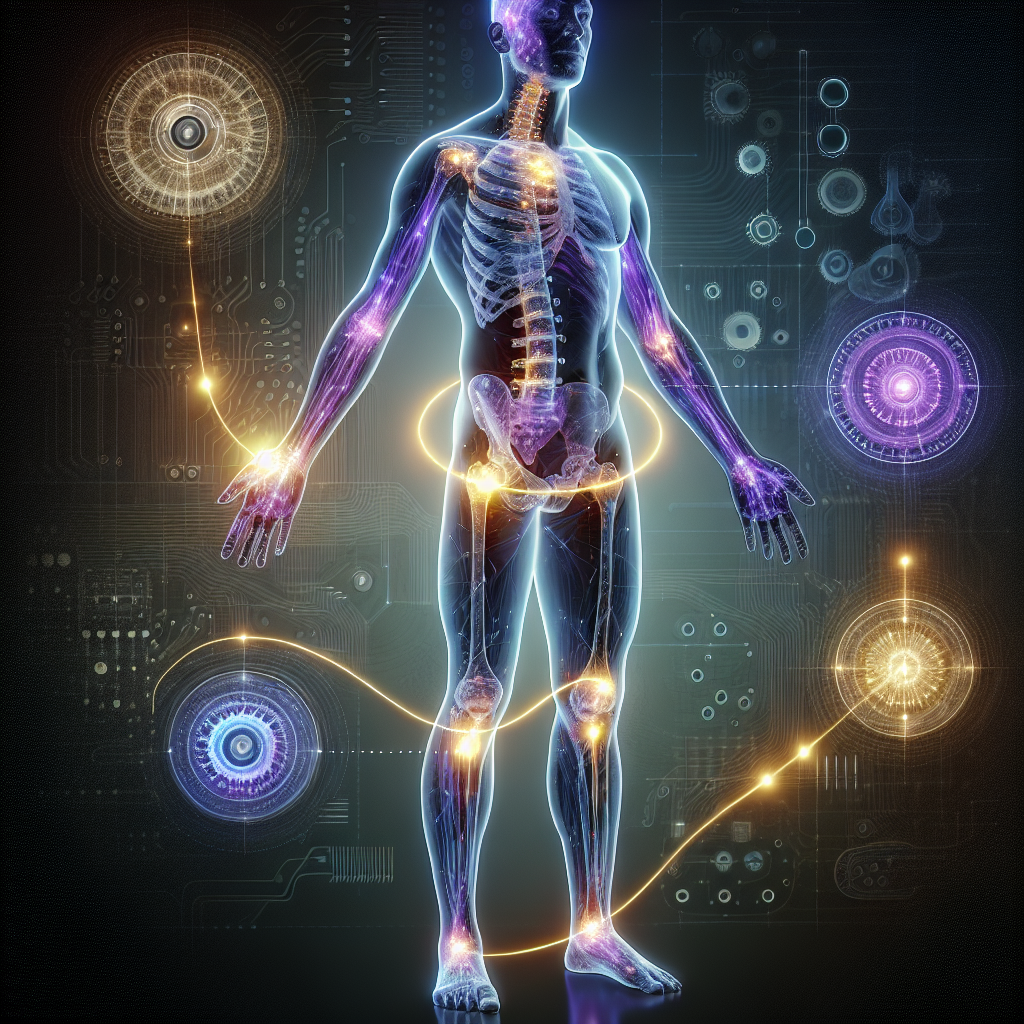
At its core, a sensorimotor feedback loop consists of sensory inputs, motor outputs, and the integration of these components through neural pathways. To break it down further:
- Sensory Input: This involves gathering information from the environment via receptors (e.g., vision, proprioception, etc.).
- Processing: The central nervous system (CNS) interprets these signals by correlating them with existing patterns and learned experiences.
- Motor Output: This results in a physical action based on the integrated sensory information.
The Importance of Feedback
Understanding Sensorimotor Feedback Loops: The Key to Precise Movement involves recognizing the critical role that feedback plays in this process. Feedback can be classified into two categories:
- Intrinsic Feedback: Internal signals received from sensory receptors during movement (e.g., how muscle fatigue feels).
- Extrinsic Feedback: Information from external sources, like a coach’s advice or performance metrics.
Case Study: The Elite Athlete
Consider a professional sprinter who has honed their skills over years of training. Their execution of the 100-meter dash relies on finely-tuned sensorimotor feedback loops. Perhaps they experience muscle fatigue, which they sense via intrinsic feedback, allowing them to adjust their stride and optimize energy use. Additionally, a coach may provide extrinsic feedback that helps refine their technique. This blend of intrinsic and extrinsic feedback ensures calibrated movements, leading to optimal performance.
The Mechanisms of Sensorimotor Feedback
The Neural Pathways
The neural pathways involved in sensorimotor feedback loops play a critical role in our ability to move precisely.
- The Brain: The motor cortex is primarily responsible for planning and executing movements.
- The Spinal Cord: Acts as a relay station, transmitting signals between the brain and muscles.
- Peripheral Nervous System: Connects the spinal cord to muscles and sensory organs, facilitating communication.
Table 1: Summary of Neural Components in Sensorimotor Feedback
| Component | Function | Importance |
|---|---|---|
| Motor Cortex | Planning and executing movements | Initiates voluntary actions |
| Spinal Cord | Signal relay for motor commands | Facilitates quick reflexes |
| Peripheral Nervous System | Connects CNS to muscles and organs | Ensures bodily responsiveness |
Types of Movements and Feedback Interaction
Understanding Sensorimotor Feedback Loops: The Key to Precise Movement also involves differentiating between types of movements, such as:
- Open-loop movements: Actions executed without feedback (e.g., a set of predetermined racing steps).
- Closed-loop movements: Actions adjusted based on feedback (e.g., a gymnast adjusting mid-air for a landing).
Real-World Applications
Rehabilitation and Physical Therapy
In the medical field, physical therapists leverage sensorimotor feedback loops for rehabilitation. Through techniques that include guided movements and real-time feedback, therapists help patients regain motor function. A study by the American Physical Therapy Association highlighted that integrating sensory feedback significantly improves recovery outcomes in stroke patients.
Case Study Analysis 1: Stroke Rehabilitation
A physical therapist may use a device that provides visual feedback on a patient’s balance and posture. As the patient practices standing on one leg, they receive instant updates on their progress, allowing for real-time adjustments to improve stability. This dynamic interaction showcases the practical application of understanding sensorimotor feedback loops and the empowerment of patients in their rehabilitation journey.
Enhancing Performance Through Training
Sports Training Programs: Optimizing Feedback Loops
Effective training programs in sports increasingly utilize sensorimotor feedback to optimize performance. Athletes are trained not only in physical conditioning but also in recognizing their sensory inputs and adjusting movements accordingly.
Table 2: Key Components of Sports Training Programs
| Training Element | Description | Feedback Type |
|---|---|---|
| Technique Drills | Repetitive practice of specific actions | Intrinsic Feedback |
| Video Analysis | Reviewing recorded performances | Extrinsic Feedback |
| Simulation Training | Mimicking competitive scenarios | Combination of Both |
Case Study Analysis 2: Tennis Training
In tennis training, players frequently watch videos of their gameplay to analyze their movements. This extrinsic feedback helps them adjust their techniques, showcasing the direct application of understanding sensorimotor feedback loops: the Key to Precise Movement.
Mental Training and Visualization
Mental training techniques, such as visualization, can enhance the efficacy of sensorimotor feedback loops. Athletes who visualize their performance engage their neural pathways, priming their physical responses.
The Role of Technology in Maximizing Sensorimotor Feedback
Wearable Technology and Apps
Recent advancements in technology have facilitated the application of sensorimotor feedback loops. Wearable devices monitor real-time biometric data, giving athletes crucial information that enables them to adjust their performance dynamically.
Example Tech Applications
- Heart Rate Monitors: Help athletes gauge exertion levels and adjust their training intensity accordingly.
- Motion Sensors: Track movements and provide data for techniques enhancement.
How Technology Supports Rehabilitation
In rehabilitation settings, technology, like motion capture, provides valuable feedback. Patients can visualize their movement patterns and receive instructions on how to improve, embodying the essence of Understanding Sensorimotor Feedback Loops: The Key to Precise Movement.
Conclusion
Understanding Sensorimotor Feedback Loops: The Key to Precise Movement reveals the intricate processes that underpin our ability to act with precision and grace. Whether in sports, rehabilitation, or daily tasks, the insights gained on feedback loops can enhance our physical performance dramatically.
As we harness the power of sensory feedback, we empower ourselves to excel, whether on the field or in recovery. The application of these principles has transformative potential, inspiring continuous improvement and the relentless pursuit of excellence.
FAQs
1. What are sensorimotor feedback loops?
Answer: Sensorimotor feedback loops are processes that involve sensory input, neural processing, and motor output, allowing for precise control of movements based on real-time feedback.
2. How can I apply these principles to enhance my athletic performance?
Answer: By integrating intrinsic and extrinsic feedback into your training, you can hone your movements. Consider working with coaches and utilizing technology for real-time feedback.
3. What is the difference between intrinsic and extrinsic feedback?
Answer: Intrinsic feedback comes from your body’s internal signals, while extrinsic feedback is provided by outside sources, such as coaches or tracking technology.
4. How does technology improve rehabilitation outcomes?
Answer: Technology offers real-time feedback on patients’ movements, enabling personalized and adaptive rehabilitation protocols that accelerate recovery.
5. Can these feedback loops be trained?
Answer: Yes, through consistent practice and mindful awareness of your movements, you can enhance your ability to utilize both intrinsic and extrinsic feedback effectively.
By educating ourselves and leveraging the power of sensorimotor feedback loops, we not only improve our physical capabilities but also enrich our understanding of the human body’s remarkable potential. Embrace this knowledge and witness the profound effects it can have in various aspects of life.


The PsyForU Editorial Collective is the research and editorial team of PsyForU Research International. The collective prepares educational, psychological, mental-health-awareness, inclusion, neurodiversity, and research-methodology content for students, parents, educators, researchers, and general readers. PsyForU content is intended for awareness, education, and capacity-building and should not be treated as clinical diagnosis, therapy, medical advice, legal advice, or emergency mental-health support.