


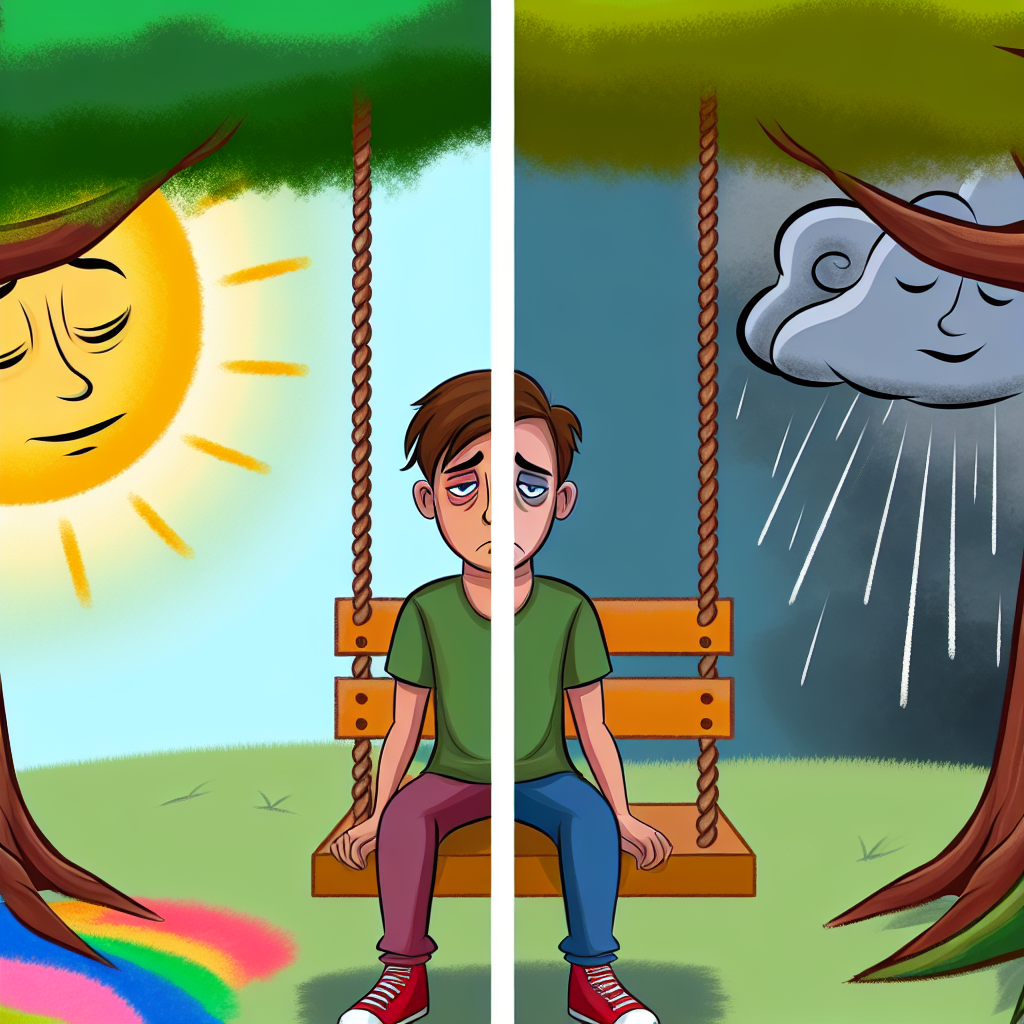
Understanding the Signs: Early Indicators of Bipolar Disorder in Teens
Introduction
Imagine being a teenager, caught in a whirlwind of emotions that seem to change as quickly as the weather. The teenage years are already a tumultuous period of growth, experimentation, and struggle for identity. However, when these emotional ups and downs escalate beyond typical adolescent behavior into something more profound, it raises a crucial question: Could it be bipolar disorder? Understanding the signs: early indicators of bipolar disorder in teens is essential for parents, educators, and peers to recognize and address these challenges effectively. This article delves deep into the early warning signs of bipolar disorder, shining a light on how to support teens in navigating these complex emotional landscapes.
What is Bipolar Disorder?
Before diving into the signs, it’s essential to understand what bipolar disorder is. Bipolar disorder, previously known as manic-depressive illness, is a mental health condition characterized by extreme mood swings that include emotional highs (mania or hypomania) and lows (depression). While it can develop at any age, many individuals first experience symptoms in their late teens or early adulthood.
Types of Bipolar Disorder
- Bipolar I Disorder: Defined by manic episodes lasting at least seven days, or by manic symptoms that are so severe that immediate hospital care is needed. Depressive episodes may also occur, typically lasting at least two weeks.
- Bipolar II Disorder: Characterized by a pattern of depressive episodes and hypomanic episodes but not the full-blown manic episodes that are typical of Bipolar I Disorder.
- Cyclothymic Disorder: Periods of hypomanic symptoms, along with periods of depressive symptoms lasting for at least two years (one year in children and adolescents).
Understanding the Signs: Early Indicators of Bipolar Disorder in Teens
1. Mood Swings
One of the most recognizable signs of bipolar disorder is mood swings. However, it’s important to differentiate between normal teenage angst and the more extreme fluctuations typical of bipolar disorder.
- Case Study: Sarah, a 15-year-old, was always considered moody by her parents. Following a particularly intense week where she switched from being incredibly energetic and sociable to emotionally withdrawn and irritable, her parents began to worry. This pattern repeated itself, leading them to seek professional advice.
Analysis: For Sarah, the shifts in mood were not just typical teenage behavior. Understanding the signs: early indicators of bipolar disorder in teens involves recognizing that these mood changes often disrupt daily functioning and relationships.
2. Changes in Energy Levels
Teens with bipolar disorder often experience drastic changes in energy levels. During manic phases, they may exhibit excessive energy, needing little sleep and engaging in reckless behaviors.
-
Table 1: Energy Levels in Bipolar Disorder Phase Description Sleep Needs Manic Excessive energy, racing thoughts 2-4 hours Depressed Low energy, fatigue 10-12 hours
3. Altered Sleep Patterns
Sleep disturbances are a common symptom of bipolar disorder. During manic episodes, teens may sleep very little, while during depressive episodes, they may oversleep.
- Case Study: Tom, a 17-year-old, would often stay awake until dawn during his manic episodes, fueled by an overwhelming sense of creativity. But during depressive phases, he found it hard to get out of bed.
Analysis: For caregivers, understanding the signs: early indicators of bipolar disorder in teens includes recognizing that altered sleep patterns can exacerbate symptoms and impact overall health.
4. Risky Behavior
Impulsive behavior is another hallmark of bipolar disorder, particularly during manic phases. Teens may engage in dangerous activities without considering the consequences.
- Example: A teenager might choose to drive recklessly, experiment with drugs, or engage in risky sexual behaviors.
5. Social Withdrawal
During the depressive phases, teens may withdraw from their social circles, lose interest in hobbies, and isolate themselves.
- Case Study: Emily, a once outgoing 16-year-old, suddenly stopped attending her after-school activities and refused to hang out with friends, leaving her parents confused and concerned.
Analysis: Social withdrawal can often be mistaken for typical teenage behavior, making it crucial to look deeper. Understanding the signs: early indicators of bipolar disorder in teens means paying attention to sudden shifts in social engagement.
6. Academic Challenges
Bipolar disorder can significantly impact academic performance. Teens may struggle with concentration during depressive states and may be overly ambitious during manic states, leading to inconsistency.
-
Table 2: Academic Performance Indicators Phase Impact on Academics Manic Hyper-focus on projects, poor planning Depressed Lack of motivation, missed deadlines
7. Irritability and Agitation
While mood swings may manifest as euphoria, they can also lead to significant irritability and agitation, particularly when a teen feels their mood is being questioned or challenged.
8. Self-destructive Behaviors
In severe cases, teens may exhibit self-harm or suicidal ideation, especially during depressive episodes. Awareness of these signs is critical.
- Case Study: John, a 19-year-old, expressed feelings of hopelessness during his depressive phases, leading to alarming behaviors that concerned his family.
How Can We Support Teens?
Recognizing these signs is a significant first step. However, support from family, friends, and professionals is equally vital.
Open Communication
Encouraging open communication helps teens feel safe to express their feelings. Parents should engage in non-judgmental conversations about mood changes or troubling behaviors.
Seeking Professional Help
When early indicators are recognized, seeking help from a mental health professional is crucial. Therapists can offer valuable coping strategies and treatment options, such as medication and therapy.
Creating a Supportive Environment
Creating an environment where teens feel understood and supported can mitigate some emotional turmoil. This includes open lines of discussion and providing stable routines.
Educating About the Disorder
Understanding the signs: early indicators of bipolar disorder in teens is not just about acknowledgment; it’s about education. Teaching the teen about their condition can empower them to manage their symptoms.
Conclusion
Understanding the signs: early indicators of bipolar disorder in teens is a journey that requires vigilance, empathy, and education. By recognizing the mood swings, energy changes, and alterations in sleep, as well as the effects on social and academic life, caregivers can play a pivotal role in the well-being of affected teens. Early intervention can lead to effective management, allowing teens to thrive in a challenging world. Let us inspire hope and resilience, reminding us that while bipolar disorder may present complex challenges, it is also a journey toward understanding and support.
FAQs
1. What should I do if I suspect my teen has bipolar disorder?
If you notice several signs, consult a mental health professional for a thorough evaluation and guidance.
2. Are there specific age ranges when bipolar disorder typically manifests?
Bipolar disorder can begin in late adolescence or early adulthood, but early symptoms can appear in childhood.
3. Can bipolar disorder be managed effectively?
Yes, with proper treatment, including counseling and medication, many individuals lead fulfilling lives.
4. Is there a genetic component to bipolar disorder?
Yes, genetics can play a role in the likelihood of developing bipolar disorder; family history is a significant risk factor.
5. How can teenagers cope with their symptoms?
Encouraging mindfulness, establishing a consistent routine, and building a support network can aid in managing symptoms effectively.
By staying informed and aware, we can provide the necessary support and empathy for teenagers navigating the complexities of bipolar disorder, allowing them to flourish despite their challenges.


The PsyForU Editorial Collective is the research and editorial team of PsyForU Research International. The collective prepares educational, psychological, mental-health-awareness, inclusion, neurodiversity, and research-methodology content for students, parents, educators, researchers, and general readers. PsyForU content is intended for awareness, education, and capacity-building and should not be treated as clinical diagnosis, therapy, medical advice, legal advice, or emergency mental-health support.