


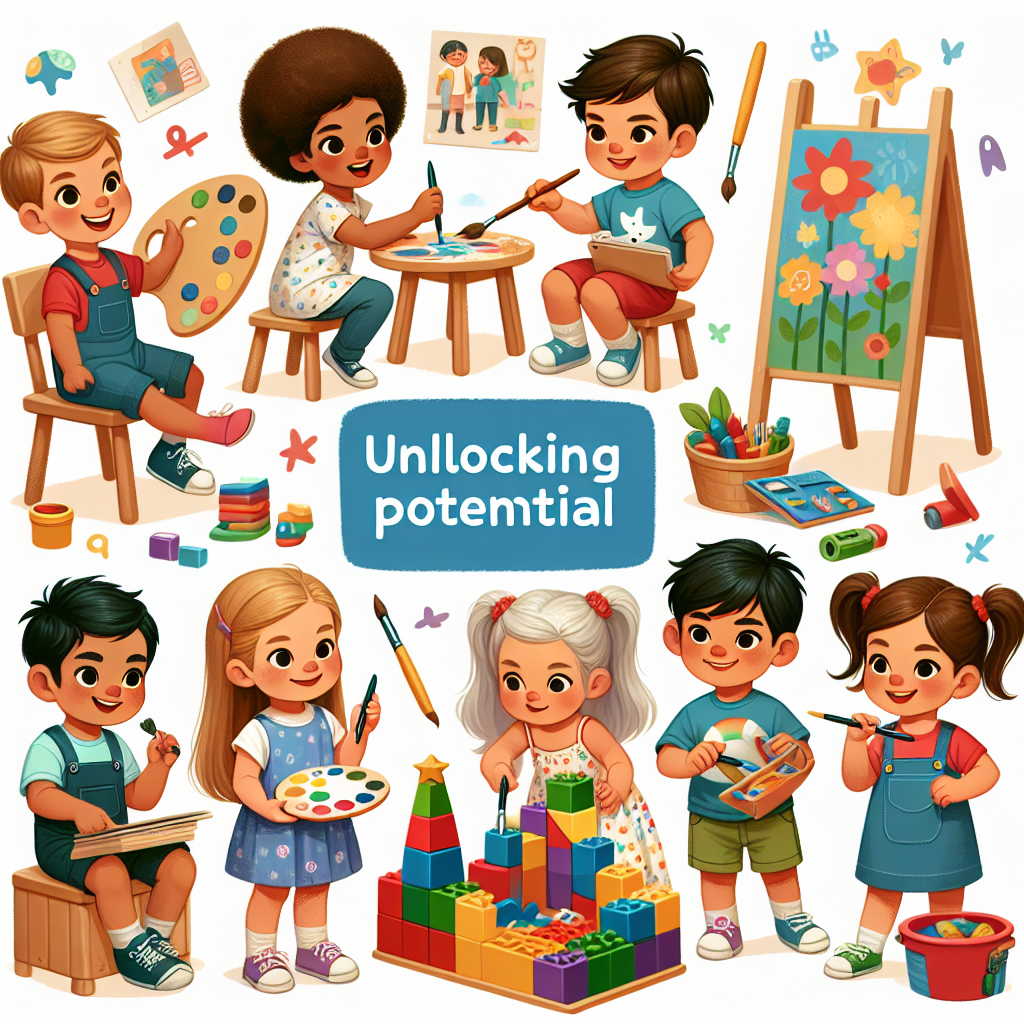
Introduction: The Power of Early Movement
Imagine a world where every child has the opportunity to run freely, climb mountains of imagination, and dance to the rhythm of life. Motor development is fundamental to a child’s overall growth, affecting their physical abilities, cognitive function, and emotional well-being. Unlocking potential: how to encourage healthy motor development in children is not just a call to action; it’s a commitment to nurturing the next generation.
In this article, we will explore the depths of motor development, uncover strategies that parents, caregivers, and educators can implement, and ultimately inspire a love for movement that paves the way for a brighter future.
The Importance of Motor Development
Motor skills are divided into two categories: gross motor skills, which involve large muscle movements (like running or jumping), and fine motor skills, which require smaller movements (like writing or buttoning clothes). Research shows that these skills are intertwined with cognitive and social development. For instance, a child who can master basic movements is more likely to engage in play with peers, fostering important social skills.
Key Stages of Motor Development
| Age Range | Gross Motor Milestones | Fine Motor Milestones |
|---|---|---|
| 0-12 Months | Rolling over, crawling | Grasping objects, transferring toys |
| 1-2 Years | Walking, climbing small furniture | Stacking blocks, scribbling |
| 2-3 Years | Running, jumping | Using a spoon, turning pages |
| 3-4 Years | Balancing on one foot, hopping | Drawing simple shapes, dressing dolls |
| 4-5 Years | Skipping, throwing a ball | Cutting with safety scissors, using crayons |
Strategies for Encouraging Healthy Motor Development
1. Create a Movement-Rich Environment
One of the simplest yet most effective strategies for unlocking potential: how to encourage healthy motor development in children is to create an environment abundant in opportunities for movement. Here’s how to get started:
- Indoor Activities: Designate a space with cushions, mats, and soft chairs where children can experiment with rolling, tumbling, and climbing.
- Outdoor Space: Ensure access to a safe outdoor area where children can run freely, ride tricycles, or play sports.
Case Study: The Playground Revolution
In a groundbreaking initiative in urban New York, local governments transformed underused parks into dynamic play areas featuring climbing walls, obstacle courses, and natural landscapes. After implementation, studies showed that children engaged in physical activities increased by 60%, highlighting the direct impact of accessible environments on motor skills development.
2. Incorporate Play-Based Learning
Play is the heart of childhood. Integrating play into developmental activities helps children refine their motor skills while learning.
- Building Blocks: Encourage children to build structures. This helps with fine motor skills, hand-eye coordination, and problem solving.
- Imitative Games: Engage in games like "Simon Says" to improve listening, coordination, and balance.
Case Study: The Montessori Approach
Montessori schools prioritize hands-on learning through play. In one notable study, Montessori children demonstrated significantly higher levels of motor proficiency compared to peers in traditional settings. This case highlights the value of a playful approach to learning in unlocking potential: how to encourage healthy motor development in children.
3. Encourage Structured Activities
While free play is essential, structured activities provide additional benefits by adding variety and challenge.
- Classes: Consider enrolling children in dance, gymnastics, or swimming classes to expose them to new movements and skills.
- Team Sports: Encouraging participation in team sports fosters gross motor development, but also teaches teamwork and social skills.
Case Study: The Impact of Team Sports
A survey conducted in schools found that children involved in team sports had better motor skills and greater self-esteem than their non-participating peers. Feedback from parents illustrated increased enthusiasm for physical activity, validating the positive effects of structured activities on motor development.
4. Foster Fine Motor Skill Development
Fine motor skills often get overshadowed by gross motor skills but are equally important. Here are some practical suggestions:
- Arts and Crafts: Provide art supplies such as crayons, scissors, and clay to encourage creative expression and refine motor skills.
- Puzzles and Board Games: Activities that require manipulation of small pieces can develop dexterity and patience.
Case Study: Crafting Connections
In a preschool in California, educators initiated a "craft week" dedicated to fine motor activities. Post-activity assessments showed an 80% improvement in fine motor skills for participating children, underlining how focused fine motor development strategies can yield significant results.
5. Be a Role Model
Children often mimic adult behavior. By prioritizing your own physical activity, you send a powerful message about the importance of movement.
- Family Activities: Engage in family walks, bike rides, or sports outings. This establishes a family culture centered around physical activity.
- Communication: Share your own experiences with movement—how it feels, what you love about it, and why it matters.
Case Study: Family Fitness
One compelling narrative involves a family that decided to train for a 5K run together. As they trained, the children’s enthusiasm for movement blossomed, and by race day, all family members participated. Their story highlights the importance of role modeling in unlocking potential: how to encourage healthy motor development in children.
The Role of Nutrition in Motor Development
While movement is crucial, nutrition also plays a vital role in the motor development journey. A balanced diet rich in vitamins, minerals, and proteins supports growth, energy levels, and overall health.
Nutritional Guidelines for Active Kids
| Food Group | Recommended Servings per Day |
|---|---|
| Fruits and Vegetables | 5 servings (combined) |
| Grains | 6-8 servings |
| Protein | 2-3 servings |
| Dairy | 2-3 servings |
Encouraging healthy eating habits can enhance physical activity levels, leading to better motor development outcomes.
Conclusion: Inspiring Future Generations
Unlocking potential: how to encourage healthy motor development in children is a journey that requires dedication, creativity, and a proactive approach. By creating environments rich in movement, fostering play and exploration, and serving as role models, we can pave the way for children to thrive physically, socially, and emotionally.
Motivation to Move
The end goal is simple: to inspire children to embrace movement as a joyful and integral part of life. The steps outlined in this article are not merely strategies; they are pathways to empower the future generation. As we unlock their potential, we ignite a passion for lifelong physical activity that can yield benefits for years to come.
FAQs
1. What are the signs of delayed motor development in children?
Children may show delayed motor development if they miss key milestones, such as not crawling by 12 months or not walking by 18 months. Consult with a pediatrician if you have concerns.
2. How much physical activity do children need daily?
Children should engage in at least 60 minutes of physical activity each day that includes a variety of aerobic, muscle-strengthening, and bone-strengthening activities.
3. How can I integrate motor development activities into daily routines?
Incorporate movement during daily tasks—like having children help with chores that involve reaching, bending, or balancing. Encourage games during downtime.
4. What role does screen time play in motor development?
Excessive screen time can lead to sedentary behavior, impacting motor skills. Aim to limit screen time to less than two hours per day for children over 2 years old and encourage physical alternatives.
5. At what age should I start encouraging motor development activities?
Encouraging motor development can begin in infancy. Simple activities like tummy time promote gross motor skills right from the start.
By implementing these practices, nurturing environments, and fostering joyful movement, we can truly make strides in unlocking potential: how to encourage healthy motor development in children.


The PsyForU Editorial Collective is the research and editorial team of PsyForU Research International. The collective prepares educational, psychological, mental-health-awareness, inclusion, neurodiversity, and research-methodology content for students, parents, educators, researchers, and general readers. PsyForU content is intended for awareness, education, and capacity-building and should not be treated as clinical diagnosis, therapy, medical advice, legal advice, or emergency mental-health support.