

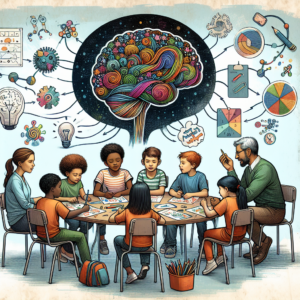

Unlocking Potential: Essential Strategies for Lesson Planning for Learners with Disabilities
Introduction
In an increasingly diverse educational landscape, the ability to unlock potential in every learner, especially those with disabilities, has never been more critical. The path to inclusivity is not simply about ticking boxes or meeting compliance standards; it’s about empowering students to thrive academically and socially. Unlocking Potential: Strategies for Lesson Planning for Learners with Disabilities is not just a catchphrase but a call to action for educators everywhere. As we delve into the intricacies of lesson planning tailored for learners with disabilities, we uncover strategies that can transform classrooms into spaces of innovation, support, and growth.
The Importance of Personalized Lesson Planning
Understanding that every learner has unique needs is pivotal. Research indicates that students with disabilities often excel in environments where instruction is differentiated and personalized. Recognizing their strengths, interests, and areas for growth leads to lesson plans that maximize engagement and outcome.
Understanding Diverse Needs
Types of Disabilities and Their Implications in Learning
1. Learning Disabilities
-
- Case Study: A student with dyslexia may struggle with reading fluency but can excel in oral communication activities. Tailoring lesson plans to utilize verbal and auditory tasks can engage the student effectively.
2. Physical Disabilities
-
- Strategy: Use adaptive technology to ensure access to materials and participation in class.
3. Emotional and Behavioral Disorders
-
- Analysis: Implement strategies that establish a safe, supportive environment, perhaps utilizing breaks or sensory tools to facilitate focus.
Table: Overview of Common Disabilities and Classroom Strategies
| Type of Disability | Characteristics | Effective Strategies |
|---|---|---|
| Learning Disabilities | Difficulty in processing information | Multisensory learning approaches |
| Physical Disabilities | Mobility challenges, fine motor skills issues | Accessible tools and resources |
| Emotional/Behavioral Disorders | Anxiety, attention difficulties | Structured routines, positive reinforcement systems |
| Autism Spectrum Disorder | Varied communication and social interaction styles | Visual supports, social stories |
Strategies for Lesson Planning
1. Set Clear, Achievable Goals
Starting with the end in mind is essential. Having clear, measurable objectives helps both educators and students track progress.
-
- Example: Instead of a broad goal like “improve reading skills,” specify “students will read a grade-level text and answer comprehension questions with 80% accuracy.”
2. Incorporate Universal Design for Learning (UDL)
UDL principles advocate for flexibility in teaching approaches. Offering multiple means of engagement, representation, and action can cater to diverse learners.
-
- Illustration: Use graphic organizers to help students visualize information, allowing for varied means of processing.
3. Foster a Collaborative Environment
Engaging parents, specialists, and peers creates a robust support system around each learner. Collaborative planning enhances lesson effectiveness.
-
- Implementation: Regular communication with special education teachers can guide adjustments in lesson plans to meet unique needs.
4. Use Technology Effectively
Incorporating technology offers innovative tools that can enhance learning for students with disabilities, allowing for personalized learning experiences.
-
- Example: Utilize applications that assist with organization or reading to support students directly in their learning processes.
5. Create an Inclusive Classroom Culture
Teaching students about diversity fosters empathy and understanding. Creating an atmosphere where all students feel valued is vital.
-
- Activities: Implement social-emotional learning (SEL) activities that promote understanding and help learners appreciate differences.
6. Continuous Assessment and Adjustment
Regularly assessing learner progress allows educators to customize lessons continually. Formative assessments serve as a check-in on understanding.
-
- Practice: Using exit tickets or quick quizzes can gauge comprehension and inform future lesson adaptations.
Case Studies Highlighting Effective Strategies
Case Study 1: The Use of Technology in the Classroom
A middle school implemented an iPad initiative that provided students with disabilities access to assistive technology. One student, who struggled with writing, began using speech-to-text software, allowing him to articulate ideas without the physical barrier of writing. The result? Improved confidence and a marked increase in participation during class discussions.
Analysis
This case exemplifies how Unlocking Potential: Strategies for Lesson Planning for Learners with Disabilities isn’t just theoretical. By identifying barriers and using technology to mitigate them, educators can create pathways for success.
Case Study 2: Collaborative Approaches
A high school in California established a mentoring program, pairing students with disabilities with peers. This initiative not only provided academic assistance but also fostered friendships. The students enjoyed increased engagement, and teachers noted improved classroom dynamics.
Analysis
By highlighting the importance of a supportive community, this case underscores the effectiveness of collaboration as a strategy in lesson planning for inclusivity.
Table: Successful Strategy Implementation Outcomes
| Strategy | Positive Outcomes |
|---|---|
| Use of Technology | Increased engagement and participation |
| Collaborative Learning | Enhanced peer relationships and social skills |
| UDL Implementation | Higher levels of comprehension and retention |
| Continuous Assessment | Tailored instruction leading to improved outcomes |
Conclusion
As we continue the journey toward unlocking the potential of learners with disabilities, the emphasis on tailored lesson planning cannot be overstated. Implementing effective strategies grounded in empathy, innovation, and collaboration can transform educational experiences for all students. By committing to these practices, educators not only fulfill their mission but also create classrooms that celebrate diversity and promote success.
Call to Action
As educators, let’s embrace the challenge of Unlocking Potential: Strategies for Lesson Planning for Learners with Disabilities. Together, we can create environments where every student not only learns but thrives.
FAQs
1. How can I identify the specific needs of my students with disabilities?
Answer: Conduct assessments, collaborate with special education professionals, and have open conversations with students and their families to gain insights into their unique needs.
2. What resources are available for teachers to assist learners with disabilities?
Answer: Many organizations offer free resources, including the Council for Exceptional Children (CEC) and the National Center on Accessible Educational Materials (AEM).
3. How can I incorporate parent feedback in lesson planning?
Answer: Regular communication through meetings, surveys, or informal check-ins allows parents to share their perspectives and insights, enhancing lesson planning.
4. Is it necessary to modify all lessons for students with disabilities?
Answer: Not necessarily. Tailoring lessons based on individual needs is crucial. Some students may thrive in the same class activities with minor adjustments, while others may require significant changes.
5. What role does technology play in lesson planning?
Answer: Technology can offer targeted support, facilitate engagement, and customize learning experiences, making it an essential tool in lesson planning for diverse learners.
6. How can I create a more inclusive classroom environment?
Answer: Foster a culture of respect and understanding, encourage peer interactions, and engage in activities that celebrate differences to build a more inclusive environment.
In closing, successful educational strategies that prioritize lesson planning can truly unlock the potential of learners with disabilities, fostering an environment where every student has the opportunity to succeed.

