


Introduction
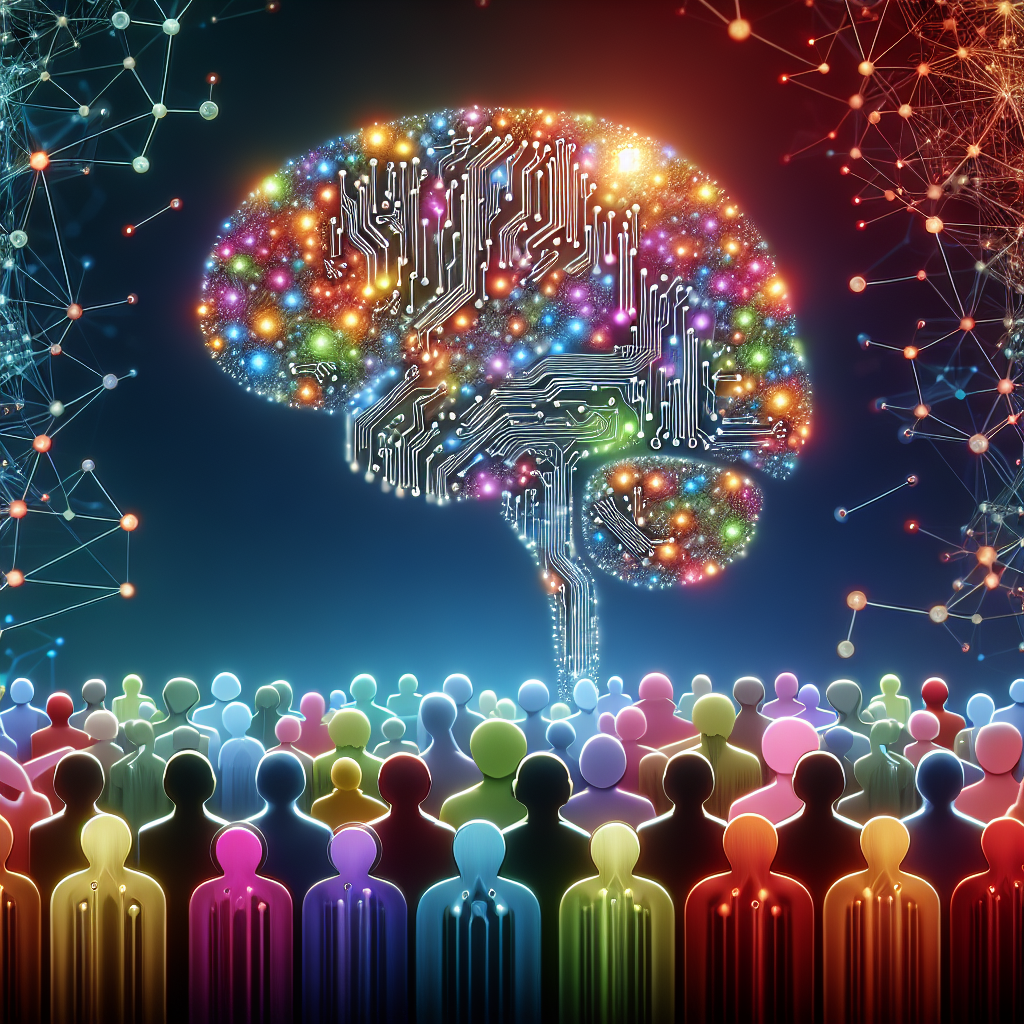
Imagine a world where the intricacies of the human brain are not just studied in isolation, but intertwined with the vibrant tapestry of society. The synergy between psychology and neuroscience opens up profound insights into human behavior, emotions, and cognition—concepts that resonate deeply within our social constructs. This exploration of When the Brain Meets Society: Bridging Psychology and Neuroscience aims to unravel how our understanding of the brain not only informs psychological theory but can also enhance societal outcomes. Essentially, it suggests that grasping the neurological underpinnings of behavior brings us closer to addressing societal issues, enriching the lives of individuals and communities.
The Interplay of Psychology and Neuroscience
Understanding Psychology
Psychology delves into the realms of human thought, emotion, and interaction. It seeks to understand behavioral patterns and mental processes. Various schools of thought, such as behavioral, cognitive, and humanistic psychology, provide frameworks for understanding why people act the way they do. Yet, psychology is often limited when it comes to explaining the biological substrates underlying these behaviors.
The Contribution of Neuroscience
Neuroscience, on the other hand, investigates the functioning of the nervous system. It employs tools such as fMRI, EEG, and neuroimaging to observe brain activity, providing a layer of biological understanding that psychology lacks. By combining these two fields, When the Brain Meets Society: Bridging Psychology and Neuroscience becomes a compelling narrative that advocates for a holistic understanding of human behavior.
Case Study: The Impact of Neuroscience on Therapy
Consider a therapy approach like Cognitive Behavioral Therapy (CBT). While CBT relies on psychological principles to modify behavior and thought patterns, incorporating neuroscience can enhance this process. Studies have shown that specific neural pathways are altered when patients engage in CBT. Understanding these changes equips therapists with knowledge on how to tailor their approaches more effectively.
Neural Basis of Social Behavior
Beauty of Social Neuroscience
Social neuroscience is a thriving field that investigates how brain activities correlate with social behavior. It answers questions such as: How does empathy manifest biologically? What happens in our brains when we experience social rejection?
The Role of Mirror Neurons
One fascinating discovery in this domain is the existence of mirror neurons. These neurons fire not just when you perform an action, but also when you observe someone else doing it. This biological basis of empathy suggests that When the Brain Meets Society: Bridging Psychology and Neuroscience gives us insight into the mechanisms driving our connections with others.
Case Study: Empathy and MRI Studies
A notable study by social neuroscientist Tania Singer utilized fMRI to explore the neural correlates of empathy. Participants’ brain activity was measured while they watched others in pain. The findings revealed that the anterior insula—a region associated with emotional awareness—showed heightened activity. This illustrates a direct link between neural activity and social emotions, validating the integration of psychology and neuroscience in understanding human relationships.
| Neuroimaging Findings | Action Observed | Brain Region Activated |
|---|---|---|
| Increased empathy | Witnessing pain | Anterior Insula |
| Increased reward response | Observing joy | Striatum |
Social Structures and Brain Function
Influence of Culture on the Brain
Culture plays a pivotal role in shaping both psychological practices and neurological structures. Different societies can activate distinct neural pathways, influencing behaviors and thought processes.
Cultural Neuroscience
Cultural neuroscience incorporates cultural contexts into brain research, leading us to re-evaluate our assumptions about universal behaviors. For example, collectivist societies may prioritize group harmony over individual desires, which can activate different brain regions than those activated by individuals in individualistic cultures.
Case Study: Cultural Differences in Decision-Making
Research conducted by cultural neuroscientists illustrated how East Asian and Western cultures approach decision-making differently. Functional MRI scans indicated that Eastern participants exhibited greater activation in brain regions associated with social context, while Western participants displayed heightened activity in areas linked to individual decision-making. This aligns with the concept of When the Brain Meets Society: Bridging Psychology and Neuroscience—demonstrating the complex interplay between our social environments and neurological functioning.
Applications in Mental Health and Well-Being
Integrated Approaches to Mental Illness
Understanding how the brain interacts with societal factors enables us to develop comprehensive approaches to mental health. By combining insights from psychology and neuroscience, we can design interventions that resonate both on biological and emotional levels.
Holistic Therapies
For instance, interventions for anxiety disorders now include mindfulness and neurofeedback, illustrating the marriage of psychological techniques and neuroscientific evidence. These approaches not only address symptoms but also the underlying neural circuits involved, supporting the notion of When the Brain Meets Society: Bridging Psychology and Neuroscience.
Case Study: Mindfulness and Brain Plasticity
A study by neuroscientist Sara Lazar involved participants who engaged in mindfulness meditation. MRI scans before and after the intervention revealed significant alterations in gray matter density in brain areas related to stress regulation and self-awareness. This transformational process exemplifies how bridging psychology and neuroscience can lead to more effective, evidence-based mental health practices.
Revolutionizing Education and Learning
Neuropedagogy: A New Frontier
The integration of neuroscience into educational psychology has fostered the development of neuropedagogy—an approach that emphasizes teaching strategies informed by brain research. This understanding allows educators to tailor their methods to optimize learning.
Brain Development and Learning Styles
Research demonstrates that different brain areas become active based on various learning styles. For example, visual learners may benefit from diagrammatic representations that fire up the visual cortex, while auditory learners may require more verbal engagement.
Case Study: Engaging Multiple Modalities
One compelling case study involved a classroom that utilized multi-sensory instruction. By integrating visual aids, hands-on activities, and discussions, students exhibited improved engagement and retention—underscoring how When the Brain Meets Society: Bridging Psychology and Neuroscience can enhance educational outcomes.
The Future of Societal Change
Policy and Governance
As psychology and neuroscience continue to merge, implications for policy and governance become evident. Understanding mental health from a biological perspective can lead to informed decisions regarding public health initiatives, educational curricula, and social justice.
Neuroethics: Navigating Challenges
However, as we tread this path, ethical considerations arise. The potential for misuse of neuroscience in manipulating behaviors poses challenges. Advocating for transparency and ethical guidelines is paramount as we forge ahead.
Conclusion
In closing, the fusion of psychology and neuroscience encapsulated in When the Brain Meets Society: Bridging Psychology and Neuroscience opens up unprecedented horizons for understanding the human experience. Through case studies and research, we see how integrating these disciplines enhances our understanding of individual behaviors and societal constructs. As we step into a future adorned with biowellness and holistic approaches, the marriage of these two fields will empower us not just as scholars but as compassionate individuals striving for societal well-being.
Let this journey inspire us to be advocates for a world where knowledge about the brain serves as a tool for empathy, understanding, and collective growth.
FAQs
1. What is the importance of bridging psychology and neuroscience?
Bridging psychology and neuroscience allows us to understand human behavior at both the cognitive and biological levels, informing more effective interventions for mental health and societal change.
2. How does culture influence brain functioning?
Culture can activate different neural pathways in the brain, affecting behaviors and emotional processing based on the social context of individuals.
3. Can neuroscience inform educational practices?
Yes, incorporating neuroscience insights into educational practices, a field often referred to as neuropedagogy, helps in tailoring teaching methods to fit various learning styles optimized for brain functioning.
4. What ethical concerns arise from neurological research in society?
Ethical concerns include the potential for misuse of neuroscience for manipulation or coercion, necessitating a robust framework to guide ethical practices in research and applications.
5. How can we apply these insights in everyday life?
Incorporating knowledge from neuroscience can enhance self-awareness and mental health practices, foster better communication within relationships, and inspire educational strategies that align with individual learning strengths.


Dr. Leah Howard, Positive Psychology
Dr. Howard is a researcher and advocate for positive psychology, focusing on human strengths, happiness, and well-being. Her writings explore how people can cultivate a positive mindset, improve resilience, and develop emotional intelligence to live fulfilling lives.