


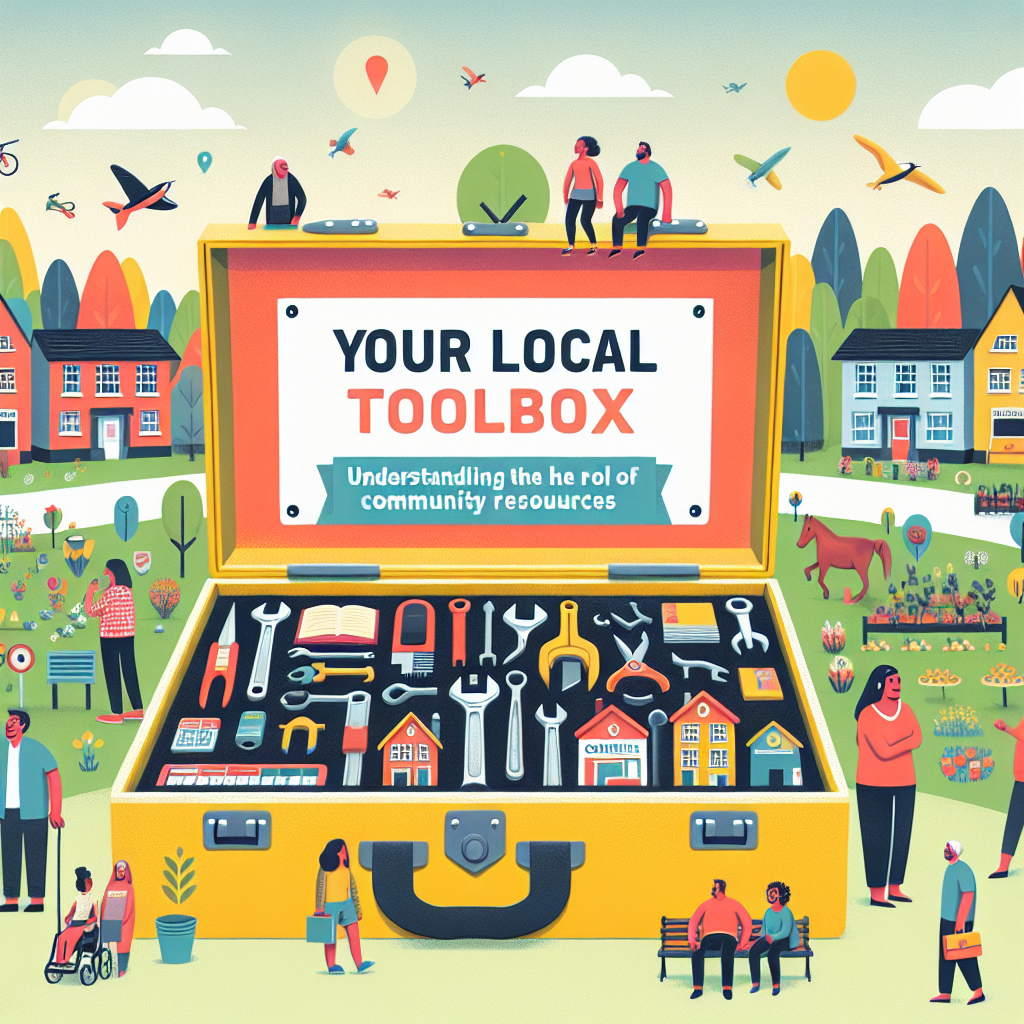
Introduction
Have you ever felt overwhelmed by the challenges of daily life? Whether you’re navigating job hunting, parenting, or health issues, community resources can serve as your ultimate ally. These local tools and services can empower individuals, strengthen families, and enhance the overall well-being of communities. In this exploration of Your Local Toolbox: Understanding the Role of Community Resources in Everyday Life, we will delve into how these resources shape our lives, provide support, and create a safety net for those in need.
Table of Contents
- What Are Community Resources?
- Types of Community Resources
- Educational Resources
- Health and Wellness Programs
- Employment Support
- Social Services
- The Impact of Community Resources on Personal Well-being
- Case Studies
- Case Study 1: Local Food Banks
- Case Study 2: Community Health Clinics
- Case Study 3: Job Training Programs
- Bringing Awareness to Community Resources
- Utilizing Your Local Toolbox
- Conclusion
- FAQs
What Are Community Resources?
Community resources refer to local services, programs, and networks that provide support, education, and assistance to individuals and families. These resources can vary widely, including libraries, educational institutions, healthcare clinics, social services, and recreational facilities. In essence, Your Local Toolbox: Understanding the Role of Community Resources in Everyday Life is about recognizing the myriad ways these services can aid us.
Importance of Community Resources
Understanding this toolbox is essential. It means knowing where to turn in times of need or uncertainty. These resources help foster resilience, enhance social well-being, and provide avenues for personal growth. They can also bridge gaps that may exist at various life stages and empower people to become more self-sufficient.
Types of Community Resources
The breadth of community resources can be overwhelming, but they generally fall into several broad categories.
Educational Resources
Educational resources include public libraries, community colleges, and after-school programs. They provide tools for lifelong learning, from literacy programs to vocational training.
Example:
- Public Libraries: Libraries often offer free workshops, access to technology, and resources for research, making them invaluable resources for community education.
Health and Wellness Programs
These resources comprise health clinics, mental health services, and wellness workshops. They play a vital role in ensuring community members have access to vital health information and services.
Example:
- Community Health Clinics: These often provide low-cost or free services to uninsured individuals, from routine check-ups to vaccinations.
Employment Support
Community employment services assist individuals in finding jobs, improving their resumes, and preparing for interviews. These resources help bridge the gap between education and employment.
Example:
- Job Training Programs: These programs often provide specific skills training that align with local job market needs, making participants more attractive to employers.
Social Services
Social services encompass a range of supports, from housing assistance to programs aimed at helping families in crisis.
Example:
- Food Assistance Programs: These services play an essential role in combating food insecurity and supporting families in need.
The Impact of Community Resources on Personal Well-being
Community resources extend beyond mere support systems; they can transform lives. By leveraging local services, individuals can experience significant improvements in their quality of life.
Psychological Benefits
Access to local resources can alleviate feelings of isolation and anxiety. Knowing that help is available fosters a sense of belonging and security. For many, these resources provide not only practical support but also emotional reassurance.
Economic Stability
Community resources often empower individuals economically. Whether it’s through job placement services, financial literacy workshops, or educational scholarships, these tools can change economic trajectories.
Enhanced Community Connections
Utilizing local services often leads to stronger community ties. Engaging with local organizations can foster friendship, collaboration, and community spirit, making neighborhoods feel safer and more welcoming.
Case Studies
Case Study 1: Local Food Banks
Background: In many urban centers, food banks play a crucial role in supporting vulnerable populations.
Impact: A study of a prominent food bank in Los Angeles found that not only did they distribute food, but they also provided nutritional education and cooking classes. Participants reported improved health and wellness due to both food access and education, illustrating how local resources can work synergistically.
Relevance: This case underscores the multifaceted role of food banks as more than just emergency resources, emphasizing their contributions to long-term health and community well-being.
Case Study 2: Community Health Clinics
Background: Community health clinics offer a range of services, often targeting low-income populations or those lacking insurance.
Impact: A report from a community health center in rural Kentucky showed that patients who regularly visited the clinic had better management of chronic conditions, leading to a significant reduction in hospital readmissions.
Relevance: This case exemplifies how healthcare-focused community resources can lead to broader public health benefits, saving costs for both the healthcare system and patients themselves.
Case Study 3: Job Training Programs
Background: A job training initiative in Chicago aimed to serve underemployed youth.
Impact: Participants underwent a six-month training program focused on developing skills in high-demand sectors like technology and healthcare. An impressive 75% found employment within three months of program completion.
Relevance: This example highlights the critical role of community resources in workforce development and economic empowerment, illustrating how they can dramatically impact individuals and families.
Bringing Awareness to Community Resources
Awareness is key when it comes to leveraging community resources. Here are some strategies to enhance awareness:
- Community Events: Organize fairs or workshops where local resources can showcase their offerings.
- Social Media Campaigns: Use platforms to share success stories and highlight services available.
- Collaboration with Schools: Schools can serve as a gateway, connecting students and families to invaluable resources.
Utilizing Your Local Toolbox
Understanding Your Local Toolbox: Understanding the Role of Community Resources in Everyday Life involves knowing how to effectively engage with these resources. Here are some practical steps:
- Research: Begin with a simple online search or a visit to the local library to identify available resources.
- Network: Talk to neighbors, friends, and local organizations. Word-of-mouth can provide insight into hidden gems.
- Involve Yourself: Participate in community volunteering to raise awareness and discover resources firsthand.
Conclusion
In every facet of daily life, community resources serve as indispensable tools for support, education, and empowerment. By understanding Your Local Toolbox: Understanding the Role of Community Resources in Everyday Life, you can unlock resources and services that can fundamentally improve your quality of life. Together, let’s embrace these tools for a brighter, more supportive community.
FAQs
1. What types of community resources are available?
Community resources typically include educational institutions, healthcare facilities, social services, and employment programs.
2. How can I access community resources?
You can research online, visit local libraries, or connect with community centers to learn more about available resources.
3. Are community resources only for low-income individuals?
No, while many resources aim to assist low-income individuals, many community resources are open to all members, providing services that can benefit everyone.
4. How do community resources contribute to public health?
Community resources like health clinics and wellness programs improve access to care, promote preventive health measures, and help manage chronic conditions.
5. Can I volunteer to support community resources?
Absolutely! Volunteering is a great way to give back and engage with resources in your community, helping to enhance their offerings and effectiveness.
By diving into Your Local Toolbox: Understanding the Role of Community Resources in Everyday Life, you are taking the first step toward enriching your life and the lives of those around you. Embrace your local toolbox; the support you seek is closer than you think!


The PsyForU Editorial Collective is the research and editorial team of PsyForU Research International. The collective prepares educational, psychological, mental-health-awareness, inclusion, neurodiversity, and research-methodology content for students, parents, educators, researchers, and general readers. PsyForU content is intended for awareness, education, and capacity-building and should not be treated as clinical diagnosis, therapy, medical advice, legal advice, or emergency mental-health support.