


Introduction
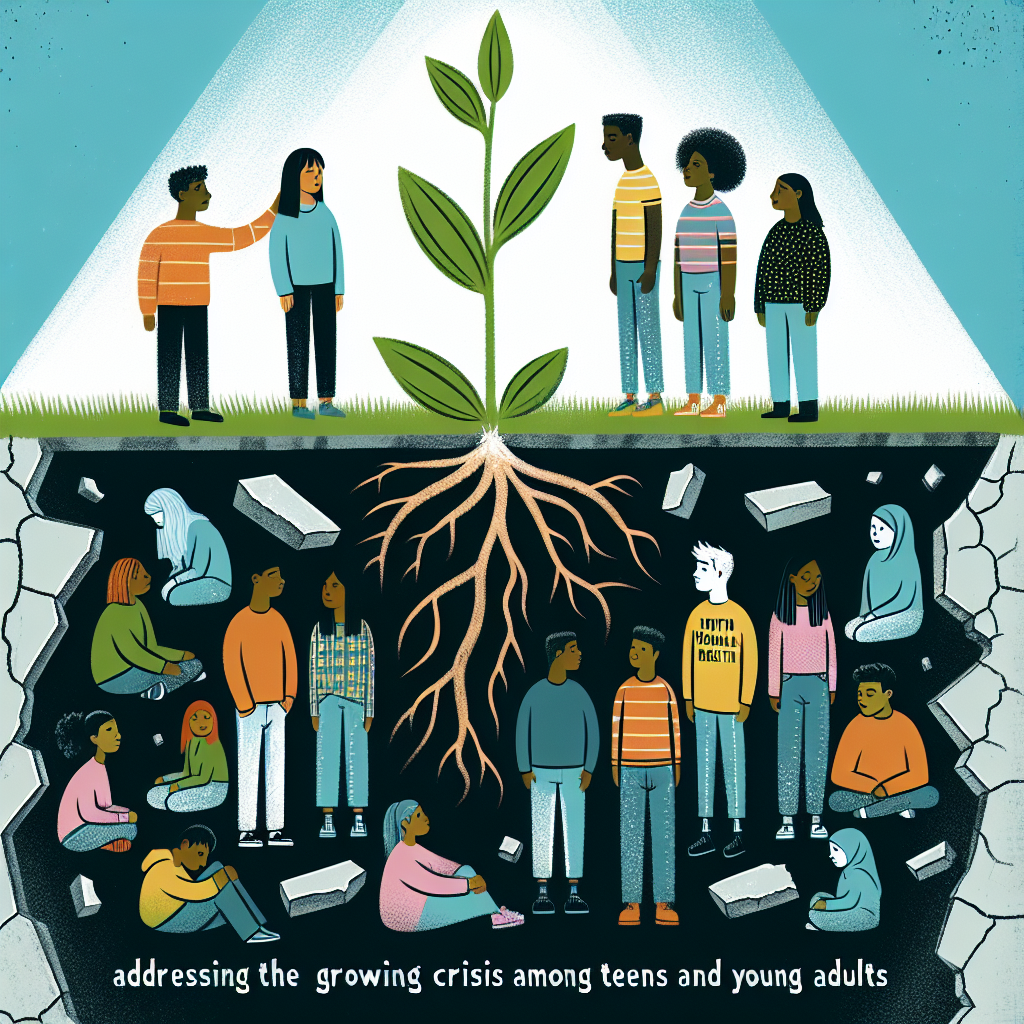
Imagine a world where every young person feels valued, understood, and equipped to cope with the challenges of life. Unfortunately, we are far from that ideal. The growing crisis surrounding youth mental health has reached alarming levels, with a significant percentage of teens and young adults facing anxiety, depression, and other psychological issues. The urgency to address this situation cannot be overstated. In this article, we will explore the essential aspects of Youth Mental Health: Addressing the Growing Crisis Among Teens and Young Adults, providing insights that are not only informative but also empowering.
Understanding the Crisis
The Statistics
Youth mental health has become a public health concern warranting immediate attention. According to the National Institute of Mental Health, 1 in 5 adolescents experiences a mental health disorder, yet only 20% of those affected receive the necessary treatment. This gap represents a significant issue, as untreated mental health disorders can lead to dire consequences, including substance abuse, self-harm, and even suicide.
Table 1: Mental Health Statistics Among Teens
| Mental Health Concern | Prevalence (%) |
|---|---|
| Anxiety Disorders | 31% |
| Depression | 13% |
| ADHD | 9% |
| Eating Disorders | 3% |
| Suicide Ideation | 18% |
Societal Influences
Several factors contribute to this increasing crisis in youth mental health:
- Social Media Pressure: The rise of social media has led to unrealistic comparisons and cyberbullying, significantly affecting young people’s self-esteem.
- Academic Pressure: The competitive nature of education today puts enormous stress on students, often leading to burnout.
- Global Events: The COVID-19 pandemic has reshaped the landscape of youth mental health, exacerbating feelings of isolation and anxiety.
Case Study: The Impact of Social Media on Mental Health
Background
A prominent case is that of Sarah, a 16-year-old high school student who struggled with anxiety severe enough to interfere with her daily life. An avid user of social media, Sarah found herself increasingly comparing her life to the curated posts of influencers, which led to a decline in her self-esteem.
Analysis
Sarah’s experience highlights a critical aspect of Youth Mental Health: Addressing the Growing Crisis Among Teens and Young Adults: digital environments can significantly influence mental health outcomes. Schools and parents can mitigate these effects by encouraging open conversations about social media, its impact, and healthy use.
The Role of Schools
Mental Health Education
An essential component of addressing youth mental health is integrating mental health education into school curriculums. Programs that teach students how to manage stress and recognize mental health issues can empower them to seek help when needed.
Case Study: School-Based Mental Health Programs
A middle school in California implemented a mental health curriculum designed to educate students about emotional well-being and coping strategies. Post-implementation surveys revealed a 40% increase in students feeling comfortable discussing mental health issues with trusted adults.
Support Systems
Schools should establish robust support systems, including mental health counselors and peer support groups, providing safe spaces for students to voice their concerns.
Family Dynamics
The Home Environment
The family plays a crucial role in shaping the mental health of young individuals. Families must communicate openly, fostering an environment where mental health discussions are normalized.
Tips for Parents
- Listen Actively: Ensure your child feels heard without judgment.
- Educate Yourself: Keep up-to-date on mental health issues to support your child effectively.
- Be Visible: Show up emotionally and physically in your child’s life, reinforcing their importance.
Community Involvement
Engaging Local Organizations
Communities can galvanize efforts to improve youth mental health through local initiatives, workshops, and support groups. Collaborative activities between schools, parents, and community organizations can create a unified approach to mental health education and services.
Case Study: Community Support Initiatives
A community initiative in Austin, Texas, focused on creating safe spaces for teens to gather, share their experiences, and access mental health resources. The program led to a 25% decrease in reported feelings of depression among participating teens over a year.
Addressing Stigma
Overcoming Barriers
Stigma surrounding mental health often deter youths from seeking help. Educating the wider population, including parents, educators, and peers, is crucial to dismantling these barriers.
Campaigns for Awareness
Public awareness campaigns focusing on youth mental health can drastically change perspectives. Schools can promote "Mental Health Awareness Week," where activities and discussions encourage acceptance and understanding.
The Role of Technology
Digital Mental Health Resources
The rise of digital technology has also paved the way for numerous mental health resources. Mobile applications designed for mental health management have become increasingly popular among teens.
Pros and Cons of Mental Health Apps
| Pros | Cons |
|---|---|
| Accessibility | Potential lack of professional guidance |
| Anonymity | Risk of unverified content |
| Variety of resources available | Over-reliance on digital solutions |
Case Study: Rising Popularity of Mental Health Apps
Teenagers who actively used mental health apps reported feeling more empowered to manage their mental health, with many stating they frequently utilized features like mood tracking and guided meditations.
Access to Professional Help
Importance of Early Intervention
The importance of early intervention in youth mental health cannot be stressed enough. Schools and communities must collaborate to provide accessible resources for mental health professionals.
Breakdown of Resources
- School Counselors: Trained professionals can provide immediate support and connect students with additional resources.
- Community Health Centers: Many areas have centers offering free or low-cost mental health services to youth.
- Telehealth Services: The rise of telehealth has made mental health services more accessible, especially for those in remote areas or with transportation issues.
Case Study: Telehealth Success Stories
A recent initiative allowed teens in rural areas to access mental health counseling via telehealth. Results showed a 50% increase in appointments made by teenagers who previously struggled to access care.
Building Resilience
Encouraging Coping Strategies
Teaching young individuals healthy coping strategies is essential for their mental health resilience. Skills such as mindfulness, stress management, and emotional regulation can significantly boost young people’s ability to handle life’s challenges.
Programs to Build Resilience
Schools and community programs can develop resilience-building activities that promote teamwork, problem-solving, and emotional intelligence.
Conclusion
Youth Mental Health: Addressing the Growing Crisis Among Teens and Young Adults is not just a matter for professionals; it requires the collective effort of families, schools, and communities. By fostering open discussions, providing resources, and creating supportive environments, we can empower our youth to navigate their mental health challenges confidently. As we take steps toward these collective changes, remember that every conversation, every program, and every act of kindness counts—we can create a brighter future for the mental health of our youth.
FAQs
1. What are the signs of mental health issues in teens?
Common signs include changes in mood, withdrawal from friends and activities, a decline in school performance, and changes in sleep or eating habits.
2. How can parents support teens struggling with mental health?
Active listening, maintaining open communication, and educating themselves about mental health are key ways parents can support their children.
3. Are there effective resources for youth mental health?
Yes, numerous resources are available, including school counselors, community health organizations, and mental health apps.
4. How can schools improve student mental health?
By integrating mental health education, providing access to counselors, and fostering a supportive environment, schools can significantly enhance student well-being.
5. What role does social media play in youth mental health?
Social media can have both positive and negative effects, influencing self-esteem and social connections while also posing risks like cyberbullying and unrealistic comparisons.
By tackling Youth Mental Health: Addressing the Growing Crisis Among Teens and Young Adults, we elevate our approach to this critical issue. Sharing knowledge, resources, and support will empower the next generation to thrive mentally, emotionally, and socially.


Dr. Leah Howard, Positive Psychology
Dr. Howard is a researcher and advocate for positive psychology, focusing on human strengths, happiness, and well-being. Her writings explore how people can cultivate a positive mindset, improve resilience, and develop emotional intelligence to live fulfilling lives.