The Ultimate Guide to Adaptive Learning: Tailoring Technology to Meet the Needs of Students with Learning Disabilities
Introduction
In today’s education landscape, the imperative of inclusive learning environments has never been more pronounced. As we strive to ensure that every student has the opportunity to succeed, adaptive learning emerges as a beacon of hope, particularly for those grappling with learning disabilities. The intersection of technology and education offers unprecedented methods for tailoring instruction to meet individual needs. This article explores adaptive learning: tailoring technology to meet the needs of students with learning disabilities, providing insights, case studies, and practical applications that can reshape educational experiences.
Understanding Adaptive Learning
What is Adaptive Learning?
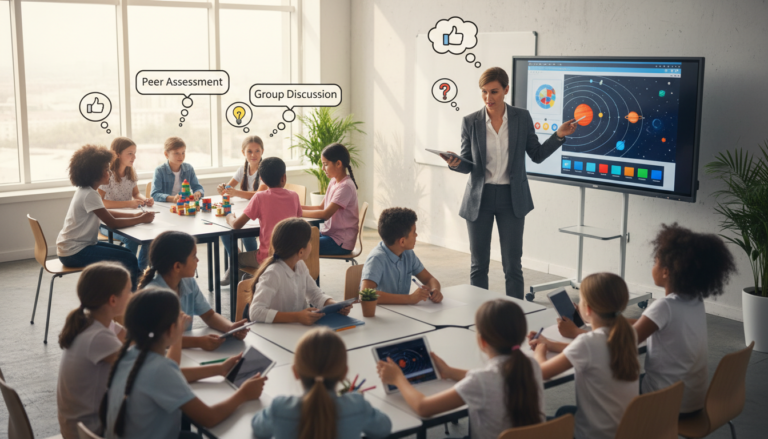
Adaptive learning is an educational approach that utilizes technology to personalize the learning experience. By assessing a learner’s strengths and weaknesses, adaptive learning systems adjust content and pacing to fit each student’s unique needs. This becomes particularly crucial for students with learning disabilities, who often require customized resources and strategies to thrive in a classroom environment.
Key Features of Adaptive Learning Technology
Real-Time Assessment: Adaptive learning tools continuously evaluate a student’s understanding and proficiency, allowing for timely interventions and modifications to the learning material.
Personalized Learning Paths: Instead of a one-size-fits-all approach, adaptive learning creates tailored curricula based on individual progress, interests, and skills.
- Engagement: Through gamification and interactivity, adaptive learning platforms engage students more effectively than traditional methods, fostering a love for learning.
Relevance for Students with Learning Disabilities
Students with learning disabilities often face unique challenges that can hinder their educational progress. Traditional learning environments, which might not take these challenges into account, can leave many behind. By implementing adaptive learning: tailoring technology to meet the needs of students with learning disabilities, educators can create supportive frameworks that help these students succeed.
Case Studies
Case Study 1: DreamBox Learning
Overview: DreamBox Learning is an adaptive math program designed for K-8 students. It personalizes educational experiences based on real-time assessments and student interactions.
Relevance: A student struggling with dyscalculia showed significant improvement—moving from below grade level to on grade level—with personalized mathematical content that adjusted to their pace and preferred learning style. This case illustrates how adaptive learning technology can effectively address the needs of students with specific learning disabilities.
Case Study 2: Achieve3000
Overview: Achieve3000 is an online reading platform that differentiates content based on individual reading levels, interests, and proficiencies.
Relevance: In a classroom of diverse learners, a student with dyslexia accessed materials at a lower reading level that still covered the same essential topics as their peers. This not only built their confidence but also bridged participation gaps during group discussions, showcasing how adaptive learning can foster inclusivity.
The Role of Technology in Adaptive Learning
Learning Management Systems (LMS)
- Functionality: An LMS offers a central hub for accessing adaptive technologies that support personalized learning experiences.
- Example: Platforms like Canvas and Moodle incorporate adaptive learning elements that help educators customize content for students with disabilities.
AI-Powered Tools
Artificial Intelligence (AI) takes adaptive learning further by analyzing data to predict learning behaviors. These tools can identify when a student is struggling and provide adaptive resources tailored to their needs.
Interactive Software
Interactive software applications often include features such as timed responses, immediate feedback, and adaptive quizzes that help students with learning disabilities engage actively with the content.
Benefits of Adaptive Learning for Students with Learning Disabilities
Individualized Instruction
By tailoring learning experiences to each student, adaptive learning addresses the distinct challenges faced by those with disabilities. This personalized instruction is vital for helping these students build competency at their own pace.
Flexibility and Independence
Adaptive learning empowers students to take charge of their learning journey, promoting greater independence and motivation. This flexibility enables learners to revisit challenging concepts as needed without the pressure of keeping up with their peers.
Measurable Progress
The data-driven nature of adaptive learning allows educators to track progress meticulously. Regular updates provide insights into the effectiveness of teaching strategies, allowing educators to pivot approaches when necessary.
Improved Engagement
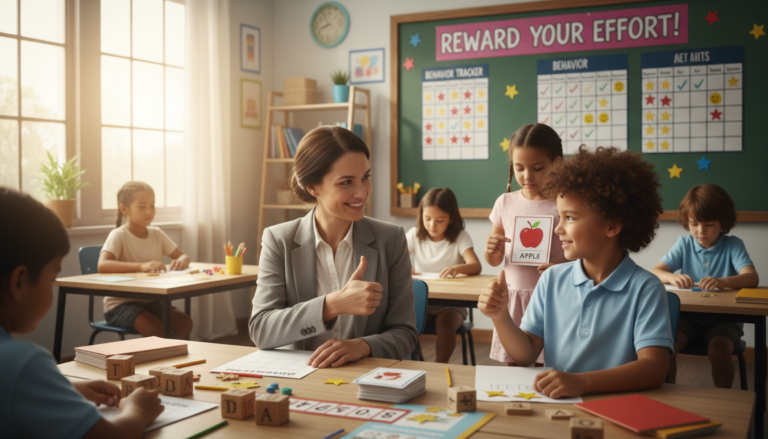
Adaptive technologies often employ gamified elements that enhance student engagement. For students with learning disabilities, an engaging platform can make learning more enjoyable, ultimately improving retention rates and academic performance.
Challenges and Considerations
Accessibility
While adaptive learning technology holds immense promise, accessibility remains a significant concern. Ensuring that all students can access adaptive tools, regardless of their specific learning disabilities, is essential for true inclusivity.
Professional Development for Educators
Teachers must become proficient in utilizing adaptive learning tools effectively. Continuous professional development ensures that educators can integrate these technologies seamlessly into their teaching practices.
Cost Implications
Implementing adaptive learning technologies can be costly. School districts may struggle with funding, but investing in adaptive resources often pays off through improved student outcomes.
Practical Steps for Implementation
Selecting the Right Tools
Educators should thoroughly research adaptive learning platforms to find solutions that align with their students’ needs. Factors to consider include customization options, user-friendliness, and support resources.
Training and Support
Schools should provide training for teachers on how to implement adaptive learning technologies effectively. This training may include workshops, online courses, or mentorship programs.
Involving Stakeholders
Incorporating input from parents and students during the selection and implementation process can offer invaluable perspectives. Their experiences help shape adaptive learning systems to better meet student needs.
Conclusion
Adaptive learning: tailoring technology to meet the needs of students with learning disabilities is not just a concept—it’s a powerful movement towards a more inclusive educational future. By leveraging advanced technologies and personalized strategies, educators can create nurturing environments that harness the potential of all students, no matter their learning challenges.
As we cultivate adaptive learning systems, we must remain vigilant and proactive, prioritizing the voices of students and seeking continuous improvement. This journey will not only revolutionize education for those with learning disabilities but will also enrich the broader educational framework, creating a more inclusive society.
Frequently Asked Questions (FAQs)
1. What is adaptive learning?
Adaptive learning is an educational approach that uses technology to personalize learning experiences based on individual student needs, strengths, and weaknesses.
2. How can adaptive learning benefit students with learning disabilities?
Adaptive learning offers personalized instruction, flexibility, independence, and measurable progress, significantly benefiting students with learning disabilities.
3. What are some popular adaptive learning tools?
Some popular adaptive learning tools include DreamBox Learning for math, Achieve3000 for reading, and various Learning Management Systems (LMS).
4. Are adaptive learning technologies accessible to all students?
While adaptive technologies aim to be inclusive, accessibility is a critical consideration that must be addressed by educators and developers alike.
5. How do I implement adaptive learning in my classroom?
To implement adaptive learning, educators should select appropriate tools, undergo training, and involve stakeholders in the process to ensure alignment with student needs.
By focusing on adaptive learning: tailoring technology to meet the needs of students with learning disabilities, we embrace a future where all students can achieve their fullest potential, irrespective of their challenges. Together, let’s champion inclusivity and innovation in education.
About the Author


Dr. Leah Howard, Positive Psychology
Dr. Howard is a researcher and advocate for positive psychology, focusing on human strengths, happiness, and well-being. Her writings explore how people can cultivate a positive mindset, improve resilience, and develop emotional intelligence to live fulfilling lives.