Empowering Every Learner: The Proven Role of Classroom Accommodations for Learning Disabilities
Introduction
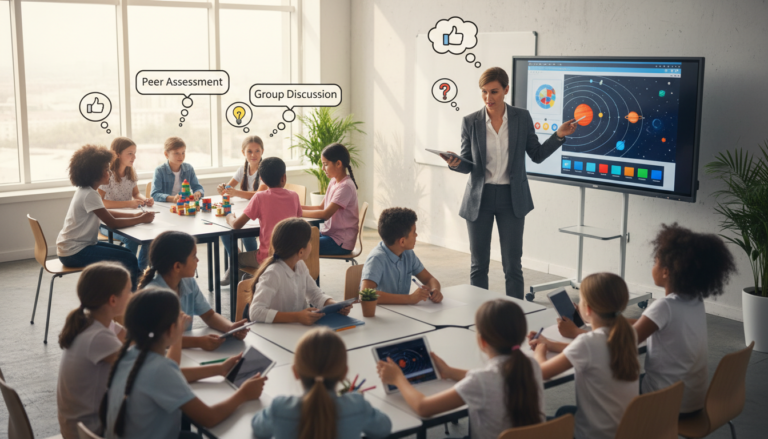
Imagine a classroom where every child, regardless of their challenges, feels empowered to learn. A space where individualized strategies dissolve barriers, transforming struggles into successes. This vision isn’t just a dream; it’s a reality made possible through thoughtful classroom accommodations. Empowering Every Learner: The Role of Classroom Accommodations for Learning Disabilities is not merely a slogan; it is a commitment to inclusivity, equality, and excellence in education.
In today’s diverse educational landscape, it is essential to embrace methods that acknowledge and cater to the varying needs of learners. According to the National Center for Learning Disabilities (NCLD), approximately 1 in 5 students has a learning disability, impacting their ability to grasp fundamental academic concepts. The challenge is not the students but our approach to teaching. Let’s explore how accommodations tailored to individual needs can empower every learner and create a rich, inclusive learning environment.
Understanding Learning Disabilities
What Are Learning Disabilities?
Learning disabilities are neurological disorders that affect the brain’s ability to receive, process, store, and respond to information. These disabilities can manifest in various forms, including dyslexia, dyscalculia, and ADHD, among others. Each type presents distinct challenges, but the common thread links them: unmatched potential waiting for suitable support and accommodations.
The Importance of Early Identification
Early identification of learning disabilities is crucial for effective intervention. Research indicates that when children receive timely support, their learning trajectory significantly improves. According to the NCLD, early interventions can close achievement gaps and empower every learner to fulfil their academic potential.
The Power of Classroom Accommodations
What Are Classroom Accommodations?
Classroom accommodations are changes in teaching methods, assessments, or environments designed to support students with learning disabilities. Accommodations do not change what a student is expected to learn but alter how they demonstrate that knowledge.
Types of Accommodations
Accommodations can be categorized into several types:
- Presentation Accommodations: These might include providing materials in multiple formats (e.g., audio, visual, tactile).
- Response Accommodations: Allowing students to demonstrate knowledge in various ways, such as oral presentations instead of written essays.
- Setting Accommodations: Changing the physical environment, like providing a quiet space for tests or allowing flexible seating.
- Timing Accommodations: Extended time on tests or assignments to reduce pressure and allow adequate processing.
- Organization Accommodations: Using planners or digital tools to help with task management and organization.
Case Study: Mia’s Journey
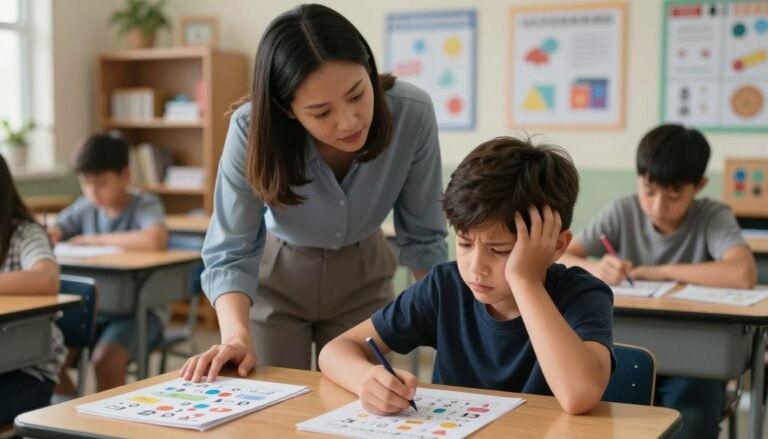
Mia, a 10-year-old diagnosed with dyslexia, struggled with reading comprehension and often felt frustrated and overwhelmed in class. After collaborating with her educators, a tailored accommodation plan was created for her. This included audio-assisted reading materials and the option to express knowledge through oral presentations rather than written tests. The results were remarkable; Mia’s confidence soared, and her academic performance improved significantly.
Analysis of Mia’s Case
Mia’s journey highlights the vital role that tailored accommodations play in leveling the academic playing field. Her story is a testament to how individual strategies can transform a child’s experience in school, emphasizing that with the right support, every learner can thrive.
Building a Supportive Learning Environment
Encouraging an Inclusive Culture
Creating a classroom environment that fosters inclusivity goes beyond physical accommodations; it encompasses the entire educational culture. Educators must cultivate an atmosphere where all students feel valued and understood.
- Professional Development: Regular training for teachers on learning disabilities and effective accommodations are essential.
- Peer Support Programs: Structured programs where students support each other can enhance social skills and build a sense of community.
Leveraging Technology
In our tech-driven world, digital tools are revolutionizing education. From interactive learning apps to task management software, these resources can significantly aid students with learning disabilities. For instance, tools like speech-to-text software help students articulate their thoughts without being hindered by writing difficulties.
Measuring the Effectiveness of Accommodations
Data-Driven Decisions
To fully understand the impact of classroom accommodations, educators must collect and analyze data on student performance and engagement. Tools such as formative assessments, surveys, and interviews can provide insights into what’s working and what needs adjustment.
Continuous Improvement Loop
A systematic approach to monitoring the effectiveness of classroom accommodations creates a continuous improvement loop. Teachers can refine strategies based on student feedback, promoting an adaptive learning environment.
Conclusion
Empowering every learner hinges on understanding the vital role of classroom accommodations for learning disabilities. Educators hold the keys to unlock the potential within each student through individualized strategies, robust support systems, and inclusive classroom environments. While challenges may arise, the solution lies in commitment and creativity.
Together, educators, parents, and communities can champion a transformative educational ecosystem where every child can thrive. As we embrace these accommodations, we also embrace a profound truth: when we empower every learner, we enrich our world.
FAQs
1. What are some common signs of a learning disability?
Common signs include difficulties with reading and writing, trouble following directions, challenges in organizing thoughts, and inconsistencies in academic performance.
2. How can I support a child with a learning disability at home?
Encourage open communication, provide a structured routine, use educational games and resources, and seek professional guidance if necessary.
3. Are classroom accommodations the same for every student?
No, accommodations should be tailored to each student’s specific needs, strengths, and challenges.
4. How can teachers effectively implement accommodations?
Teachers can collaborate with special educators for insights, utilize assessment data, and engage in ongoing training to understand best practices.
5. What role do parents play in supporting classroom accommodations?
Parents should advocate for their child’s needs, collaborate with educators, and ensure that their child understands and utilizes available accommodations.
6. Can accommodations change over time?
Yes, accommodations can and should evolve as students grow, gain more skills, and tackle new academic challenges.
Empowering Every Learner: The Role of Classroom Accommodations for Learning Disabilities is a continuous journey filled with opportunities for growth and success. Let’s commit to ensuring that every learner receives the support they deserve.
About the Author


Dr. Leah Howard, Positive Psychology
Dr. Howard is a researcher and advocate for positive psychology, focusing on human strengths, happiness, and well-being. Her writings explore how people can cultivate a positive mindset, improve resilience, and develop emotional intelligence to live fulfilling lives.