Introduction
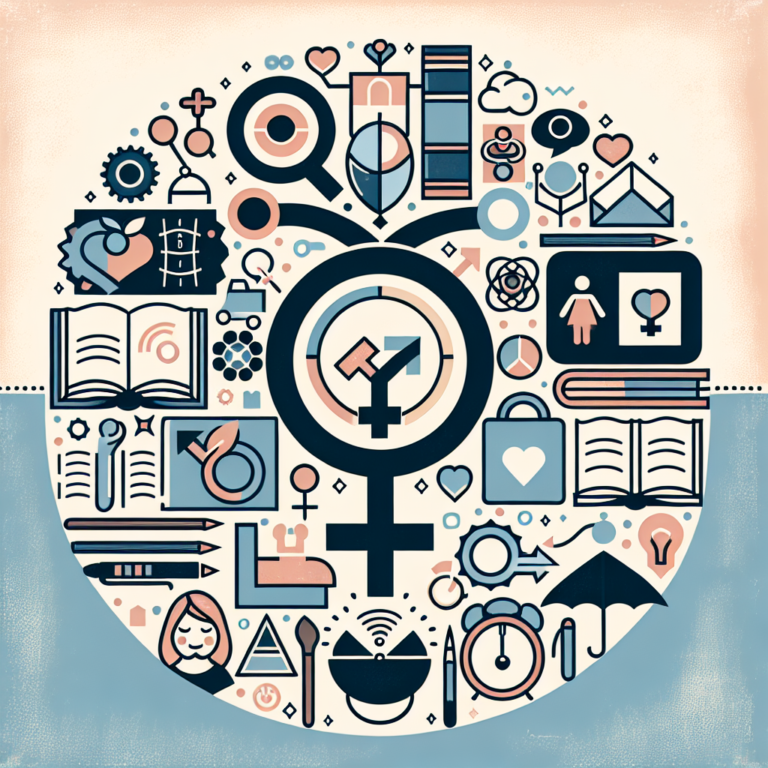
In a world that often clings to rigid definitions of beauty, a quiet revolution is taking place. The emergence of androgyny as a multifaceted expression of identity is not just a trend; it is a movement that challenges conventional norms. As society evolves, so too do our perceptions of gender and beauty, leading us to ask: What does it mean to be truly beautiful? In this article, we’ll explore Challenging the Norm: How Androgyny is Transforming Beauty Standards, diving deep into cultural shifts, impactful figures, and the meaningful conversations that are reshaping our understanding of beauty in profound ways.
The Rise of Androgyny: A Brief Historical Perspective
Androgyny Through the Ages
Before delving into contemporary examples of androgyny, let’s take a moment to reflect on its historical roots. Androgyny has surfaced in various forms throughout history, from ancient Greece’s Hermaphroditus to the ornate and gender-fluid attire of the Renaissance. These examples illustrate that the blend of masculine and feminine traits has always existed, even if it has not always been celebrated.
The Modern Landscape
The last few decades have seen an explosion of interest in androgyny, fueled by cultural icons breaking the mold. From David Bowie in the 1970s to today’s supermodels like Adwoa Aboah and artists like Billie Eilish, androgyny is resonating deeply with a new generation.
The Concept of Beauty: Evolving Definitions
Diversity in Representation
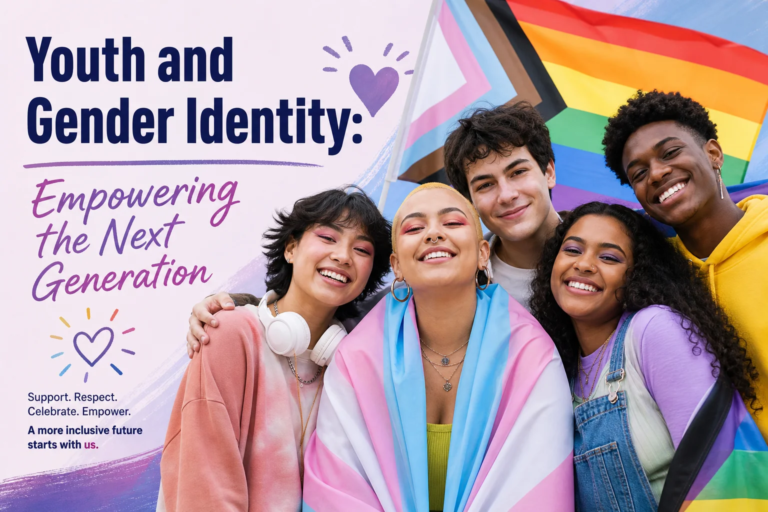
Traditionally, beauty standards have heavily leant towards hyper-feminine or hyper-masculine ideals, often excluding a vast spectrum of identities. However, Challenging the Norm: How Androgyny is Transforming Beauty Standards emphasizes the need for more inclusive representations. LGBTQ+ activists and gender theorists advocate for a broader understanding of beauty that transcends binary ideals.
Case Study: The Impact of the 2019 Met Gala
The 2019 Met Gala showcased androgyny on an unprecedented scale. Celebrities like Billy Porter and Janelle Monáe defied gender norms with outfits that celebrated fluidity. This moment demonstrated how androgyny can challenge traditional beauty standards, amplifying voices that have historically been marginalized.
The Role of Social Media
Social media platforms have amplified diverse beauty standards, making it easier for individuals to express themselves authentically. Hashtags like #GenderNeutral, #Androgyny, and #Fluidity are trending, fostering a space where androgynous figures can flourish. This has also led to a democratization of beauty, where followers of various identities come together to discuss what beauty means to them.
Table: Influential Androgynous Figures on Social Media
| Name | Platform | Followers | Influence |
|---|---|---|---|
| Billie Eilish | 100M+ | Advocated for self-expression and authenticity | |
| Jaden Smith | 12M+ | Redefining masculinity through personal style | |
| Indya Moore | 450K+ | Championing trans and non-binary visibility |
Challenging Gender Norms Through Fashion
The Fashion Industry’s Shift
Fashion is a prime arena for challenging the norm. Designers like Rick Owens and brands like Gucci are increasingly blurring the lines between masculine and feminine attire. This shift reflects a broader cultural acceptance of androgyny, showcasing how clothing can exist outside rigid gender norms.
Case Study: Gender-Neutral Fashion Lines
Brands like Telfar and Collina Strada are leading the charge in androgynous fashion. Telfar’s unisex designs have proven popular among consumers regardless of gender, contributing to the discussion of Challenging the Norm: How Androgyny is Transforming Beauty Standards. A 2021 survey indicated that 57% of millennials prefer gender-neutral clothing, underscoring the demand for inclusivity in fashion.
Charts and Data: Survey Insights on Gender-Neutral Fashion
| Age Group | Preference for Gender-Neutral Fashion |
|---|---|
| 18-24 | 62% |
| 25-34 | 57% |
| 35-44 | 47% |
| 45-54 | 39% |
| 55+ | 29% |
Psychological Implications of Androgyny
Impact on Self-Identity
Psychologically, embracing androgyny can lead to improved self-acceptance and body positivity. Individuals who identify as androgynous often report higher satisfaction with their self-image, challenging the typically restrictive narratives dictated by society.
Case Study: The Influence of Gender Studies
Research by gender studies scholars highlights how androgyny helps individuals navigate their identities. A study published in the Journal of Gender Studies found that participants who embraced androgynous traits reported a stronger sense of authenticity and belonging, thereby enriching the discourse surrounding Challenging the Norm: How Androgyny is Transforming Beauty Standards.
The Media’s Role: Shifting Narratives and Tones
Androgyny in Cinema and Television
Films and television shows are starting to include androgynous characters, moving away from binaries. Characters like the non-binary protagonist in Billions or the female lead in Euphoria showcase androgyny as not only acceptable but also aspirational.
The Power of Representation
Inclusive storytelling fosters empathy and understanding, allowing audiences to see beauty in diversity. When popular media embraces androgyny, it normalizes the conversation around different identities, inviting broader acceptance of those who challenge traditional beauty norms.
Conclusion
Challenging the Norm: How Androgyny is Transforming Beauty Standards is not just an exploration of fashion, identity, and culture—it’s a movement toward inclusivity, acceptance, and understanding. As we move forward, it’s crucial to continue supporting and celebrating spaces that promote androgyny. By doing so, we facilitate a landscape where all individuals can express their identities freely and genuinely.
Actionable Insights
- Embrace Diversity: Support brands and individuals who challenge traditional gender norms.
- Encourage Conversations: Foster open discussions about beauty and identity in your communities.
- Be Authentic: Celebrate your unique qualities and encourage others to do the same.
FAQs Section
1. What is androgyny?
Androgyny is a blend of both masculine and feminine traits, often expressed through fashion, behavior, or identity. It challenges binary definitions of gender and allows for personal expression beyond societal norms.
2. How does androgyny relate to beauty standards?
Androgyny pushes against conventional beauty ideals defined by gender binaries, advocating for a broader interpretation of beauty that includes diverse representations.
3. Are there any health benefits to embracing androgyny?
Yes, embracing androgyny can lead to improved self-esteem and body image, as individuals express themselves in ways that feel authentic, contributing positively to mental health.
4. How can brands support androgynous representation?
Brands can create inclusive marketing campaigns, develop gender-neutral clothing lines, and partner with androgynous influencers to amplify diverse voices.
5. Is androgyny just a trend?
While androgyny has experienced a surge in popularity, it represents a broader cultural shift toward acceptance and inclusivity that transcends fleeting trends. The ongoing conversation surrounding androgyny suggests it will remain influential.
By embracing androgyny, not only do we challenge the norm, but we also pave the way for a future where everyone can feel beautiful, regardless of how they identify. With every step we take towards inclusivity, we redefine beauty, making it a reflection of our diverse humanity.
About the Author


The PsyForU Editorial Collective is the research and editorial team of PsyForU Research International. The collective prepares educational, psychological, mental-health-awareness, inclusion, neurodiversity, and research-methodology content for students, parents, educators, researchers, and general readers. PsyForU content is intended for awareness, education, and capacity-building and should not be treated as clinical diagnosis, therapy, medical advice, legal advice, or emergency mental-health support.