The Ultimate Guide to Creating a Supportive Environment: Behavioral Strategies for Parents and Educators
Introduction
In an ever-evolving world, the role of parents and educators cannot be overstated. Creating a supportive environment for children is not just beneficial; it is essential for their overall development. When parents and educators work together to foster a nurturing atmosphere, the results can be transformative. But what exactly does it take to create this supportive environment? In this guide, we will delve into effective behavioral strategies for parents and educators, providing insights, real-world applications, and actionable steps you can take.
The Importance of a Supportive Environment
Creating a supportive environment is vital for children’s emotional and academic growth. When children feel safe, valued, and understood, they are more likely to thrive. Research shows that a nurturing setting enhances cognitive development and social skills, ultimately leading to better outcomes in school and life.
Case Study: The Impact of Nurturing Environment on Academic Success
A study conducted by Stanford University found that students who experienced a supportive classroom environment were 30% more likely to excel academically. The nurturing presence of educators who paid attention to emotional wellness demonstrated a direct, positive correlation with students’ grades and overall engagement.
Behavioral Strategies to Foster Supportive Environments
1. Active Listening
Active listening is a powerful tool that parents and educators can employ to create understanding and trust. This involves fully focusing on the speaker, offering feedback, and showing genuine interest.
How to Practice Active Listening:
- Maintain eye contact to show engagement.
- Reflect back what the child says to confirm understanding.
- Ask open-ended questions to encourage further discussion.
2. Positive Reinforcement
Recognizing and rewarding positive behavior shifts the focus from negatives, creating a more optimistic environment. Reinforcing good behavior encourages children to repeat those behaviors.
Examples of Positive Reinforcement:
- Verbal praise like, “I’m proud of you for finishing your homework on time.”
- Rewards systems like sticker charts that allow children to see their progress visually.
3. Consistency
Consistency in expectations and responses is key to developing trust. Children thrive in environments where rules and consequences are clear and predictable.
Building Consistency:
- Establish daily routines that children can expect.
- Create a set of clear guidelines that everyone follows, both at home and in school.
4. Open Communication
Encouraging open lines of communication helps children feel safe sharing their thoughts and feelings. Regular family meetings or classroom check-ins can enhance this openness.
Facilitating Open Communication:
- Use tools like feelings charts where children can express their emotions.
- Ensure that every conversation is an opportunity for dialogue, not just monologue.
5. Empathy Training
Teaching children to empathize with others strengthens their social skills and emotional intelligence. By recognizing and validating the emotions of those around them, children can create more meaningful connections.
Empathy Activities:
- Role-playing scenarios that allow children to practice seeing situations from another’s perspective.
- Reading stories and discussing the feelings of characters to build emotional awareness.
Table: Behavioral Strategies Overview
| Strategy | Description | Benefits |
|---|---|---|
| Active Listening | Engaging fully with the speaker | Builds trust and connection |
| Positive Reinforcement | Rewarding good behavior | Encourages repetition of desired behaviors |
| Consistency | Maintaining clear rules and responses | Creates a predictable and safe environment |
| Open Communication | Encouraging dialogue | Enables emotional expression and support |
| Empathy Training | Teaching emotional understanding | Enhances social skills and relationships |
Create a Safe Space
A supportive environment starts with safety—both physical and emotional. Children should feel secure enough to express themselves without fear of judgment.
Strategies to Create Physical Safety:
- Ensure the home and classroom are free from hazards.
- Encourage children to participate in discussions about keeping their spaces safe.
Emotional Safety Strategies:
- Validate children’s feelings to make them feel understood.
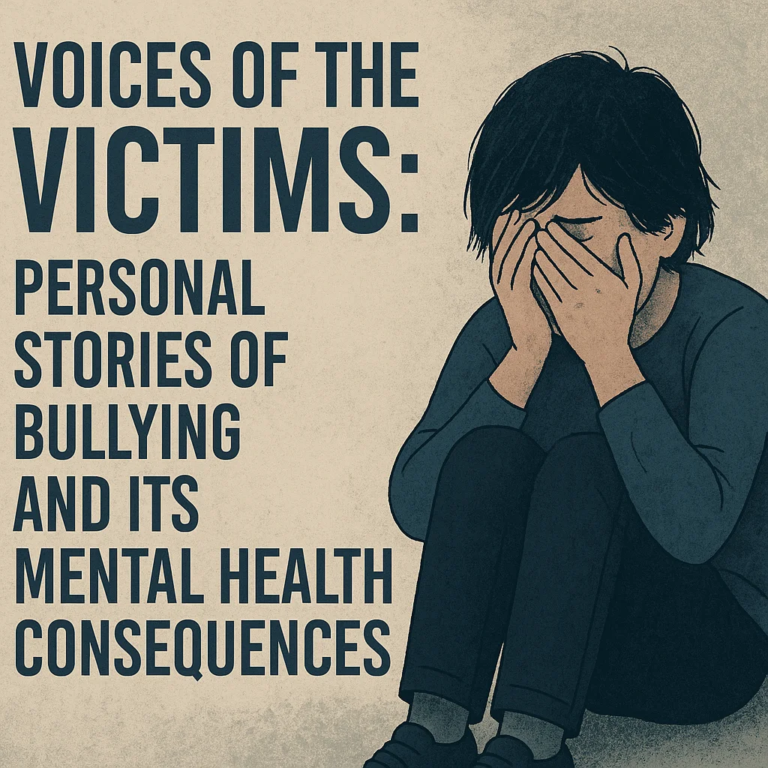
- Promote a no-bullying policy within schools and communities.
Real-World Applications: Case Studies
Case Study 1: Family Support Programs
Many community-based family support programs focus on empowering parents through workshops and training. One such program in Chicago, “Families First,” showcased how parental involvement in educational strategies positively impacted not just the children’s performance, but also enhanced family dynamics.
Analysis: The success of this program illustrates the importance of equipping parents with behavioral strategies, reinforcing the concept that creating a supportive environment isn’t just about the children but involves the entire family.
Case Study 2: Positive Behavioral Interventions and Supports (PBIS)
Schools implementing PBIS have improved student behavior by providing clear expectations and recognition for adhering to them. For instance, a middle school in California reported a 50% drop in disciplinary actions after adopting PBIS.
Analysis: This shows that by focusing on creating a supportive environment through positive behavioral strategies, educators can significantly enhance the school climate.
Conclusion
Creating a supportive environment is a collaborative effort involving both parents and educators. By employing effective behavioral strategies—such as active listening, positive reinforcement, and empathy training—you foster a nurturing atmosphere where children can thrive. Remember, the goal is not just to manage behaviors but to cultivate a space of trust, open communication, and emotional safety.
As you step into this journey of creating a supportive environment, remember that small changes can lead to profound results. Engage with your children; listen; validate their feelings. You have the power to impact their lives significantly.
FAQs
1. What are the first steps in creating a supportive environment for my child?
Start by ensuring open lines of communication, implementing consistent routines, and practicing active listening to foster a sense of safety.
2. How can teachers encourage positive behavior in the classroom?
Teachers can use positive reinforcement, set clear expectations, and regularly engage students in discussions about their feelings and behaviors.
3. Are there any tools that can help in creating a supportive environment?
Yes, tools like feelings charts, behavior tracking systems, and daily check-in templates can assist both parents and educators in monitoring emotional wellness.
4. How do I handle conflicts between siblings or classmates?
Encourage open communication by having them express their feelings, practicing empathy, and guiding them to find common ground and resolutions.
5. Can creating a supportive environment affect academic performance?
Absolutely! A nurturing atmosphere helps children feel secure, which can significantly boost their academic motivation and performance.
By integrating these strategies into your daily interactions, you’re not just a parent or educator; you’re a catalyst for growth and a champion for your child’s future. Together, let’s nurture the next generation.
This article serves as a comprehensive framework for creating a supportive environment, incorporating evidence-based strategies, real-world applications, and a focus on the importance of collaboration between parents and educators. As you embark on this journey, remember: the environment you create today will shape the leaders of tomorrow.
About the Author