Introduction
In a world where mental health awareness is skyrocketing, the rise of the psychologist signals a transformative era within the realm of psychological sciences. Today, more than ever, the importance of mental well-being is being recognized across various sectors—healthcare, education, corporate environments, and even technology. With burgeoning fields and emerging trends in psychology careers, it is crucial for both aspiring psychologists and seasoned professionals to understand the landscape ahead. This article delves deep into the dynamic career opportunities stemming from the rise of the psychologist, exploring innovative specialties, technological advancements, and shifts in societal needs.
The Expanding Horizon of Psychology Careers
1. The Intersection of Psychology and Technology
As digital technology continues to evolve, so does the practice of psychology. The rise of teletherapy and mental health apps offers psychologists new avenues to reach individuals who might not have access to traditional therapy.
Case Study: The Success of Woebot
Woebot, an AI-driven chatbot, represents the rise of the psychologist in the tech domain. Designed to provide cognitive-behavioral therapy (CBT) practices in a conversational format, Woebot has successfully engaged thousands of users, showing that technology and mental health can seamlessly intersect.
| Feature | Woebot | Traditional Therapy |
|---|---|---|
| Accessibility | 24/7 availability | Scheduled appointments |
| Cost | Free or low-cost | Can be expensive |
| Anonymity | Completely anonymous | Depends on client-therapist relationship |
| Engagement | Utilizes AI for personalized interactions | Relies on human interaction |
Analysis:
Woebot’s success illustrates the potential of technology to augment traditional psychological practices, making mental health support more accessible and relatable to younger, tech-savvy populations.
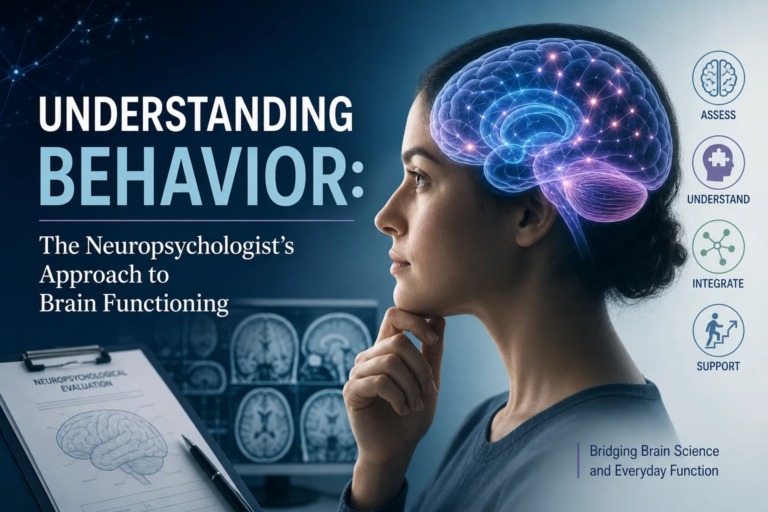
2. Neuropsychology: A Deep Dive into the Brain
Neuropsychology is an emerging field that marries psychology with neuroscience. As our understanding of brain functions improves, psychologists are increasingly involved in assessing and treating cognitive deficits related to brain injuries or neurological conditions.
Case Study: Dr. Jane Smith’s Work with TBI Patients
Dr. Jane Smith, a neuropsychologist, has developed a groundbreaking rehabilitation program for individuals suffering from traumatic brain injuries (TBI). Her approach integrates cognitive training with traditional therapy to improve recovery outcomes significantly.
| Treatment Method | Traditional Approach | Dr. Jane Smith’s Approach |
|---|---|---|
| Focus | Talk therapy | Integrated cognitive training |
| Duration | Long-term therapy | Shorter, intensive sessions |
| Outcome Measurement | Subjective feedback | Quantitative cognitive assessments |
Analysis:
Dr. Smith’s innovative techniques underscore the rise of the psychologist in specialized areas such as neuropsychology and highlight the necessity of adapting methods based on scientific discoveries.
3. Organizational Psychology: Transforming Workplaces
As companies increasingly recognize the importance of employee well-being, organizational psychology is gaining traction. This field focuses on improving workplace culture, productivity, and overall mental health.
Case Study: Google’s People Analytics Team
Google’s People Analytics team uses psychological principles to enhance employee satisfaction and productivity. Through data-driven insights, they have implemented programs to address employee burnout and stress.
| Initiative | Traditional Corporate Practices | Google’s Approach |
|---|---|---|
| Employee Feedback | Annual surveys | Continuous feedback loops |
| Mental Health Support | Limited resources | Comprehensive mental health programs |
| Training | Generic training seminars | Tailored psychological workshops |
Analysis:
Google’s standout practices exemplify how the rise of the psychologist within organizations can foster a supportive work environment, leading to happier and more productive employees.
4. Clinical Psychology: Specialization Is Key
In recent years, clinical psychology has seen a surge in specialization, particularly focusing on areas like child psychology, geropsychology, and LGBTQ+ affirmative therapy.
Case Study: The Youth Mental Health Initiative
The Youth Mental Health Initiative focuses on adolescents facing mental health challenges, integrating both clinical and developmental psychological approaches. By making therapy relatable to young users, the initiative has reduced stigma and improved engagement.
| Key Features | Traditional Therapy for Youth | Youth Mental Health Initiative |
|---|---|---|
| Communication Style | Adult-centric | Adolescent-specific language |
| Therapeutic Tools | Standard resources | Interactive, multimedia tools |
| Outreach | Limited engagement | Active community involvement |
Analysis:
The Youth Mental Health Initiative exemplifies the focus on specialized practices in clinical psychology, demonstrating how adapting methods to fit unique populations can significantly improve outcomes.
5. Forensic Psychology: The Legal Nexus
Forensic psychology is becoming a crucial field, intersecting psychology and the legal system. Psychologists in this domain evaluate individuals in legal contexts, assist in jury selections, and provide expert testimony in court.
Case Study: Dr. Emily Harris’s Role in High-Profile Cases
Dr. Emily Harris has gained recognition for her work in assessing defendants’ mental health in high-profile criminal cases. Her expertise in understanding criminal behavior has helped influence verdicts and sentencing.
| Services Offered | Traditional Legal Consultation | Dr. Emily Harris’s Approach |
|---|---|---|
| Case Evaluation | Basic psychiatric evaluations | Comprehensive psychological assessments |
| Testimony | General opinion | Expert, detailed analysis on mental state |
Analysis:
Dr. Harris’s work illustrates the vital role of forensic psychologists within the legal system, showcasing the rise of the psychologist as experts who bridge gaps between psychology and law.
Trends Shaping the Future of Psychology Careers
1. Increased Awareness of Mental Health
The stigma surrounding mental health is gradually dissipating, leading to a greater acceptance of psychological services. This cultural shift has resulted in an increased demand for psychologists of all specialties.
2. Telepsychology: The New Normal
With the COVID-19 pandemic, telehealth services exploded, making therapy more accessible than ever before. The rise of the psychologist in offering remote services has become essential for reaching underserved populations.
3. Focus on Wellness and Prevention
There is a growing emphasis on preventative measures in mental health. Psychologists are now called to develop wellness programs that proactively address mental health issues before they escalate.
4. Diversity and Inclusion
As society acknowledges the importance of diverse perspectives, psychologists are increasingly focusing on cultural competence to better serve varied populations.
5. Lifelong Learning and Professional Development
The expansive nature of psychology necessitates continual education and adaptation. Psychologists are investing more in professional development to stay ahead in their fields.
Conclusion
The rise of the psychologist is not merely a trend but is indicative of a profound shift in how society values mental health. From the intersection of technology and psychology to the burgeoning fields of neuropsychology and organizational psychology, the opportunities are ripe for exploitation. Aspiring psychologists should be encouraged by the innovative paths laid out before them, as this vibrant profession continues to evolve in ways that directly benefit humanity. As the world increasingly recognizes the importance of mental well-being, those entering the field can look forward to making a meaningful impact.
FAQs
1. What career options are available in psychology today?
The scope of psychology careers is vast, ranging from clinical psychology to organizational psychology, neuropsychology, forensic psychology, and beyond.
2. How can technology enhance psychological services?
Technology enhances psychological services through teletherapy, mobile health apps, and AI-driven interventions, making mental health support more accessible.
3. What role do psychologists play in organizational settings?
Psychologists in organizations focus on improving employee well-being, productivity, and workplace culture through psychological principles and data analytics.
4. How can one specialize in a specific area of psychology?
Specialization in psychology can be pursued through focused education, professional development, and gaining experience in specific fields during internships or clinical placements.
5. Why is mental health awareness essential?
Mental health awareness reduces stigma, encourages individuals to seek help, and fosters a supportive environment for those struggling with psychological issues.
In summary, as we witness the rise of the psychologist in various new and exciting fields, it is essential to embrace the myriad opportunities that lie ahead, creating a future where mental health is prioritized and celebrated.
About the Author


The PsyForU Editorial Collective is the research and editorial team of PsyForU Research International. The collective prepares educational, psychological, mental-health-awareness, inclusion, neurodiversity, and research-methodology content for students, parents, educators, researchers, and general readers. PsyForU content is intended for awareness, education, and capacity-building and should not be treated as clinical diagnosis, therapy, medical advice, legal advice, or emergency mental-health support.