Introduction
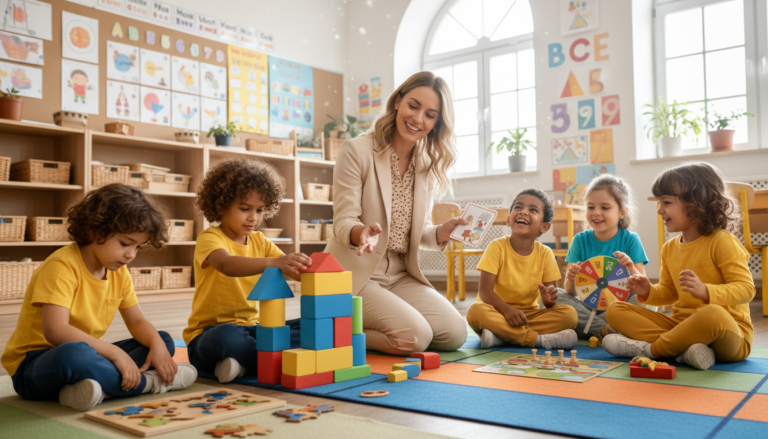
Imagine a classroom where students eagerly await the next lesson, competing with one another not just for grades but for the thrill of learning. This scenario might sound like a dream for many educators, yet it’s becoming a tangible reality thanks to a powerful concept known as gamification. In a time when traditional educational methods often fail to engage students, gamification in the classroom has emerged as a transformative approach that infuses learning with excitement.
In this article, we’ll explore Gamification in the Classroom: Strategies for Success, delving into effective methods, case studies, and actionable insights that can enhance student motivation and achievement. Get ready to discover how gamification can revolutionize your teaching practices and help foster a vibrant learning environment.
The Essence of Gamification
Gamification refers to the integration of game-design elements in non-gaming contexts. It’s about leveraging the inherent motivational power of games to enhance the learning experience. When applied in classrooms, gamification turns mundane tasks into engaging challenges, fostering a spirit of competition and collaboration among students.
Why Gamification Works
- Engagement: Gamification captures students’ attention and encourages active participation.
- Motivation: Rewards and achievement systems boost intrinsic motivation.
- Feedback: Instant feedback mechanisms help students identify their strengths and areas for improvement.
- Collaboration: Multiplayer elements foster teamwork and social interaction.
Strategies for Successful Gamification
1. Set Clear Objectives
Before implementing gamification, define clear learning objectives. Determine what you want students to achieve and how gamification can facilitate that learning process. By setting clear goals, students know what they’re working towards, enhancing focus and intention.
2. Introduce Points, Badges, and Leaderboards
One of the most vibrant aspects of gamification in the classroom is the use of points, badges, and leaderboards (PBL). These elements can reinforce positive behavior and academic performance.
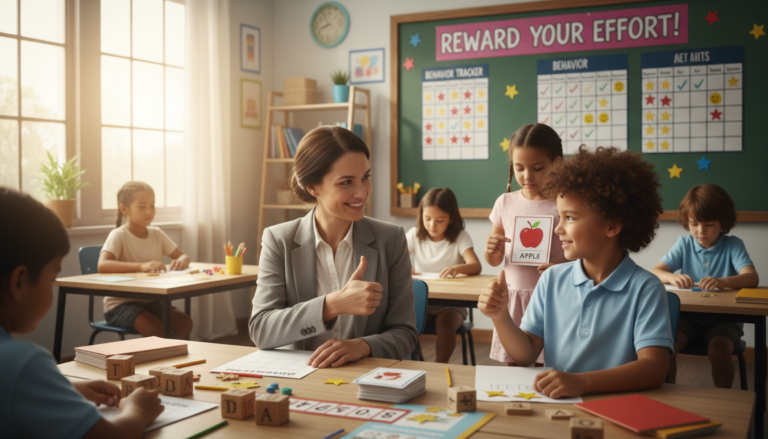
Points can be awarded for completing tasks, participating in discussions, or helping peers. Badges can signify mastery of skills, encouraging students to strive for excellence. Leaderboards promote healthy competition, motivating students to improve their performance.
| Element | Description | Benefits |
|---|---|---|
| Points | Incentives for completing tasks | Encourage achievement and progress |
| Badges | Visual representation of accomplishments | Drive motivation and recognition |
| Leaderboards | Visual ranking among peers | Foster competition and social engagement |
3. Incorporate Storytelling
Integrating storytelling into your lessons can enhance engagement and retention. Create a narrative that runs through a series of lessons or activities, turning learning into an adventure. Students can take on roles within the story, which helps to personalize the experience and stimulate imagination.
4. Utilize Technology Wisely
The digital age offers numerous tools for gamification. Platforms like Kahoot!, Quizizz, and Classcraft enable interactive learning experiences that can be tailored to various subjects and age groups. These tools provide a fun way to assess student knowledge and encourage participation through quizzes and trivia.
5. Foster Collaboration with Team Challenges
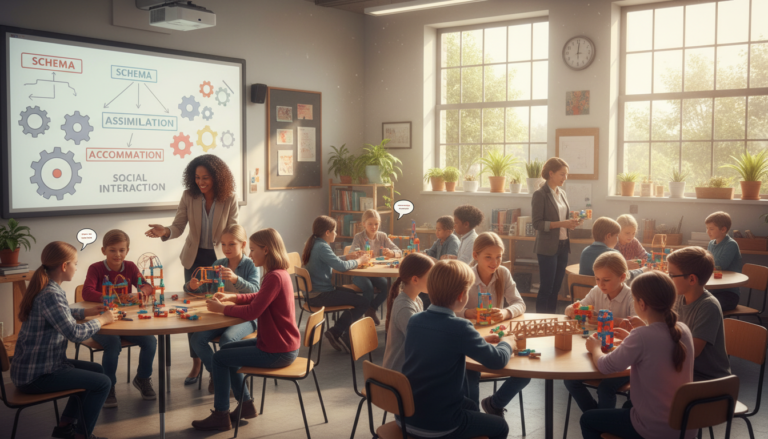
Group tasks foster teamwork and communication. Design collaborative challenges where students must work together to achieve a common goal. This not only promotes social skills but also teaches students the importance of collaboration in learning.
6. Adaptive Time-based Challenges
Incorporate time-based challenges that require quick thinking and collaboration. Using a countdown timer can create a sense of urgency and excitement, encouraging students to perform at their best while developing time management skills.
Case Studies: Real-World Applications
Case Study 1: The Game of Life in Math
School: Brookfield High
Strategy: Implementation of a "real-life" game
In a mathematics class, teachers at Brookfield High introduced a gamified project called "The Game of Life." Students received salaries based on their test scores, and they had to budget their finances while navigating life’s challenges. The game not only increased engagement but also improved mathematical skills significantly.
Analysis: This case demonstrates how gamification can turn abstract concepts into tangible experiences, fostering deeper understanding and application of skills.
Case Study 2: Collaborative Learning Through Minecraft
School: Riverview Elementary
Strategy: Using Minecraft for collaborative projects
At Riverview Elementary, educators utilized Minecraft to develop collaborative projects centered around history lessons. Students worked in teams to recreate historical landmarks and engage in battles that educated them about ancient civilizations.
Analysis: By using a popular game, teachers successfully bridged gaming and educational content, fostering cooperation and joy in learning.
Case Study 3: Language Learning via Gamified Quizzes
School: Springfield International
Strategy: Gamified quizzes for language acquisition
Teachers at Springfield International used a quiz app to convert vocabulary learning into a competitive game. Students earned points for correctly answering questions and were presented with a leaderboard to track their progress week-over-week.
Analysis: This approach showcased how gamification can reinforce knowledge retention in language learning, providing immediate feedback and motivation.
Overcoming Challenges in Implementation
While gamification can significantly enhance learning experiences, it’s essential to address potential challenges:
Balancing Fun and Learning: It’s crucial to ensure that the fun elements do not overshadow educational objectives. Maintain a balance between engagement and academic rigor.
Technical Difficulties: Prepare for technical issues by familiarizing yourself with various tools and ensuring reliable access to technology.
Variety of Learning Styles: Not all students thrive in competitive environments. Incorporate diverse activities to cater to different learning preferences.
- Avoiding Overemphasis on Competition: Ensure that competition remains healthy and constructive. Promote individual achievements and collaboration to maintain a supportive learning atmosphere.
Conclusion
As we’ve explored throughout this article, Gamification in the Classroom: Strategies for Success provides an innovative approach to fostering engagement and enhancing educational outcomes. By applying the strategies discussed, educators can create dynamic learning environments that resonate with today’s digital-savvy students.
Embracing gamification is not just about integrating games; it’s about reimagining the learning experience. As you implement these strategies, remember to be flexible, assess their effectiveness, and adapt as necessary. Let the excitement of gamification inspire both you and your students to achieve new heights in learning.
FAQs Section
What is gamification?
- Gamification is the integration of game design elements in non-game contexts, particularly to enhance engagement and motivation in learning environments.
How can teachers measure the success of gamification?
- Success can be measured through student performance, engagement levels, feedback, and overall improvement in learning outcomes.
What tools are available for gamification in the classroom?
- Tools such as Kahoot!, Quizizz, Classcraft, and Google Classroom offer platforms for gamifying lessons with quizzes, badges, and challenges.
Can gamification be used for all subjects?
- Yes, gamification can be adapted for any subject by aligning game mechanics with the curriculum objectives, whether it’s math, science, language, or history.
- How do I get started with gamifying my classroom?
- Start small by introducing point systems for participation or incorporating a game-based quiz for a single lesson. Gradually expand based on what works best for your students.
By embracing gamification, educators can not only captivate their students but also equip them with essential skills for success in the 21st century. So, join the movement and unlock the full potential of learning through play!
About the Author


The PsyForU Editorial Collective is the research and editorial team of PsyForU Research International. The collective prepares educational, psychological, mental-health-awareness, inclusion, neurodiversity, and research-methodology content for students, parents, educators, researchers, and general readers. PsyForU content is intended for awareness, education, and capacity-building and should not be treated as clinical diagnosis, therapy, medical advice, legal advice, or emergency mental-health support.