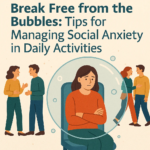
From Awkward to At Ease: The Ultimate Guide to Managing Social Anxiety One Encounter at a Time
Introduction
In our increasingly connected world, the ability to engage in social situations can feel overwhelming for many individuals. Social anxiety affects millions across the globe, creating a barrier to genuine connection and fulfilling interactions. If you’ve ever felt your heart race in a crowded room or experienced an intense fear of judgment during simple conversations, you’re not alone.
From Awkward to At Ease: Managing Social Anxiety One Encounter at a Time is not just a title; it’s a journey that starts with awareness and culminates with growth. In this comprehensive guide, we will explore practical strategies, inspiring stories, and actionable insights designed to shift your mindset and ease the social pressure, one encounter at a time.
Understanding Social Anxiety
What is Social Anxiety?
Social anxiety disorder (SAD) is more than just shyness; it is a debilitating condition characterized by intense fear of social situations due to concerns of being judged or embarrassed. It can manifest in various ways, including fear of public speaking, meeting new people, or even dining in public. Although social anxiety can feel isolating, it is a widely recognized mental health condition that can be managed and treated.
Symptoms of Social Anxiety
Understanding the symptoms of social anxiety can be the first step in managing it. Common symptoms include:
- Excessive self-consciousness in social situations
- Physical symptoms like sweating, trembling, or rapid heartbeat
- Avoidance of social interactions
- Negative thoughts about oneself or one’s behaviors
Case Study Analysis
Consider the case of Jamie, a graphic designer. Jamie faced overwhelming anxiety during team meetings, leading to missed opportunities for collaboration. By identifying his symptoms—such as excessive sweating and stumbling over words—Jamie understood that he needed to focus on managing these reactions systematically.
Moving Beyond the Fear
Step-by-Step Approach to Social Interactions
From Awkward to At Ease: Managing Social Anxiety One Encounter at a Time requires a structured approach. Here are several steps to help you navigate social interactions:
1. Preparation and Planning
Preparation can alleviate some of the anxiety associated with unpredictable environments.
Strategies:
- Role-play different social scenarios with a trusted friend.
- Prepare conversation starters or topics of interest.
2. Mindfulness Techniques
Practicing mindfulness can reduce anxiety levels significantly. Learning to be present at the moment may help break the cycle of anxious thoughts.
Techniques:
- Deep breathing exercises
- Guided meditation apps like Headspace or Calm
- Engaging in grounding exercises (5-4-3-2-1 method)
Table 1: Mindfulness Techniques Overview
| Technique | Description | Benefits |
|---|---|---|
| Deep Breathing | Inhale and exhale slowly | Reduces immediate anxiety |
| Guided Meditation | Listening to meditation audio | Enhances relaxation |
| Grounding Exercises | Connecting physical senses to the environment | Promotes awareness and calmness |
Case Study: Michael’s Transformation
Michael, a university student, struggled to engage with peers during group projects. After employing mindfulness techniques and practicing his conversation starters, he felt more in control. His newfound awareness allowed him to engage more freely, leading to better grades and friendships.
The Role of Therapy
Cognitive Behavioral Therapy (CBT)
CBT is a common, evidence-based therapy effective for treating social anxiety. It helps individuals identify negative thought patterns and replace them with more constructive ones.
How CBT Works:
- Identification: Recognize anxious thoughts.
- Challenge: Question the validity of these thoughts.
- Reframe: Create a positive narrative.
Exposure Therapy
Exposure therapy systematically confronts the fears that contribute to social anxiety. Gradual exposure enables individuals to become accustomed to feared scenarios.
Chart 1: CBT vs. Exposure Therapy Comparison
| Aspect | Cognitive Behavioral Therapy | Exposure Therapy |
|---|---|---|
| Focus | Thought patterns | Direct experience of fear |
| Duration | Often longer-term | Shorter, focused sessions |
| Goal | Thought restructuring | Reducing fear through exposure |
Case Study: Sara’s Expedition
Sara sought therapy after years of avoiding social events. Through CBT, she identified her patterns of negative self-talk and reframed them into positive affirmations. Her progress led her to attend social gatherings she had once avoided, illustrating the profound impact of therapy on managing anxiety.
Building Social Skills
To Practice or Not to Practice
Building social skills is vital in transitioning from awkwardness to ease. Engaging in activities that allow for practice—like joining clubs or attending workshops—could empower you.
Important Skills to Develop:
- Active listening
- Maintaining eye contact
- Asking open-ended questions
Case Study: Emily and Her Book Club
Emily, who battled with shyness, decided to join a local book club. She practiced active listening and asking questions related to discussions. Over time, she transformed her experience from awkward introductions to meaningful connections, showcasing the significance of practice.
Effective Communication Techniques
Non-Verbal Communication
Understanding body language and non-verbal cues can enhance interactions and bolster confidence.
Key Non-Verbal Cues:
- Open posture
- Smiling genuinely
- Nodding to show engagement
Active Listening
Engaging actively with speakers demonstrates respect and interest, further easing social dynamics.
Tips for Active Listening:
- Maintain eye contact
- Mirror body language
- Use prompts like “That’s interesting, tell me more!”
The Power of Community
Finding Support Groups
Connecting with individuals who share similar experiences can lead to valuable insights and support. Look for local or online support groups tailored for individuals experiencing social anxiety.
Volunteering as a Bridge
Engaging in volunteer work not only helps the community but also provides a structured environment to practice social skills with a shared purpose.
Case Study: Alex’s Volunteer Journey
Alex joined a community kitchen to help others while alleviating his anxiety. By serving meals, he found a comforting routine and made connections with fellow volunteers, facilitating a smooth transition from awkward to at ease.
Breaking Down Barriers to Connection
The Comparison Trap
It’s easy to fall into the comparison trap, exacerbating feelings of inadequacy. Remember that everyone has their struggles; social media often presents an idealized version of life.
Embracing Vulnerability
Owning your vulnerabilities can lead to authenticity. When you accept your imperfections, it encourages others to feel more at ease, enhancing connections.
Conclusion
Navigating social anxiety is a remarkable journey that requires patience and persistence. By taking manageable steps towards connection, we can transition From Awkward to At Ease: Managing Social Anxiety One Encounter at a Time. Remember, every interaction is an opportunity for growth, and with the insights shared in this guide, you are well-equipped to foster genuine connections in your life.
Actionable Insights
- Choose one mindfulness technique to practice daily.
- Attend one social gathering each week, aiming for a small interaction.
- Consider therapy as a support option if you face persistent challenges.
FAQs Section
1. What are the first signs of social anxiety?
Early signs include excessive self-consciousness in social situations, physical symptoms like sweating, and avoiding social interactions.
2. How does social anxiety differ from shyness?
While shyness is common and often transient, social anxiety is a clinical disorder characterized by significant fear and avoidance of social situations.
3. Can social anxiety be cured?
While there may not be a "cure," effective treatments like CBT and exposure therapy can significantly reduce symptoms.
4. How long does it take to manage social anxiety?
The timeline varies based on individual experiences and commitment to treatment. Progress can be seen in weeks to months with consistent effort.
5. Are there support groups for social anxiety?
Yes, many local and online communities focus specifically on social anxiety, offering safe spaces for sharing experiences and building connections.
Embarking on this journey may not always be easy, but taking the first step can lead to profound changes. Remember, you have the power to transition From Awkward to At Ease: Managing Social Anxiety One Encounter at a Time. Take action, seek support, and embrace every encounter as an opportunity for growth.
About the Author