Building Communication Skills: A Parent’s Guide to Supporting a Child with Learning Disabilities
Introduction
Imagine a child full of potential, yet struggling to communicate effectively with the world around them. For parents of children with learning disabilities, supporting their communication journey can be both a challenge and an opportunity. Building communication skills is not just about improving speech; it encompasses emotional expression, social interaction, and academic success. This comprehensive guide aims to equip you with valuable strategies, insights, and real-life case studies that will inspire and empower you to foster your child’s communication abilities.
Understanding Learning Disabilities
What Are Learning Disabilities?
Learning disabilities (LD) are neurological disorders that affect the brain’s ability to receive, process, or respond to information. They can impact reading, writing, math skills, and, importantly, communication. Recognizing the specific learning disability your child may have is essential for building effective communication skills.
| Type of Learning Disability | Description | Communication Impact |
|---|---|---|
| Dyslexia | Difficulty in reading and decoding | Challenges in verbal expression |
| Dyscalculia | Difficulty with numbers | Challenges in explaining concepts |
| Dysgraphia | Difficulty in writing | Trouble with written communication |
| Auditory Processing Disorder | Difficulty making sense of spoken language | Struggles with following conversations or instructions |
The Importance of Communication Skills
Effective communication is foundational for personal development, academic success, and forming relationships. For children with learning disabilities, strong communication skills can lead to increased self-confidence, better social interactions, and improved learning outcomes. As a parent, it’s crucial to provide the tools and support needed for your child to thrive.
Strategies for Building Communication Skills
Creating a Supportive Environment
A nurturing environment is key to enhancing your child’s communication skills. Here are some proven strategies for creating such an environment:
- Limit Distractions: Turn off TVs and put away smartphones during conversations to help your child focus.
- Encourage Open Dialogue: Foster an atmosphere where your child feels comfortable expressing their thoughts and feelings without judgment.
- Use Visual Supports: Incorporate pictures, charts, and visual schedules to help your child better understand concepts and instructions.
Case Study: Emma, a 10-year-old with dyslexic tendencies, struggled with verbal communication in a noisy environment. By creating a quieter space for discussions and using visual aids, her parents noted a significant improvement in her confidence during family conversations.
Engaging in Multi-Sensory Learning
Multi-sensory approaches can make communication more relatable and enjoyable. Here are a few techniques to consider:
- Storytelling: Use stories with strong visual components and engage your child in retelling them.
- Role Play: Create scenarios where your child can practice conversational skills in a safe setting.
- Games: Use board games or applications designed to enhance communication skills in a playful manner.
Case Study: Jeremiah, aged 8, benefited from storytelling sessions where he could illustrate his version of the story. This exercise not only enhanced his vocabulary but also his ability to narrate coherent stories and engage his peers.
Encouraging Emotional Expression
Emotional communication is equally important. Help your child articulate their feelings by:
- Teaching Emotional Vocabulary: Introduce words related to feelings in context, so they have a rich vocabulary to express themselves.
- Modeling Emotion: Demonstrate how to discuss emotions openly, explaining how to recognize and articulate feelings.
Case Study: Sara, a 12-year-old diagnosed with ADHD, learned to identify and communicate her emotions during therapy sessions. By practicing these skills at home, her parents observed fewer emotional outbursts and improved communication during family discussions.
Collaborating with Professionals
Working with Speech Therapists
A speech therapist can offer specialized assistance tailored to your child’s needs. They may:
- Develop targeted exercises for articulation and language use.
- Provide you with ways to reinforce skills at home.
Helpful Tip: Schedule regular check-ins with professionals to track progress and adapt strategies as necessary.
Involving Educators
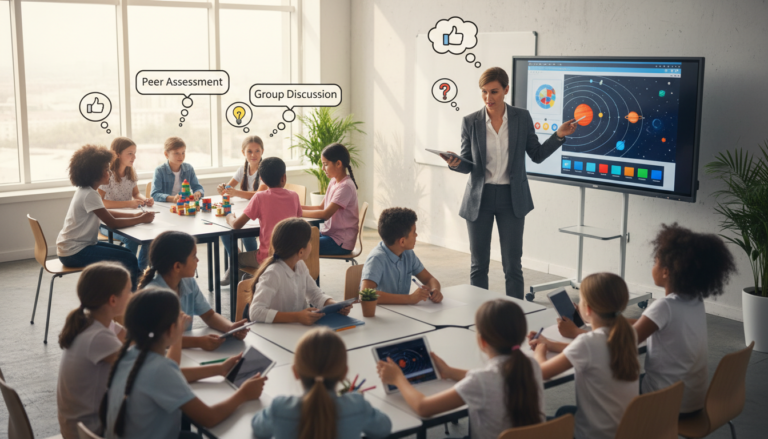
Collaboration with teachers can enhance your child’s communication development in the classroom. Here’s how:
- Share your child’s learning profile and communication goals with teachers.
- Encourage the teacher to use specific strategies that work for your child, ensuring consistency between home and school.
Case Study: Liam’s parents worked closely with his teacher to implement visual aids in the classroom, making lessons more engaging for him. This partnership resulted in Liam enthusiastically participating in group discussions.
The Role of Technology
Helpful Tools and Apps
In today’s digital age, numerous applications can aid in building communication skills. Here are some noteworthy options:
- Proloquo2Go: A symbol-based communication app designed for individuals who cannot speak.
- Speech Blubs: An app that encourages speech development through fun, interactive exercises geared for children.
- StoryKit: Enables children to create and narrate their stories, aiding in creative communication.
Case Study: Using the Speech Blubs app, Rachel, a 7-year-old with Asperger’s syndrome, showed enhanced vocabulary and pronunciation within a few months, showcasing the power of technology in effective communication.
Maintaining Consistency
Daily Practices
For lasting impact, integrate communication skills practice into daily activities:
- Mealtime Conversations: Engage in discussions during meals, prompting your child to share thoughts about their day.
- Weekend Activities: Use outings as opportunities to foster communication, asking your child to describe their experiences.
Tracking Progress
Create a system to monitor skill enhancement. This can include:
- Keeping a communication journal.
- Setting specific, achievable goals.
- Celebrating milestones, no matter how small.
Conclusion
Building communication skills: A parent’s guide to supporting a child with learning disabilities is more than a resource; it’s a call to action. With the right tools, strategies, and mindset, you can significantly impact your child’s ability to express themselves effectively. Remember, every step counts, and the journey of enhancing these crucial skills is a collaborative effort between you, your child, and the support network around you.
FAQs Section
1. What should I do if my child refuses to communicate?
Encourage gradual engagement through preferred activities and interests, and consider seeking professional support if necessary.
2. How can I measure my child’s communication improvement?
Set specific goals and track progress over time. Use both qualitative (like confidence) and quantitative measures (like vocabulary size).
3. Are there specific games to help with communication skills?
Yes, look for board games that involve verbal interaction or apps designed to aid language development.
4. How can I support my child’s social communication skills?
Encourage playdates and group activities where your child can practice social interactions in a structured environment.
5. What role does advocacy play in supporting my child’s communication needs?
Being an advocate helps ensure your child receives the appropriate resources and support in both educational and social settings.
By engaging with your child’s unique needs and employing effective strategies, you’re giving them the invaluable gift of communication skills that will serve them throughout their life. Remember, it’s a journey, and every small improvement counts. Keep believing in their potential and stay committed to their growth.
About the Author