Introduction
In the ever-evolving landscape of education, the need for individualized support is more pronounced than ever. With students facing diverse learning challenges, educators are tasked with crafting environments that foster growth and achievement for all. At the heart of this endeavor lies the Individualized Education Program (IEP)—a legally binding document that outlines specific educational goals, accommodations, and services tailored for students with disabilities. Yet, ensuring that these plans are effective can sometimes feel daunting. This is where Innovative Strategies for Enhancing IEP Effectiveness in the Classroom come into play.
In this article, we will delve into transformative strategies that can elevate the implementation of IEPs, ensuring that they are not just paperwork but living, breathing tools that cater to individual student needs. We’ll explore practical techniques supported by case studies, data, and expert insights that promise to optimize the educational experience in inclusive settings.
Understanding IEPs: The Framework of Support
What Is an IEP?
An IEP is a document that lays out a student’s learning needs, goals, and the specific services provided by the school. According to the Individuals with Disabilities Education Act (IDEA), each eligible student must have an IEP that is reviewed annually. An effective IEP is not only compliant with legal standards but also a roadmap to help students access the curriculum and achieve success.
Why IEPs Matter
The significance of IEPs cannot be overstated. They provide a structured approach to personalized education, facilitating academic success, social integration, and emotional well-being. A well-executed IEP can empower students, fostering self-advocacy and resilience.
Innovative Strategies for Enhancing IEP Effectiveness in the Classroom
1. Collaborative Team-Building
One of the most effective innovative strategies for enhancing IEP effectiveness in the classroom is fostering a collaborative environment among educators, specialists, and families. Collaboration can take various forms, from regular team meetings to co-teaching models.
Case Study: The Power of Teamwork
At Riverbend Elementary, teachers implemented a co-teaching model where general and special education teachers worked together in the same classroom. Through systematic planning and shared responsibilities, they were able to tailor instructional approaches to meet diverse learner needs. By pooling resources and expertise, they ensured that each student received the focused attention they deserved.
| Collaboration Strategies | Frequency | Impact |
|---|---|---|
| Team Planning Sessions | Bi-weekly | Enhanced support |
| Co-teaching Opportunities | Daily | Improved engagement |
| Family Meetings | Quarterly | Stronger relationships |
2. Data-Driven Decision Making
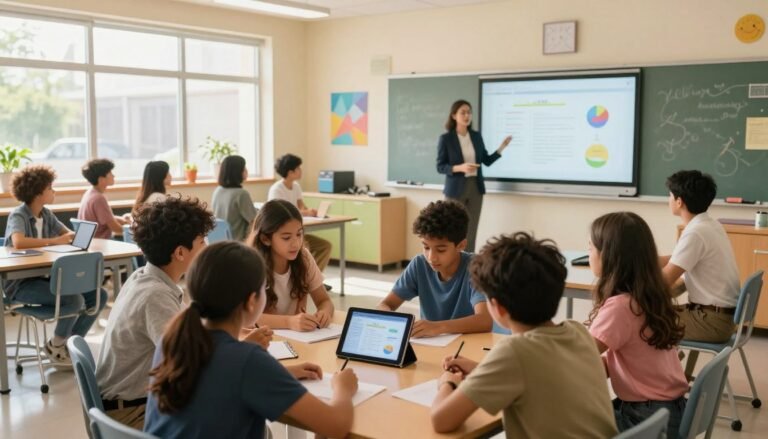
Utilizing data effectively is a cornerstone of innovative strategies for enhancing IEP effectiveness in the classroom. By continually assessing student performance through formative assessments, educators can modify instruction and services accordingly.
Analysis of Data Use
When teachers at Crestview High School began using a data management system to track IEP goals, they noted a marked improvement in student outcomes. Data allowed them to identify specific areas where students struggled and provided insights necessary for targeted interventions.
Benefits of Data-Driven Approaches:
- Timely identification of student needs.
- Facilitates proactive interventions.
- Streamlines communication among educators.
3. Flexible Learning Environments
Creating flexible learning environments is another powerful strategy. Classrooms should be adaptable spaces that cater to various learning styles and preferences.
Strategies for Flexibility:
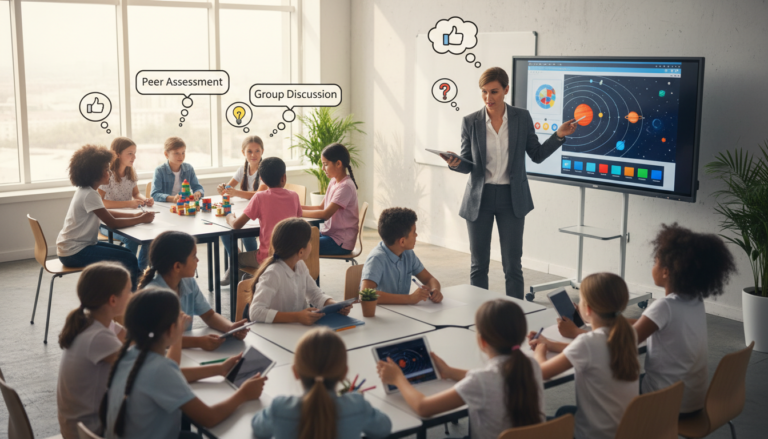
- Incorporating technology tools such as tablets and interactive whiteboards.
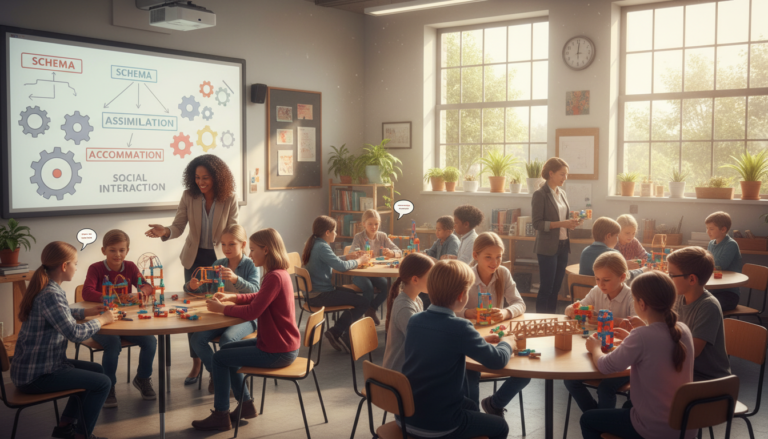
- Designing learning stations that allow for movement and social interaction.
- Implementing universal design for learning (UDL) principles to accommodate multiple means of engagement.
Case Study: Flexible Learning in Action
At Horizon Academy, teachers redesigned their classroom layouts to provide various learning zones. This arrangement not only helped students focus better but also supported social interactions among peers.
| Flexibility Strategies | Student Feedback | Academic Impact |
|---|---|---|
| Learning Stations | 95% Engagement | Increased test scores |
| Technology Integration | 90% Satisfaction | Better retention of material |
4. Ongoing Professional Development
Investing in ongoing professional development equips educators with the skills and knowledge needed to implement IEPs effectively. Regular training on best practices, innovative teaching techniques, and understanding disabilities can make a significant difference.
Professional Development Programs:
- Workshops on differentiated instruction.
- Training in technology integration for special needs.
- Mentorship programs for new teachers.
Impact of Training:
Educators at Maplewood School reported that consistent professional development directly correlated with increased student satisfaction and progress, underscoring the importance of continuous learning in the teaching field.
5. Parent and Community Engagement
Engaging parents and the community creates a support network that bolsters the IEP process. When families are involved, students are more likely to succeed.
Strategies for Engagement:
- Hosting workshops for parents to understand the IEP process.
- Creating parent advisory committees for feedback.
- Building partnerships with local organizations for resources and support.
Case Study: Community Collaboration
At Forest Glen School, administrators established a partnership with a local nonprofit that provides resources for students with disabilities. This collaboration resulted in after-school programs that enriched IEP goals and fostered community involvement.
6. Implementing Assistive Technology
The integration of assistive technology plays a critical role in enhancing IEP effectiveness. Tools like speech-to-text software, audiobooks, and interactive apps can greatly assist learning.
Data on Technology Use:
Research shows that students using assistive technology exhibit improved engagement levels and increased academic performance. The adoption of such tools can help in bridging the gap created by learning disabilities.
| Assistive Technology | Student Adoption | Resulting Improvement |
|---|---|---|
| Speech-to-Text Software | 81% | Enhanced writing ability |
| Audiobooks | 76% | Increased reading comprehension |
Conclusion
Navigating the complexities of IEPs can be challenging, but by leveraging Innovative Strategies for Enhancing IEP Effectiveness in the Classroom, educators can empower students to achieve their fullest potential. Through collaboration, data-driven decisions, flexible learning environments, professional development, parent engagement, and technology, we can transform the educational landscape for students with disabilities.
As educators, we have a unique responsibility to ensure that every student is given the tools needed to succeed. By embracing these innovative strategies, we not only create inclusive classrooms but also foster a culture of belonging and success.
FAQs
1. What is the main purpose of an IEP?
The main purpose of an IEP is to provide a tailored educational framework that meets the unique needs of students with disabilities, ensuring they receive appropriate support to access the curriculum.
2. How often should IEPs be reviewed?
IEPs should be reviewed at least annually, but they can be modified at any time if the student’s needs change or if requested by parents or educators.
3. What are some common challenges with IEP implementation?
Common challenges include lack of resources, inadequate training for teachers, low parent engagement, and communication gaps among team members.
4. How can technology support IEPs?
Technology can support IEPs by providing assistive tools that accommodate individual learning needs, such as speech-to-text software, audiobooks, and interactive educational apps.
5. How can I involve parents in the IEP process?
Engaging parents can be achieved through regular communications, workshops on the IEP process, and inviting them to participate actively in meetings and planning sessions.
By implementing these strategies, educators can not only enhance the effectiveness of IEPs but also create an inclusive and dynamic learning environment that promotes success for all students. Embracing change and innovation is key to transforming the educational experience for individuals with diverse needs.
About the Author


The PsyForU Editorial Collective is the research and editorial team of PsyForU Research International. The collective prepares educational, psychological, mental-health-awareness, inclusion, neurodiversity, and research-methodology content for students, parents, educators, researchers, and general readers. PsyForU content is intended for awareness, education, and capacity-building and should not be treated as clinical diagnosis, therapy, medical advice, legal advice, or emergency mental-health support.