Empowering Movement: Innovative Approaches to PE—Engaging Students with Learning Disabilities in Active Learning
Introduction
Imagine walking into a physical education class where every child is not just present but actively participating, engaged, and enjoying the process of learning. For students with learning disabilities, traditional approaches to physical education (PE) often fall short of fostering full engagement. This article dives deep into Innovative Approaches to PE: Engaging Students with Learning Disabilities in Active Learning, revealing strategies that can transform the PE experience for all students, especially those with unique learning needs.
By integrating active learning methodologies that cater to diverse abilities, educators can break down barriers and create an inclusive environment in which everyone can thrive. Let’s explore the essential methods, real-world case studies, and pertinent insights that can help bring about this vital transformation in physical education.
Understanding Learning Disabilities in PE
Before discussing innovative approaches, it’s crucial to understand what learning disabilities encompass. They vary widely, affecting how students process information, communicate, and interact physically. Issues may include challenges with coordination, attention deficits, auditory processing, or social skills. By recognizing these variations, educators can tailor their physical education strategies effectively.
Characteristics of Learning Disabilities
| Type of Learning Disability | Characteristics |
|---|---|
| Dyslexia | Difficulties with reading and writing |
| Dysgraphia | Challenges with fine motor skills |
| Dyscalculia | Issues with number-related concepts |
| ADHD | Inattention and hyperactivity |
| Autism Spectrum Disorder (ASD) | Variability in social and communication skills |
Innovative Teaching Strategies in PE
As we delve into effective strategies within the context of Innovative Approaches to PE: Engaging Students with Learning Disabilities in Active Learning, it’s essential to develop flexible teaching methods that can accommodate various needs.
1. Universal Design for Learning (UDL)
UDL Principles advocate for providing multiple means of engagement, representation, and action/expression in learning experiences. Applying UDL to PE allows educators to design activities that everyone can access and enjoy.
Case Study: Implementing UDL in a High School PE Class
A high school PE teacher restructured her curriculum following UDL principles. She offered various game formats—traditional basketball, modified basketball (with larger balls and fewer players), and sensory-friendly options on quieter days. This approach allowed students with different needs to engage meaningfully.
Analysis: This case illustrates how employing UDL allows comfortable engagement for students with diverse learning abilities, enhancing social interaction and physical activity.
2. Activity-Based Learning
Activity-Based Learning (ABL) emphasizes hands-on engagement. When students participate in the physical activities rather than merely observing, they gain confidence and improve skills.
Example: Movement Stations
Creating movement stations that focus on different skills—like jumping, balancing, and throwing—gives all students the opportunity to engage at their level. By rotating through the stations, students master various skills while enjoying the process.
Benefits of Movement Stations
- Skill Focus: Targeted skills increase mastery in specific areas, promoting self-esteem.
- Peer Interaction: Stations allow for cooperative play and team spirit.
| Skill Area | Benefits of Movement Stations |
|---|---|
| Balance | Improves stability and coordination |
| Agility | Enhances quickness and response time |
| Coordination | Promotes integration of motor skills |
3. Technology Integration
Technology can be a great equalizer for students with learning disabilities. Tools and apps focused on physical activity can make PE more engaging.
Case Study: Interactive Sports Applications
A middle school implemented the use of fitness apps that allowed students to monitor their progress in fun, gamified ways. By tracking steps, calories, or skill completions, students with learning disabilities found motivation to participate fully.
Analysis: This strategy not only motivated students but also provided measurable insights for educators to tailor their teaching approaches based on individual progress.
4. Cooperative Learning
Cooperative learning strategies create an environment where students work together towards a common goal, enhancing teamwork and communication.
Example: Team-Based Challenges
Incorporating team-based challenges that require collaboration fosters inclusivity. For instance, organizing obstacle courses requires students to rely on each other’s strengths.
Impact of Cooperative Learning
- Increased Participation: Students are often more willing to engage when working cooperatively.
- Social Skills Development: Collaborative efforts enhance communication and interpersonal skills.
Creating an Inclusive Environment
Creating inclusive physical education programs prioritizes respect for individual differences and promotes a culture of acceptance.
1. Adapted Equipment
Using adaptive equipment tailored to various needs can make all the difference. For instance, larger balls, modified scoring systems, or adjustable-height nets cater to diverse capabilities.
2. Clear, Consistent Communication
Communicating effectively with students is vital. Visual aids, demonstrations, and verbal cues should be combined to ensure all students understand objectives and expectations.
3. Encourage Self-Advocacy
Empowering students to express their needs encourages ownership of their learning experience. Teaching them how to advocate for modifications in activities supports their confidence and promotes independence.
Measuring Success: Evaluating Effective Approaches
Developing benchmarks to evaluate the effectiveness of innovative approaches is essential. Educators should track involvement levels, skill acquisition, and emotional responses to tailor future programs.
1. Feedback Mechanisms
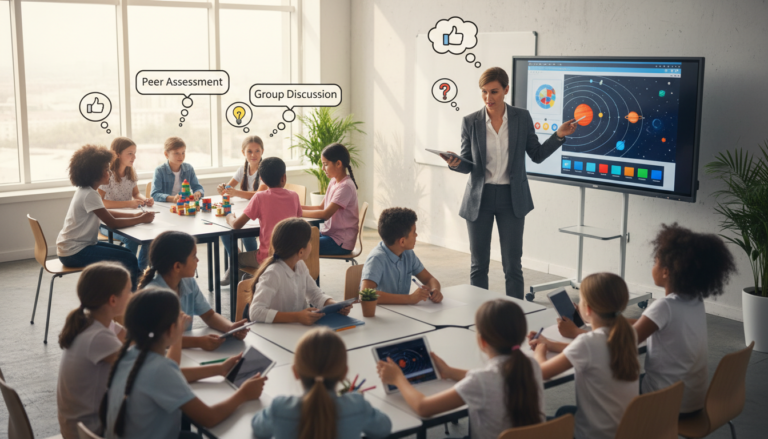
Implementing surveys, student reflections, and peer assessments can help gauge the effectiveness of different strategies. Asking students for feedback not only allows for improvement but also incorporates their voices into the PE curriculum.
2. Student Journals
Encouraging students to maintain journals tracking their progress and feelings about different activities can provide valuable insights for both students and educators.
3. Performance Metrics
Establishing performance metrics that focus not just on physical skills, but also on participation and enjoyment can provide a holistic view of PE success for students with learning disabilities.
Conclusion
Innovative Approaches to PE: Engaging Students with Learning Disabilities in Active Learning is not just a lofty ideal but a vital necessity. By integrating concepts of UDL, technology, cooperative learning, and adaptive equipment, educators can create an environment where every student thrives.
Through real-time collaboration, student feedback, and continuous adaptation of teaching methods, we can pave the way for a more inclusive future in physical education.
Motivational Takeaway
Let’s commit to embracing the differences that make our classrooms unique. By fostering active participation and encouraging joy in movement, we can collectively empower all students to feel valued and capable within the realm of physical education.
FAQs
- What are some common challenges faced by students with learning disabilities in PE?
- Students may struggle with coordination, social interaction, focus, or understanding game rules, which can discourage participation.
- What are some common challenges faced by students with learning disabilities in PE?
- How can teachers adapt their teaching methods for students with learning disabilities?
- Implement strategies like UDL, provide adaptive equipment, use clear communication, and involve students in self-advocacy.
- How can teachers adapt their teaching methods for students with learning disabilities?
- What role does technology play in engaging students with learning disabilities in PE?
- Technology offers personalized progress tracking and gamified experiences that can motivate students and enhance engagement.
- What role does technology play in engaging students with learning disabilities in PE?
- How can physical education programs measure success in engaging students with disabilities?
- Success can be assessed through participation levels, skill improvement metrics, student feedback, and emotional engagement.
- How can physical education programs measure success in engaging students with disabilities?
- Where can teachers learn more about innovative approaches to PE?
- Educators can explore workshops, professional development courses, and online resources focused on inclusive teaching strategies.
- Where can teachers learn more about innovative approaches to PE?
By adopting these innovative approaches, we can truly transform the landscape of physical education to ensure that all students, regardless of their learning abilities, engage effectively in active learning.
About the Author