Introduction
In an era where the justice system is under scrutiny, the conversation around rehabilitation versus punishment has never been more critical. The intersection of mental health, economics, and social responsibility draws many to reconsider traditional correctional methods. The future of rehabilitation is not merely about keeping offenders out of prison but also about reintegrating them as productive members of society. In this landscape, innovative approaches in correctional counseling serve as a beacon of hope, promising transformative change for individuals and communities alike.
By shedding light on successful programs, trends, and technologies shaping the future, we will explore how innovative approaches to correctional counseling can pave the way for a new understanding of justice. Join us as we delve deep into this multifaceted topic, highlighting the essential shifts that are redefining rehabilitation in the 21st century.
The Power of Restorative Justice: A Paradigm Shift
Understanding Restorative Justice
Restorative justice is about healing rather than punishment. This approach focuses on repairing the harm caused by criminal behavior through active involvement of all stakeholders, including victims, offenders, and community members.
A Case Study: The Restorative Justice Program in New Zealand
New Zealand’s youth justice system has successfully implemented restorative justice practices that have achieved remarkable results. In a landmark study:
- Recidivism Rates: The recidivism rate dropped to 10% for participants compared to the national average of 40%.
- Victim Satisfaction: Approximately 80% of victims reported feeling satisfied with the restitution process.
This program highlights the potential of restorative justice as not only an innovative approach in correctional counseling but a sustainable model for rehabilitation.
Benefits and Challenges
While restorative justice holds promise, it is not without challenges. For instance:
- Cultural Acceptance: Different communities have varying levels of acceptance toward restorative processes.
- Training: Adequate training for facilitators is essential for maintaining the integrity of the processes.
Conclusion of Section
Restorative justice exemplifies how innovative approaches in correctional counseling can foster real community healing by prioritizing relationships over punishment.
Cognitive Behavioral Therapy: A Game Changer
Overview of Cognitive Behavioral Therapy (CBT)
Cognitive Behavioral Therapy focuses on changing negative thought patterns that lead to maladaptive behaviors. This approach is particularly effective for offenders who struggle with substance abuse, anger management, or mental health issues.
A Case Study: The National Institute of Justice’s Assessment of CBT Programs
Research by the National Institute of Justice found that:
- Completion Rates: Inmates who participated in CBT had a 25% higher completion rate in rehabilitation programs compared to those who did not.
- Lower Recidivism: Inmates who underwent CBT exhibited a 30% reduction in recidivism within three years of release.
This evidence powerfully illustrates how CBT represents a critical component in the future of rehabilitation.
Practical Application
CBT can be integrated into correctional facilities, where trained counselors help inmates identify and challenge harmful thought patterns.
Conclusion of Section
By equipping inmates with the tools to change their thinking, CBT stands as an essential innovative approach in correctional counseling that directly impacts their reintegration into society.
Technology-Driven Rehabilitation: The Digital Frontier
The Rise of Telehealth in Correctional Counseling
The advent of technology has introduced new modalities for providing support and counseling to inmates. Telehealth, for example, offers remote access to mental health professionals, which can significantly reduce barriers to care and improve outcomes.
A Case Study: The Telehealth Initiative in California Prisons
California has implemented a telehealth program in several prisons, resulting in:
- Access to Care: 70% of inmates reported increased access to mental health services.
- Satisfaction Rates: Surveys indicated that 90% of participants felt satisfied with the telehealth experience.
Other Technological Innovations
From mobile apps providing mental health resources to virtual reality programs for social skills training, technology is reshaping rehabilitation counseling.
Conclusion of Section
As we embrace these technological advancements, we are moving closer to a future where rehabilitation is accessible to all, regardless of physical or environmental constraints.
Community-Based Programs: A Holistic Approach
Importance of Community Support
Community-based rehabilitation programs emphasize the role of family and social systems in fostering change. Research suggests that a supportive community can significantly impact an ex-offender’s chances of reintegrating successfully.
A Case Study: The Fortune Society in New York
The Fortune Society focuses on comprehensive support for people returning to their communities after incarceration. Their results speak volumes:
- Employment Rates: Over 70% of participants secure employment within six months of release.
- Recidivism: The recidivism rate for their participants is significantly lower than the national average.
Collaborative Models: Bridging Services
These programs often partner with local services such as housing agencies, workforce development organizations, and mental health facilities, creating a network of support.
Conclusion of Section
Community-based programs represent a sustainable future of rehabilitation by embedding correctional counseling within the fabric of the community, emphasizing the shared responsibility in fostering change.
The Role of Education in Rehabilitation
Educational Opportunities for Inmates
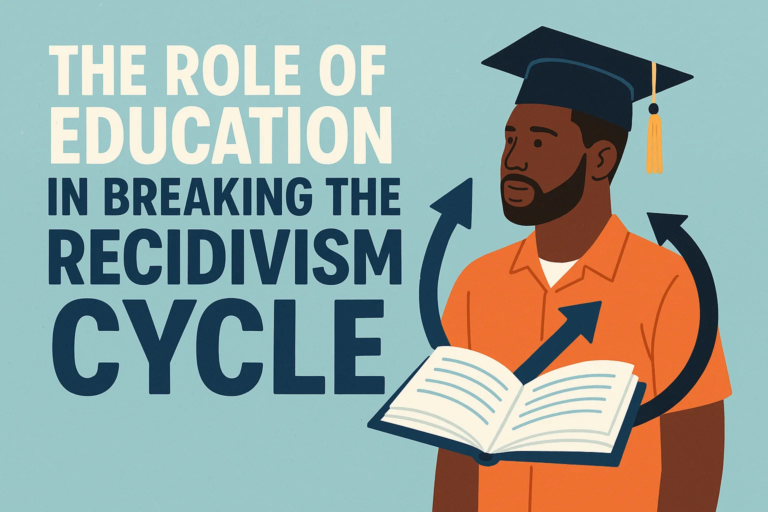
Education is one of the most powerful tools for reducing recidivism. Providing inmates with educational opportunities can empower them with knowledge and skills that foster successful reintegration.
A Case Study: The Bard Prison Initiative
The Bard Prison Initiative has transformed lives by offering college courses to incarcerated individuals.
- Graduation Rates: Among participating inmates, 68% graduate with a degree, a stark contrast to the national college completion rate.
- Recidivism: The program reports recidivism rates of only 4.5%.
Why Education Works
Education not only fosters self-esteem but also equips inmates with marketable skills, increasing their employability and decreasing their likelihood of returning to crime.
Conclusion of Section
As seen through innovative educational initiatives, the future of rehabilitation thrives on the knowledge that education can redefine outcomes for individuals and communities alike.
Conclusion
The future of rehabilitation: innovative approaches in correctional counseling offers a promising horizon. From restorative justice and Cognitive Behavioral Therapy to technology-driven solutions and community-based programs, there are many pathways towards meaningful reform. Each innovative strategy contributes uniquely, forging a system that emphasizes healing, personal growth, and reintegration.
As we envision a justice system rooted in rehabilitation, it is essential to advocate for these transformative practices, ensuring that every individual has access to the support they need to build their futures. Empowerment through innovative approaches can lead to a more just society, where rehabilitation is prioritized over punishment, ultimately benefiting us all.
FAQs
1. What is restorative justice?
Restorative justice is a process aimed at repairing the harm caused by crime through collaborative discussions involving victims, offenders, and community members.
2. How effective is Cognitive Behavioral Therapy in correctional settings?
Studies indicate that inmates who participate in CBT programs show significant reductions in recidivism rates and improved coping skills, making it a promising approach in rehabilitation.
3. How does technology enhance correctional counseling?
Telehealth and digital tools offer increased access to mental health and rehabilitation services, helping bridge the gap for inmates who may otherwise face barriers to care.
4. Why is education important for inmates?
Educational opportunities help inmates acquire skills essential for employment, thereby reducing recidivism and promoting successful reintegration into society.
5. What role does community play in rehabilitation?
Community support systems provide essential resources and connections for individuals transitioning back into society, fostering accountability, social engagement, and stability.
This comprehensive exploration of "The Future of Rehabilitation: Innovative Approaches in Correctional Counseling" not only outlines essential practices but also inspires a movement toward a more just and rehabilitative justice system. Let’s seize this opportunity for change, creating a brighter future for all.
Further Keywords for SEO
- Innovative correctional programs
- Effective rehabilitation techniques
- Community reintegration strategies
- Telehealth correctional services
- Education in prisons
By weaving these elements together, we can ensure that the topic is engaging, informative, and aligned with SEO practices, paving the way for impactful discussions around rehabilitation in correctional counseling.
About the Author