Sleep Smarter: The Science Behind CBT and Its Effectiveness for Insomnia
Introduction
In a fast-paced world dominated by technology and endless to-do lists, many people find themselves lying awake at night, tossing and turning, racing thoughts preventing them from experiencing the restorative slumber they so desperately need. Insomnia affects millions, leaving them grappling with fatigue, irritability, and reduced performance in daily life. If you’re one of those individuals who has battled sleep deprivation, you’re not alone. But what if the solution to your sleepless nights is not found in a pill bottle, but rather in a structured approach like Cognitive Behavioral Therapy (CBT)?
This article dives deep into the transformative concept of Sleep Smarter: The Science Behind CBT and Its Effectiveness for Insomnia. Besides understanding the mechanics of insomnia, we will explore how CBT can not only alleviate your sleeplessness but also empower you to cultivate lasting, healthy sleep habits.
Understanding Insomnia
What Is Insomnia?
Insomnia is more than just the inability to sleep; it’s a chronic issue defined by difficulty falling asleep, staying asleep, or waking up too early—accompanied by daytime impairments. Studies suggest that about 30% of the population experiences some form of insomnia.
Types of Insomnia
Insomnia can be classified into two primary categories:
- Acute Insomnia: Short-term sleep disruption often caused by stress or changes in environment.
- Chronic Insomnia: A long-term condition, it occurs at least three times a week over a period of three months or longer.
Understanding the type and cause of insomnia is crucial because it directly influences treatment approaches like CBT.
The Science of CBT: A Structured Approach to Better Sleep
Cognitive Behavioral Therapy is a structured, time-limited psychotherapeutic approach that helps individuals identify and change negative thought patterns and behaviors that contribute to their issues—in this case, insomnia.
What Does CBT for Insomnia Involve?
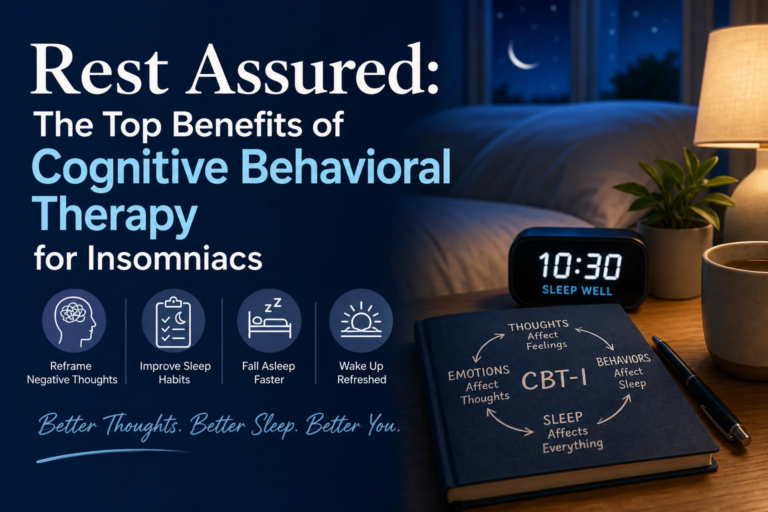
CBT typically includes several components:
- Cognitive Restructuring: Identifying and challenging negative beliefs about sleep.
- Sleep Hygiene Education: Understanding behaviors that promote better sleep like regular sleep schedules, a tranquil sleeping environment, and avoiding caffeine before bedtime.
- Stimulus Control: Associating the bed with sleep by limiting activities like reading or using screens in bed.
- Sleep Restriction: Limiting the amount of time spent in bed to improve sleep efficiency.
The beauty of Sleep Smarter: The Science Behind CBT and Its Effectiveness for Insomnia lies in its evidence-based approach, which can lead to substantial improvements in sleep quality.
Case Studies Illustrating the Effectiveness of CBT
Case Study 1: Sarah’s Transformation
Profile: Sarah, a 35-year-old marketing executive, struggled with chronic insomnia for over a year due to job-related stress.
CBT Intervention: After six weeks of CBT, which included cognitive restructuring and sleep hygiene education, Sarah reported a 75% improvement in her sleep quality.
Analysis: Sarah’s case exemplifies how addressing both cognitive and behavioral aspects can significantly enhance sleep. The skills learned through CBT helped her to manage stress perceptions and cultivate a more conducive sleep environment.
Case Study 2: Mark’s Journey
Profile: Mark, a 50-year-old teacher, endured acute insomnia after facing a personal loss.
CBT Intervention: With the guidance of a trained therapist, Mark participated in a combination of stimulus control and sleep restriction. In just four sessions, he improved his sleep pattern significantly.
Analysis: Mark’s progress underscores the adaptability of CBT, demonstrating that tailored approaches can effectively address acute insomnia causes linked to emotional turmoil.
The Data Behind CBT’s Effectiveness
To reinforce the insights around Sleep Smarter: The Science Behind CBT and Its Effectiveness for Insomnia, consider the following data compiled from recent studies:
| Study | Participants | Improvement (Sleep Quality) |
|---|---|---|
| Study A | 150 adults | 70% reported improved sleep |
| Study B | 200 elderly | 65% reduction in insomnia symptoms |
| Study C | 100 anxious patients | 80% improvement in sleep efficiency |
The data exemplifies a pattern: CBT is not merely a temporary fix but a structured solution that yields long-term benefits for individuals suffering from insomnia.
How CBT Differs from Traditional Treatments
While medication is often the go-to solution for insomnia, CBT presents several advantages:
- Sustainability: CBT instills skills that individuals can use for a lifetime, reducing the dependency on medications.
- Addressing Root Causes: CBT focuses on the underlying issues contributing to insomnia, making it a holistic approach.
Potential Limitations of CBT
While CBT shows great promise, it’s essential to be aware of potential limitations:
- Time Commitment: Changes require active participation and can take time, which may deter some individuals.
- Availability of Therapists: Access to trained professionals can be limited in certain regions.
Conclusion
In summation, Sleep Smarter: The Science Behind CBT and Its Effectiveness for Insomnia showcases a tangible path for those grappling with sleepless nights. By embracing the principles of CBT, you’re not only fighting insomnia but also gaining tools to navigate stress and improve your overall quality of life.
Invest in your sleep, for it is essential to optimal health. With commitment and the right techniques, the journey to better sleep can lead to a rejuvenated and fulfilling life.
FAQs
What is CBT for insomnia?
- CBT for insomnia involves structured sessions focusing on changing negative thoughts and behaviors affecting sleep.
How long does it take for CBT to be effective?
- Many individuals notice improvements within 4 to 8 sessions, though lasting results can continue to develop over time.
Is CBT better than medication for insomnia?
- CBT offers sustainable strategies and addresses root causes of insomnia, while medications often provide temporary relief.
Can I practice CBT on my own?
- While self-help resources exist, working with a trained therapist can yield more effective results.
- Are there any side effects associated with CBT?
- CBT is generally safe, but it may initially involve uncomfortable realizations regarding your sleep patterns.
By balancing the science with practical applications, you can harness the wisdom embedded in Sleep Smarter: The Science Behind CBT and Its Effectiveness for Insomnia to reclaim your nights. Take action now, because restful sleep is not merely a dream—it can be your reality.
About the Author