Introduction
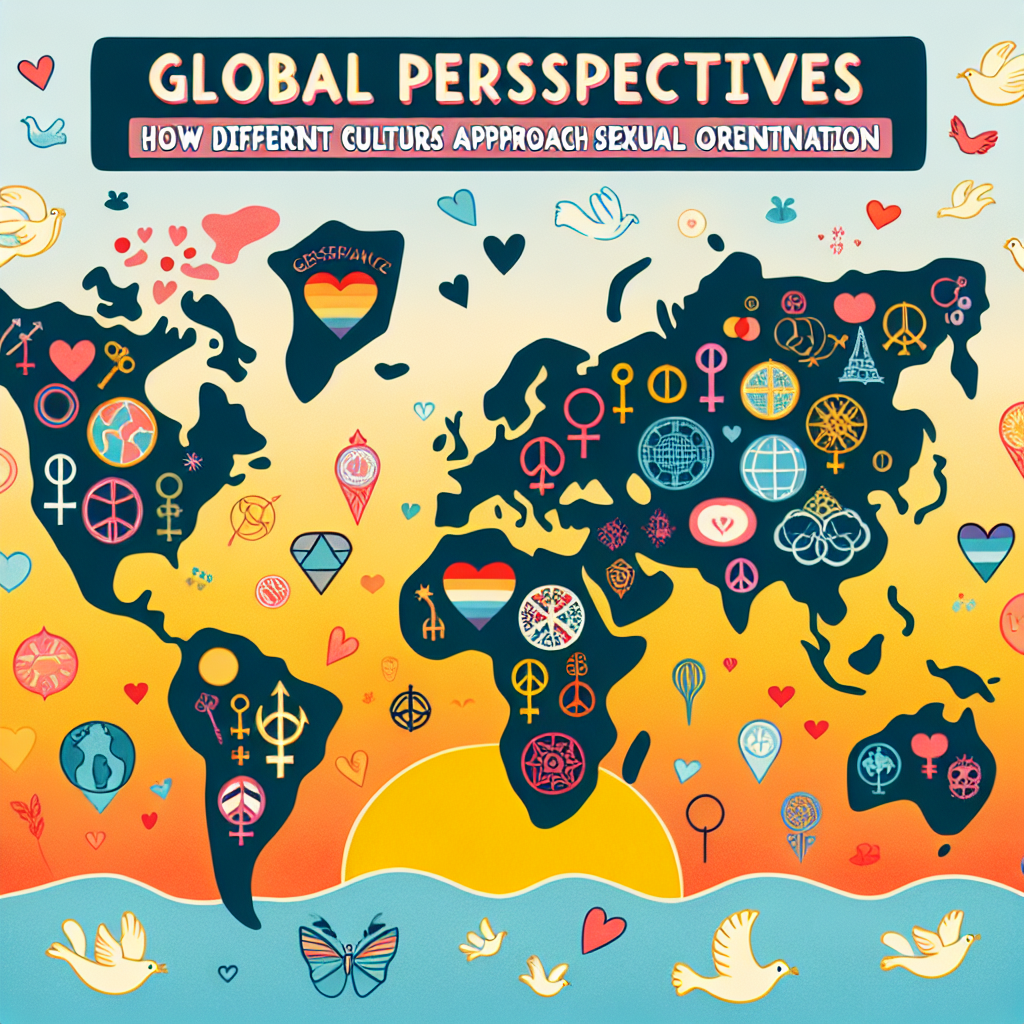
In a world increasingly defined by globalization, understanding how different cultures approach sexual orientation is not just academic but essential. With diverse perspectives spanning continents, traditions, and belief systems, the subject of sexual orientation is complex and multifaceted. From acceptance and celebration to taboo and rejection, cultural responses shape individual lives profoundly. This article—Global Perspectives: How Different Cultures Approach Sexual Orientation—delves into these varied approaches, offering unique insights and compelling case studies that illuminate this vital subject.
The Landscape of Sexual Orientation
1. Definitions and Terms
Understanding sexual orientation begins with definitions. Common terms include:
- Heterosexual: Attraction to the opposite sex.
- Homosexual: Attraction to the same sex.
- Bisexual: Attraction to both genders.
- Asexual: Lack of sexual attraction to any gender.
- Pansexual: Attraction to people regardless of gender identity.
These definitions can vary across cultures, leading to different understandings of what it means to identify as part of the LGBTQ+ community.
2. Cultural Influences on Sexual Orientation
The approach to sexual orientation is deeply embedded in a culture’s values, beliefs, and sociopolitical context. Key influences include:
- Religion: Different religions may have varying teachings about sexuality, influencing societal acceptance or condemnation.
- Legislation: Laws governing sexual orientation can either empower individuals or enforce oppression.
- Tradition: Cultural traditions and practices can shape the views of communities, affecting attitudes towards diverse sexual orientations.
A Global Overview
3. North America: A Journey Towards Acceptance
In North America, particularly in the United States and Canada, there has been a significant shift towards acceptance of diverse sexual orientations over recent decades. Landmark events such as the legalization of same-sex marriage and the recognition of LGBTQ+ rights have paved the way for greater inclusivity.
Case Study: The Pulse Nightclub Shooting
The tragic shooting at the Pulse nightclub in Orlando, Florida, in 2016 galvanized the LGBTQ+ community and its allies, sparking conversations around hate crimes and the need for support systems. This event highlighted how violence against the LGBTQ+ community could lead to advocacy for change.
Analysis: The Pulse tragedy illustrates the pressing need for understanding and supporting different sexual orientations, urging societies to foster environments where such atrocities cannot occur.
4. Europe: A Mosaic of Acceptance and Resistance
Europe presents a mixed bag of attitudes towards sexual orientation, with countries like Sweden and the Netherlands leading in LGBTQ+ rights, while others like Hungary enact laws that restrict them.
Case Study: The Queer Festival in Budapest
Hungarian LGBTQ+ activists annually hold pride parades and festivals despite facing opposition from the government and a substantial portion of the population.
Analysis: This annual event serves as a beacon of hope, showing resilience against cultural and legal barriers.
5. Asia: Tradition Meets Modernity
In Asia, the approach to sexual orientation varies widely. Countries like India and Thailand exhibit progressive attitudes, while others enforce strict penalties against LGBTQ+ identities.
Case Study: Decriminalization of Homosexuality in India
In 2018, India’s Supreme Court decriminalized homosexuality, overturning a colonial-era law. This decision marked a significant advancement for LGBTQ+ rights in a nation where tradition and modernity often clash.
Analysis: This landmark ruling demonstrates the complexities of balancing cultural heritage with the demand for equality in a rapidly evolving society.
6. Africa: Struggles and Progress
The African continent presents a challenging landscape for LGBTQ+ individuals, with numerous countries enforcing severe penalties against homosexuality.
Case Study: The Role of Activism in South Africa
While South Africa’s constitution is lauded for its protections against discrimination based on sexual orientation, many LGBTQ+ individuals still face violence and prejudice. Activist organizations are working hard to bridge the gap between legal rights and societal acceptance.
Analysis: This case underscores the tension between progressive legislation and cultural attitudes, illustrating how activism can drive change.
7. South America: A Cultural Renaissance
South America shows a growing acceptance of different sexual orientations, particularly in nations like Argentina, which was among the first to legalize same-sex marriage in 2010.
Case Study: Argentine Pride Parades
Pride parades in Argentina draw massive crowds, combining celebration with advocacy for LGBTQ+ rights.
Analysis: Events like these exemplify how cultural expression can unite communities and foster acceptance of diverse sexual orientations.
Tables and Data Insights
A Comparative View of LGBTQ+ Rights
| Region | Same-Sex Marriage | Anti-Discrimination Laws | Homophobia Prevalence |
|---|---|---|---|
| North America | Yes | Yes | Moderate |
| Europe | Yes (Varies) | Yes | Low to Moderate |
| Asia | Limited | Limited (Varies) | High |
| Africa | Limited | Limited | Very High |
| South America | Yes (Most) | Yes | Moderate |
Key Statistics
- Pew Research Center (2021): 72% of Americans support same-sex marriage.
- ILGA (2020): Over 70 countries still enforce laws against homosexuality.
Challenges to Acceptance
8. Societal Norms and Stigma
Cultural stigma remains one of the largest barriers to acceptance of diverse sexual orientations. Societal pressure to conform often leads individuals to remain in the closet, inhibiting open dialogue.
9. The Role of Education
Promoting education on sexual orientation can help reduce stigma. Comprehensive sex education introduces concepts of diversity in sexual orientation to younger generations, fostering acceptance.
10. Media Representation
Increasing representation of LGBTQ+ individuals in media can help normalize different sexual orientations. The portrayal of diverse identities in films, television, and literature can contribute to greater social acceptance.
Conclusion
Global Perspectives: How Different Cultures Approach Sexual Orientation underscores a vital cultural dialogue, revealing that attitudes towards sexual orientation are not monolithic. As globalization continues to blur the lines of tradition, a more inclusive world is within reach.
To foster such a world, individuals can engage in conversations about sexual orientation, advocate for policy changes, and support marginalized communities. By recognizing and celebrating the diversity across cultures, we can create environments where all identities are validated, respected, and accepted.
FAQs
1. What is the difference between sexual orientation and gender identity?
Sexual orientation refers to whom one is attracted to, while gender identity pertains to an individual’s personal sense of their gender.
2. Why do cultural beliefs impact sexual orientation?
Cultural beliefs shape societal norms, which in turn influence how individuals perceive and express their sexuality.
3. Are there cultures that have always accepted LGBTQ+ identities?
Yes, various Indigenous cultures have recognized Two-Spirit and other non-binary identities long before modern societal constructs emerged.
4. What is the importance of representation in media for LGBTQ+ individuals?
Representation in media helps normalize diverse sexual orientations, reducing stigma and fostering acceptance within society.
5. How can I advocate for LGBTQ+ rights in my community?
You can advocate by educating yourself and others, participating in local LGBTQ+ organizations, and supporting legislation that promotes equality.
In exploring Global Perspectives: How Different Cultures Approach Sexual Orientation, we come to appreciate the richness of human experience and the continuous journey towards inclusivity and understanding.
About the Author


The PsyForU Editorial Collective is the research and editorial team of PsyForU Research International. The collective prepares educational, psychological, mental-health-awareness, inclusion, neurodiversity, and research-methodology content for students, parents, educators, researchers, and general readers. PsyForU content is intended for awareness, education, and capacity-building and should not be treated as clinical diagnosis, therapy, medical advice, legal advice, or emergency mental-health support.