Introduction
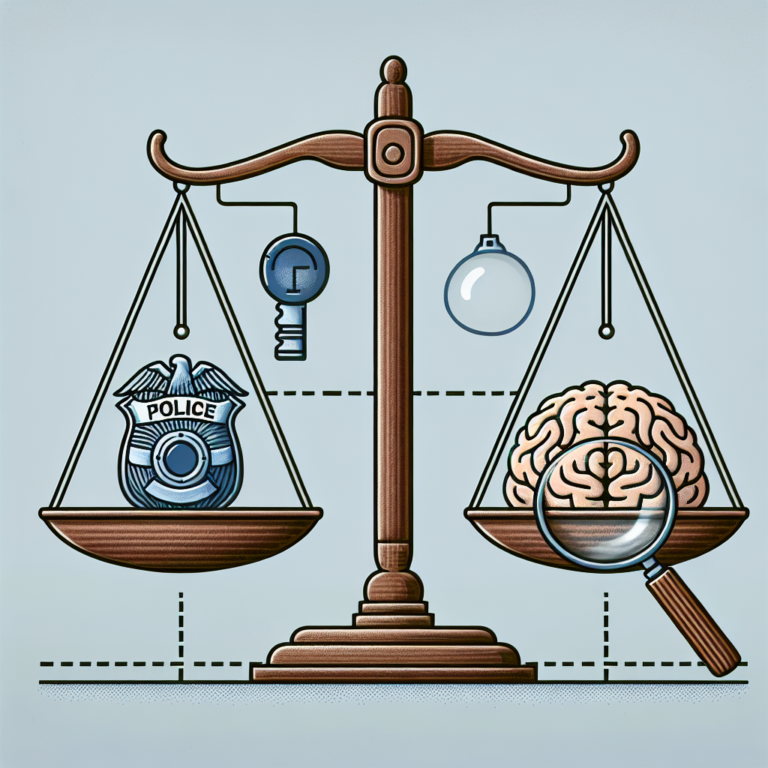
In the intricate landscape of the criminal justice system, the intersection of rights and psychological competence is more than a legal formality—it’s a vital framework that ensures fairness and justice. Miranda Rights and Competence: Balancing Justice with Psychological Understanding serves as both the foundation and the battleground of these issues. When an individual is taken into custody, they are presented with the Miranda warning—an essential procedure designed to protect their constitutional rights. However, these rights only hold sanctity if they are exercised by individuals who are capable of understanding them. This raises critical questions: What does it mean to be competent? How does psychological understanding influence the application of these rights?
This article will delve into these complexities, shedding light on the importance of marrying psychological evaluation with legal processes. Through comprehensive case studies and insightful analysis, we will explore how justice is balanced with an understanding of human psychology, ultimately seeking a more equitable judicial system.
Understanding Miranda Rights
The Origin of Miranda Rights
The origins of Miranda Rights can be traced back to the landmark U.S. Supreme Court case Miranda v. Arizona (1966). Ernesto Miranda was arrested and interrogated without being informed of his rights against self-incrimination. His confession was later deemed inadmissible, establishing a requirement for law enforcement to inform suspects of their rights before questioning.
The Four Components of Miranda Rights
- The Right to Silence: Suspects are informed that they have the right to remain silent.
- Consequences of Speaking: They must be made aware that any statement they make can be used against them in court.
- The Right to an Attorney: Individuals have the right to consult with an attorney before and during interrogation.
- Knowing and Intelligent Waiver: For any confession to be admissible, the suspect must knowingly and intelligently waive these rights.
Importance of Understanding These Rights
The essence of Miranda Rights and Competence: Balancing Justice with Psychological Understanding lies in the notion that individuals must fully grasp their rights to exercise them effectively. This understanding is crucial for preventing coerced confessions and protecting the innocent.
The Complexity of Competence
What Does Competence Mean?
Competence generally refers to a person’s ability to make informed decisions, understand legal proceedings, and participate meaningfully in their defense. This notion encompasses both cognitive and emotional dimensions, demanding that defendants are not just aware of their rights but also capable of exercising them.
Factors Affecting Competence
- Mental Health Issues: Conditions such as schizophrenia, severe anxiety, or depression can impair a person’s ability to understand their rights.
- Cognitive Disabilities: Intellectual disabilities or brain injuries can hinder comprehension and critical thinking.
- Age and Maturity: Young individuals may lack the psychological maturity to fully grasp the legal landscape.
Evaluating Competence
Legal standards for assessing competence to stand trial can vary but generally involve psychological evaluations conducted by trained professionals. Factors such as the individual’s understanding of the charges, ability to communicate with an attorney, and appreciation of possible consequences are assessed.
Case Study: Godinez v. Moran (1993)
In Godinez v. Moran, the U.S. Supreme Court ruled that a defendant’s competence to waive legal representation is tied to their understanding of the proceedings. The case highlights the intricate relationship between Miranda Rights and psychological competence, underscoring the importance of ensuring defendants are both mentally sound and educated about their rights.
Evaluating Competency Versus Informed Consent
Table 1: Differences Between Competency and Informed Consent
| Aspect | Competency | Informed Consent |
|---|---|---|
| Definition | Ability to understand and participate | Agreement to a procedure or treatment |
| Assessment | Psychological evaluation | Information disclosure |
| Legal Context | Criminal justice | Medical/scientific contexts |
| Application | Trial readiness, understanding rights | Participation in treatment/procedures |
Psychological Understanding: The Hidden Layer
The Role of Psychological Evaluations
Psychological evaluations are critical in assessing competence. These evaluations can reveal cognitive impairments or emotional disturbances, guiding the court’s decision on whether an individual can comprehend their rights and participate in legal proceedings.
Implications for Justice
Failing to consider a defendant’s psychological state can lead to injustices, including wrongful convictions or inappropriate sentencing. Understanding mental health and cognitive abilities allows for a more nuanced approach to justice.
Case Study: Indiana v. Edwards (2008)
The Indiana v. Edwards case brought forth the discussion of mental competence and the right to self-representation. The Supreme Court ruled that states could insist on representation for defendants who are mentally incompetent, emphasizing that while individuals may not understand the intricacies of their rights, the state must ensure their right to fair representation is upheld.
The Psychological Impact of Legal Proceedings
Legal processes can exacerbate existing mental health issues, creating a cyclical problem where individuals become less competent as they face legal challenges. This reality necessitates a compassionate and informed approach to legal representation.
Balancing Justice and Psychological Understanding
Bridging the Gap
The intersection of Miranda Rights and psychological competence reveals a pressing need for legal practitioners to develop a deeper understanding of psychology. Training for law enforcement and legal professionals on mental health issues can foster better outcomes and fairer treatment of defendants.
Best Practices for Law Enforcement
- Training on Mental Health: Officers should receive training to recognize mental health issues during initial interactions.
- Clear Communication: Utilize straightforward language when explaining rights.
- Referral for Evaluation: In cases where competence is in question, law enforcement must have protocols for psychological evaluation.
Case Study: The Role of Diversion Programs
Diversion programs offer alternatives to incarceration for individuals with mental health issues. By providing therapeutic support instead of punitive measures, these programs exemplify a balanced approach to Miranda Rights and Competence: Balancing Justice with Psychological Understanding.
Statistical Insight
Table 2: Impact of Diversion Programs on Recidivism Rates
| Program Type | Recidivism Rate (After One Year) | Success Rate (Treatment Completion) |
|---|---|---|
| Traditional Incarceration | 50% | N/A |
| Mental Health Diversion | 25% | 70% |
| Substance Abuse Diversion | 30% | 80% |
Reforming the Judicial Process
Compassionate Legal System
The aim is to create a compassionate legal system that values psychological understanding as much as it does legal rights. This could involve policy changes, such as:
- Mandatory mental health screenings in criminal cases.
- Incorporating mental health professionals into the legal team.
- Utilizing restorative justice models to address deeper societal issues.
Integrating Mental Health into Legal Education
Law schools and professional training programs should integrate mental health education into their curricula. Understanding psychological principles will enable future lawyers to advocate more effectively for the rights of their clients.
Conclusion
As we navigate the complex terrain of the criminal justice system, it becomes increasingly clear that Miranda Rights and Competence: Balancing Justice with Psychological Understanding is not just a legal concern—it’s a moral imperative. Awareness and understanding of our rights are foundational to justice. However, it is equally fundamental that every individual’s mental capacity to comprehend these rights is assessed and accommodated in the legal process.
The judicial system must strive for a delicate balance that respects individual rights while accounting for the complexities of human psychology. By embracing this dual focus on legal and psychological well-being, we can foster a more equitable, just system that truly serves and protects all citizens.
FAQs
1. What are Miranda Rights?
Miranda Rights are legal rights that must be informed to individuals upon arrest, informing them of their right to remain silent and the right to an attorney.
2. How is competence evaluated in court?
Competence is typically assessed through psychological evaluations that measure a defendant’s understanding of the charges, their ability to communicate with counsel, and their appreciation of the court process.
3. What happens if a defendant is found incompetent?
If a defendant is found incompetent, legal proceedings may be delayed until they receive appropriate treatment to restore their competence.
4. Can individuals waive their Miranda Rights?
Yes, individuals can waive their Miranda Rights, but the waiver must be made knowingly and intelligently to be valid.
5. How can the legal system better account for mental health issues?
The legal system can improve by integrating mental health screenings, providing training for police and legal professionals, and establishing diversion programs for those with psychological issues.
In this exploration of Miranda Rights and Competence: Balancing Justice with Psychological Understanding, we uncover the vital relationship between understanding one’s rights and the psychological capacity to exercise them. It’s a conversation that is essential for the evolution of a just legal system and a fair society.
About the Author