Introduction
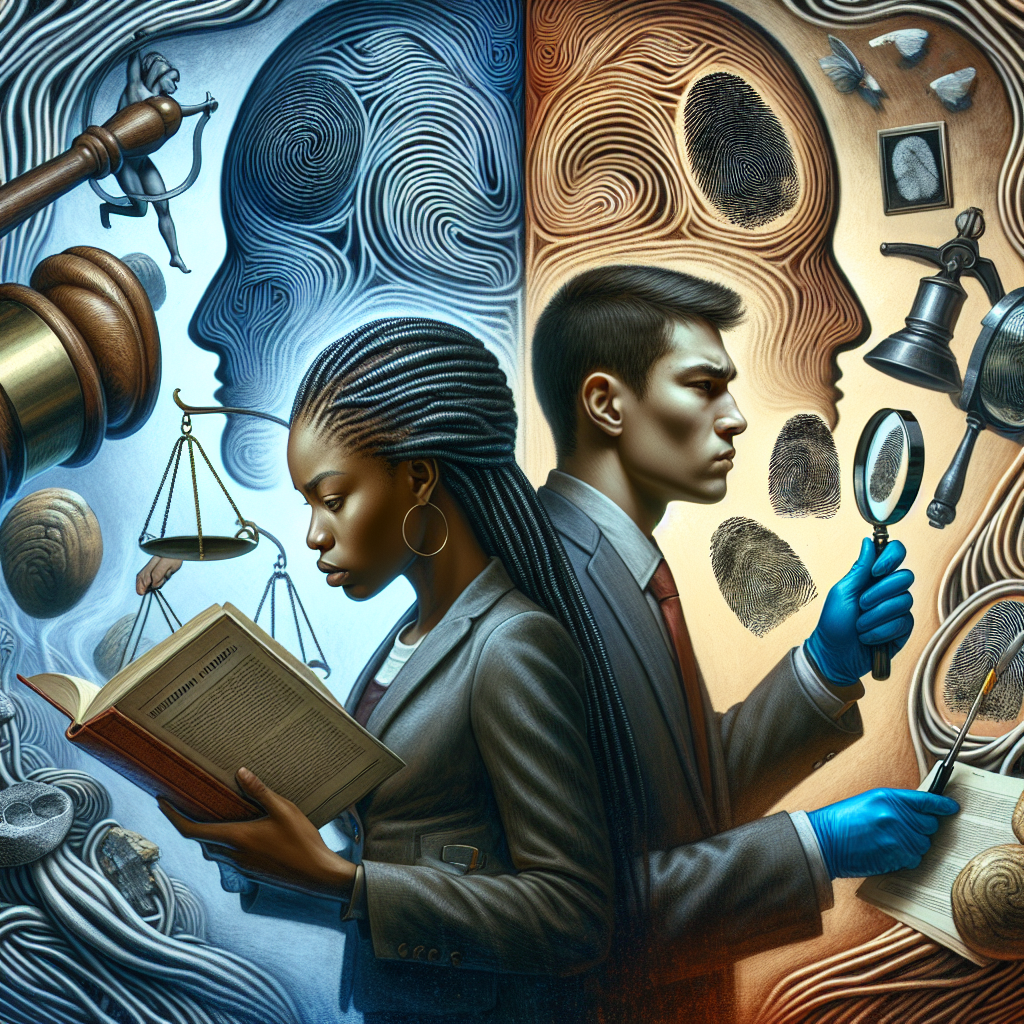
Forensic psychology stands at the exciting intersection of psychology and the law, playing a crucial role in understanding and solving crimes. As we dive deeper into this field, the question arises: Profiler or Investigator? Discovering the Many Paths in Forensic Psychology can provide insight not only into crime-solving strategies but also into the diverse career paths available within this fascinating discipline. Whether you’re a budding psychologist, a criminal justice student, or someone simply captivated by true crime, understanding these paths can empower your journey in forensic psychology.
The Basics of Forensic Psychology
Before we delve into specific roles, it’s essential to establish what forensic psychology encompasses. Forensic psychologists apply psychological principles to legal issues. They might work with law enforcement to develop criminal profiles, evaluate defendants’ competency to stand trial, or provide expert testimony in court. The breadth of this field means that individuals can take on multiple roles, each offering unique challenges and rewards.
Understanding the Role of the Profiler
What Is a Criminal Profiler?
A criminal profiler specializes in understanding the behavior and psychology of criminals to predict their actions. The role often involves analyzing crime scenes, studying behavioral patterns, and creating psychological profiles of offenders. This role gained widespread public recognition through television shows and films, most notably through characters like those from "Criminal Minds."
Case Study: The Unabomber
One historical case where profiling played a critical role is that of Ted Kaczynski, more commonly known as the Unabomber. By analyzing the characteristics of his writings and his targets, profilers could provide law enforcement with valuable insights that ultimately led to his arrest. This case underscores how effective profiling can steer investigations in the right direction.
Skills Required for Profilers
To excel as a profiler, several skills and competencies are essential:
- Analytical Skills: The ability to assess and interpret complex behaviors.
- Research Skills: Knowledge of psychology, criminology, and relevant laws.
- Communication Skills: Clear reporting to law enforcement and sometimes the public.
- Empathy and Intuition: Understanding the psychological motivations behind criminal acts.
Career Path Opportunities for Profilers
Becoming a profiler typically requires a strong educational foundation in psychology, criminology, or a related field. Graduates often begin in law enforcement roles or as psychologists to gain relevant experience. From there, they may pursue specialized training in criminal profiling.
The Investigator’s Perspective
What Is a Forensic Investigator?
A forensic investigator, in contrast to a profiler, focuses on collecting and analyzing physical evidence from crime scenes. They work in tandem with law enforcement to uncover facts that will lead to solving cases, processing evidence, and presenting findings in court.
Case Study: The Casey Anthony Trial
The Casey Anthony trial highlighted the critical role of forensic investigators. Evidence collection, such as forensic DNA analysis of hair and the examination of the crime scene, contributed significantly to the trial’s outcome. Investigators played a pivotal role in shaping the evidence narrative.
Skills Required for Investigators
Forensic investigators require a different skill set than profilers, including:
- Technical Skills: Familiarity with forensic technology and techniques.
- Attention to Detail: The ability to notice nuances that could affect a case.
- Problem-Solving Skills: Creativity in overcoming investigative hurdles.
- Teamwork: Collaborating closely with police and prosecutors.
Career Path Opportunities for Investigators
A career as a forensic investigator typically starts with a background in criminal justice or a related field. Many professionals begin as police officers before specializing in forensics. Certifications, often from respected forensic institutes, can enhance their qualifications and job prospects.
Comparative Analysis: Profiler vs. Investigator
A Table for Clear Comparison
| Aspect | Profiler | Investigator |
|---|---|---|
| Focus | Behavioral patterns of criminals | Physical evidence collection and analysis |
| Skills | Analytical, research, empathy | Technical, detail-oriented, problem-solving |
| Education Path | Psychology, criminology | Criminal justice, forensic science |
| Roles in the Investigation | Predicting criminal behavior | Gathering and analyzing evidence |
| Impact on Cases | Provides insights for profiling suspects | Establishes proof through tangible evidence |
Real-World Example: Bridging the Gap
To illustrate how profilers and investigators work together, consider a hypothetical crime where both roles are essential. In a serial homicide case, the profiler would analyze the killer’s psychological profile, while the investigator meticulously gathers physical evidence. Their collaboration can significantly enhance the chances of solving the case.
The Intersection of Profiler and Investigator
As forensic psychology evolves, the lines between profiling and investigative roles often blur. Many professionals find themselves incorporating elements from both areas to be more effective. For example, a forensic psychologist may assist in an investigation while also providing valuable insights into offender behavior.
The Growing Demand for Forensic Psychologists
With the ongoing interest in crime-related television shows and documentaries, there is an increasing public fascination with forensic psychology. This interest translates into a growing demand for specialized roles, making it an excellent time to enter the field.
Conclusion
The field of forensic psychology is rich with opportunities and challenges. Whether you are drawn to the analytical nature of profiling or the hands-on aspect of investigating, the choice between these paths can shape your career in meaningful ways. Profiler or Investigator? Discovering the Many Paths in Forensic Psychology is not just an academic inquiry; it’s a journey into understanding human behavior in the most extreme situations, and it beckons those who have a passion for unraveling the complexity of crime.
As you contemplate your future in forensic psychology, remember that both paths offer unique insights and the chance to contribute significantly to society. Embrace your curiosity and let it guide you to a career that aligns with your passions and values.
FAQs
1. What education is required to become a forensic psychologist?
Most forensic psychologists hold a master’s degree or a doctoral degree in psychology, with a focus on forensic psychology or criminal justice.
2. How do profilers gather information on criminals?
Profilers typically analyze crime scenes, study patterns of behavior, and utilize psychological theories to understand an offender’s motivations.
3. Are forensic investigators always police officers?
While many forensic investigators start as police officers, others may come from academic backgrounds in forensic science or criminal justice.
4. Can professionals switch between being a profiler and an investigator?
Yes, many professionals in forensic psychology find that skills in one area enhance their effectiveness in the other.
5. What is the job outlook for forensic psychologists?
The demand for forensic psychologists is expected to grow, particularly as interest in crime and investigations rises and more jurisdictions recognize the value of psychological insights in criminal cases.
In an age where crime-solving demands interdisciplinary approaches, understanding the nuances between profiling and investigation is essential for anyone interested in the field. Both roles play an indispensable part in unraveling the complexities of human behavior, thus illuminating the paths that can lead us to justice.
About the Author


The PsyForU Editorial Collective is the research and editorial team of PsyForU Research International. The collective prepares educational, psychological, mental-health-awareness, inclusion, neurodiversity, and research-methodology content for students, parents, educators, researchers, and general readers. PsyForU content is intended for awareness, education, and capacity-building and should not be treated as clinical diagnosis, therapy, medical advice, legal advice, or emergency mental-health support.