Introduction
In a world that is becoming increasingly interconnected and diverse, the significance of Diversity and Inclusion: I-O Psychology Strategies for a More Equitable Workplace cannot be overstated. Organizations are starting to recognize that a diverse workforce is not merely a box to check but a strategic advantage that enhances creativity, innovation, and overall performance. As industrial-organizational (I-O) psychology specialists dig deep into behavioral science, they unveil compelling strategies that foster equity, inclusivity, and a sense of belonging among employees. In this article, we will explore these strategies, supported by real-world case studies, actionable insights, and a conceptual framework geared towards creating a more equitable workplace.
Understanding Diversity and Inclusion
Defining Diversity
Diversity comprises various dimensions, including race, ethnicity, gender identity, sexual orientation, age, ability, and socioeconomic status, among others. Recognizing this multiplicity helps organizations harness a broader spectrum of experiences and perspectives.
The Importance of Inclusion
Inclusion goes beyond mere representation; it’s about fostering an environment where every employee feels valued, respected, and heard. Without inclusion, diversity can lead to tokenism or resentment rather than collaboration and innovation.
The Role of I-O Psychology
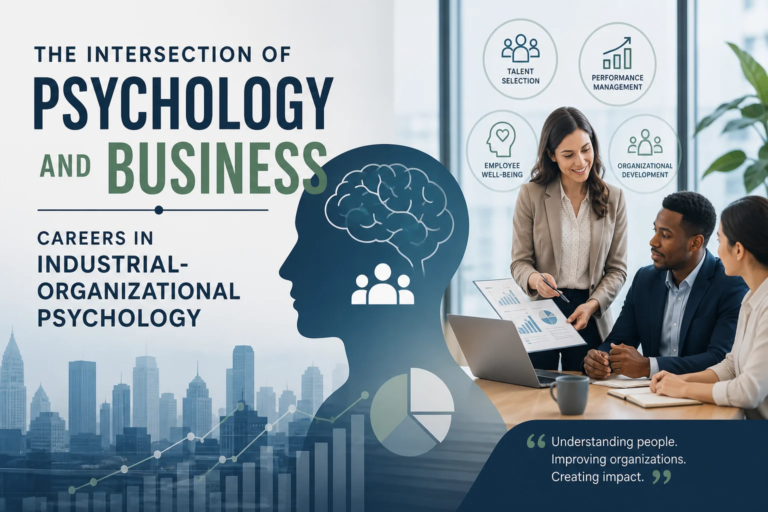
Industrial-organizational psychology examines human behavior in the workplace, guiding organizations on how to optimize employee performance and improve workplace culture. By applying I-O psychology principles, organizations can effectively implement strategies that enhance diversity and inclusion.
Diversity and Inclusion Strategies: A Framework
1. Assessing Current Culture and Climate
Start by measuring the current state of diversity and inclusion in your workplace. Utilize surveys, interviews, and focus groups to gather data. Identifying gaps can inform the development of a targeted action plan.
Case Study: Google’s Diversity Audit
In 2014, Google released data about its employee demographics, revealing significant gaps in diversity. Following this, they implemented various strategies, including unconscious bias training and targeted recruitment efforts. This transparency spurred internal changes, exemplifying how assessing workplace culture can be a launching point for effective Diversity and Inclusion: I-O Psychology Strategies for a More Equitable Workplace.
2. Training and Development Programs
Investing in training programs focused on diversity and inclusion is vital. These can range from workshops on unconscious bias to comprehensive leadership programs that emphasize inclusive behaviors.
Analysis of the Case Study: Starbucks
In 2018, Starbucks closed over 8,000 stores for a day to conduct anti-bias training for employees after an incident of racial profiling at one of its locations. This initiative not only highlighted the importance of combating bias but also served to reaffirm Starbucks’ commitment to creating an inclusive environment.
3. Recruitment Practices
Diversifying recruitment channels can tap into a broader talent pool. Additionally, implementing blind recruitment techniques can minimize bias in the hiring process.
Statistical Table: Recruitment Diversity Metrics
| Recruitment Channel | % Diversity Candidates Hired |
|---|---|
| Traditional Job Boards | 20% |
| Diversity-Focused Job Boards | 50% |
| Employee Referrals | 30% |
| Internship Programs | 40% |
4. Evaluation and Accountability
To ensure that diversity and inclusion efforts are effective, establish metrics for evaluation. Regularly report these metrics to maintain transparency and accountability at all levels of the organization.
Chart: Employee Engagement Scores Over Time

This fictional chart demonstrates how a well-implemented diversity and inclusion strategy can positively impact overall employee engagement scores, demonstrating the value of consistent evaluation.
5. Fostering Employee Resource Groups (ERGs)
ERGs can provide support and advocacy for various employee demographics within the organization. These groups can serve as valuable platforms for networking, mentorship, and fostering community.
Case Study: Microsoft’s ERGs
Microsoft has various ERGs, including groups for women, LGBTQ+ employees, and employees with disabilities. These groups engage in advocacy, organizing events, and initiatives that promote inclusiveness and awareness, showing how ERGs can dynamically shift workplace culture.
6. Leadership Commitment
Leaders must demonstrate their commitment to diversity and inclusion. This can range from open dialogues about diversity to active participation in training sessions.
Insightful Example: McKinsey & Company
McKinsey has been a leader in utilizing data-driven approaches to advocate for diversity. By conducting comprehensive studies on the correlation between diversity and financial performance, they have equipped leaders with robust arguments for embracing diversity in boardrooms and executive decisions.
Motivational Takeaway
Diversity and inclusion aren’t just buzzwords; they are essential components of a thriving workplace. By implementing Diversity and Inclusion: I-O Psychology Strategies for a More Equitable Workplace, organizations can unlock their true potential and create environments where all employees can thrive. When everyone feels respected and valued, innovation flourishes, and organizational success is sure to follow.
FAQs
1. What are the key differences between diversity and inclusion?
Answer: Diversity refers to the presence of differences within a given setting, while inclusion involves creating an environment where everyone feels welcome and valued regardless of those differences.
2. How can I measure the effectiveness of diversity and inclusion initiatives?
Answer: Utilize surveys, focus groups, and performance metrics to assess the changes in workplace culture, employee engagement, and business outcomes related to diversity and inclusion initiatives.
3. What are some common barriers to implementing diversity strategies?
Answer: Common barriers include unconscious biases, resistance to change, lack of leadership commitment, and inadequate resources for implementing training programs.
4. Why is it important to have leadership involved in diversity efforts?
Answer: Leadership involvement sets the tone for the organization’s commitment to diversity and inclusion. Leaders act as role models, foster accountability, and champion diversity initiatives.
5. How can employees contribute to a more inclusive workplace?
Answer: Employees can contribute by participating in training programs, advocating for inclusive practices, joining ERGs, and holding themselves and others accountable for fostering a welcoming environment.
Conclusion
The journey toward embracing Diversity and Inclusion: I-O Psychology Strategies for a More Equitable Workplace is ongoing, requiring commitment, accountability, and proactive measures from every individual in the organization. By implementing the strategies outlined in this article and continually assessing their effectiveness, businesses can foster an environment where everyone feels empowered to contribute. Each step taken toward inclusivity not only enhances employee satisfaction but also reinforces the fabric of organizational growth and resilience. The future workplace should be as diverse and vibrant as the individuals who make it up—an equitable landscape where everyone has the opportunity to thrive.
About the Author


The PsyForU Editorial Collective is the research and editorial team of PsyForU Research International. The collective prepares educational, psychological, mental-health-awareness, inclusion, neurodiversity, and research-methodology content for students, parents, educators, researchers, and general readers. PsyForU content is intended for awareness, education, and capacity-building and should not be treated as clinical diagnosis, therapy, medical advice, legal advice, or emergency mental-health support.