Introduction
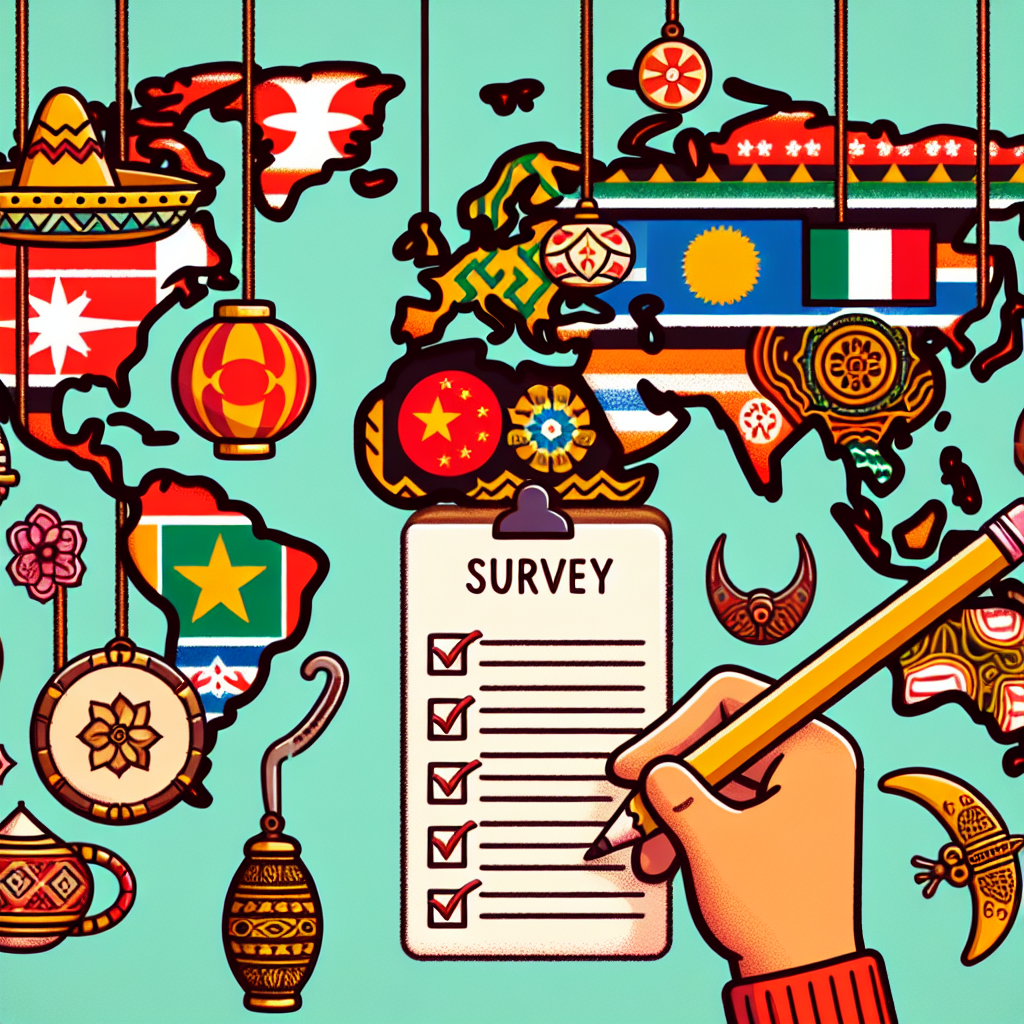
In an increasingly interconnected world, the importance of understanding cultural differences has never been greater, especially when it comes to data collection through surveys. The way people respond to survey questions can vary significantly across cultures due to diverse values, traditions, and societal norms. This article explores Global Perspectives: How Cultural Differences Influence Survey Responses and why these differences matter for businesses, researchers, and policymakers alike.
Imagine conducting a global survey about the perception of work-life balance. How would the responses differ between Western countries and Eastern cultures? The urgency to gather accurate, meaningful information is vital, yet misinterpretation can lead businesses awry. In this comprehensive exploration, we will delve into case studies, provide actionable insights, and attempt to decode the vast tapestry of human response behavior based on cultural contexts.
Understanding Cultural Context in Surveys
What Are Cultural Differences?
Cultural differences refer to the varied practices, beliefs, and values that distinguish one group of people from another. These differences shape how individuals express opinions, perceive questions, and interpret scales or options in surveys.
The Impact of Culture on Communication Styles
Cultural dimensions theorists, like Geert Hofstede, have identified several dimensions such as individualism vs. collectivism and power distance that directly impact how people communicate. For instance:
- Individualistic cultures (e.g., the United States) value personal achievement and autonomy, leading to more direct responses.
- Collectivistic cultures (e.g., Japan) emphasize group harmony, causing respondents to avoid extreme answers to maintain social rapport.
Table 1: Cultural Dimensions in Survey Responses
| Dimension | Individualistic Cultures | Collectivistic Cultures |
|---|---|---|
| Communication Style | Direct and explicit | Indirect and implicit |
| Attitude toward Authority | Questions authority openly | Respects hierarchical structures |
| Response Style | More willingness to give extreme ratings | Tends to provide moderate scores |
Case Studies Highlighting Cultural Variations
Case Study 1: Global Appraisal of Work-Life Balance
In a multinational study conducted by Gallup, researchers surveyed employees from varied cultural backgrounds regarding work-life balance. The results varied widely:
- In Denmark, respondents generally reported high levels of satisfaction, representing individualistic achievements.
- Conversely, in Japan, where collectivism governs, employees reported feeling a strong sense of obligation to their company, leading to more moderate satisfaction scores.
Analysis
The divergent responses underline how cultural factors influence the interpretation of “work-life balance.” Understanding these nuances can improve how surveys are crafted and interpreted.
Case Study 2: Customer Satisfaction Surveys
A prominent restaurant chain conducted customer satisfaction surveys across countries like France, Brazil, and China. While the French were vocal about quality, the Brazilian respondents rated their experience more favorably than perhaps warranted due to the emphasis on social interaction and hospitality.
Analysis
This case illustrates how Global Perspectives: How Cultural Differences Influence Survey Responses can skew interpretations of customer satisfaction and guide strategic improvements.
Designing Culturally Sensitive Surveys
The Importance of Language
Language plays a crucial role in surveys. Translating a question word-for-word can lead to loss of meaning. Consider using locally relevant phrases that resonate with cultural values. For instance, using “family time” may be interpreted differently in collectivist cultures than in individualistic ones.
Visual Elements in Surveys
Visual aids, such as icons or images, can transcend language barriers. However, their interpretation can depend on cultural contexts. For instance, colors have different significances; red signifies luck in China but danger in Western contexts.
Ensuring Comprehension and Engagement
Engaging respondents requires understanding their perspectives. Utilizing methods like focus groups from the target demographic can provide insights into how questions may be perceived.
Data Interpretation: The Art and Science of Analyzing Responses
What to Look For
When analyzing data collected across cultures, attention should be given to:
- Non-response Bias: Are some cultures less likely to respond?
- Extreme Response Bias: Are respondents from certain cultures more prone to choose the highest or lowest scales?
Table 2: Interpreting Cultural Responses
| Cultural Region | Non-Response Bias | Extreme Response Bias |
|---|---|---|
| North America | Low | Moderate |
| East Asia | Moderate | Low |
| Middle East | High | High |
The Future of Global Surveys
Technological Integration
With the rise of data analytics and AI, surveys can be tailored on demand, accommodating various cultural nuances dynamically. Technologies ranging from language processing to machine learning can predict potential biases and tailor content accordingly.
Ethical Considerations
Data collected must respect cultural sensitivities. Transparency about how data will be used and securing informed consent is crucial.
Conclusion
Understanding Global Perspectives: How Cultural Differences Influence Survey Responses offers valuable insights that transcend simple data collection. As businesses and researchers navigate the global landscape, recognizing these cultural subtleties will empower them to collect more accurate and actionable data.
Surveying isn’t merely about numbers; it’s an art that requires respecting the rich diversity of cultural expressions. As we aim for inclusivity, let’s not forget: every unique response tells a story worth hearing.
FAQs
1. Why do cultural differences matter in surveys?
Cultural differences significantly affect how questions are interpreted and answered. Recognizing these nuances is essential for obtaining accurate and meaningful data.
2. How can I make my survey culturally sensitive?
Use language carefully, incorporate visuals thoughtfully, and consider local preferences when formulating questions to ensure cultural relevance and comprehension.
3. What role does language play in survey responses?
Language can influence how questions are perceived and answered. Translational accuracy and culturally relevant phrasing are crucial for interpreting results correctly.
4. How can I avoid biases in responses?
Utilize diverse response scales, ensure anonymity, and employ random sampling across cultural segments to achieve a well-rounded perspective.
5. What are the implications of extreme response bias?
Extreme response bias can distort the validity of survey results, leading to misinterpretations. Understanding cultural tendencies can help mitigate this issue.
In conclusion, as we embrace the challenge of globalized data collection, fostering a deeper understanding of how cultural differences shape survey responses is essential for enriching the dialogue and driving impactful outcomes.
About the Author


The PsyForU Editorial Collective is the research and editorial team of PsyForU Research International. The collective prepares educational, psychological, mental-health-awareness, inclusion, neurodiversity, and research-methodology content for students, parents, educators, researchers, and general readers. PsyForU content is intended for awareness, education, and capacity-building and should not be treated as clinical diagnosis, therapy, medical advice, legal advice, or emergency mental-health support.