Introduction
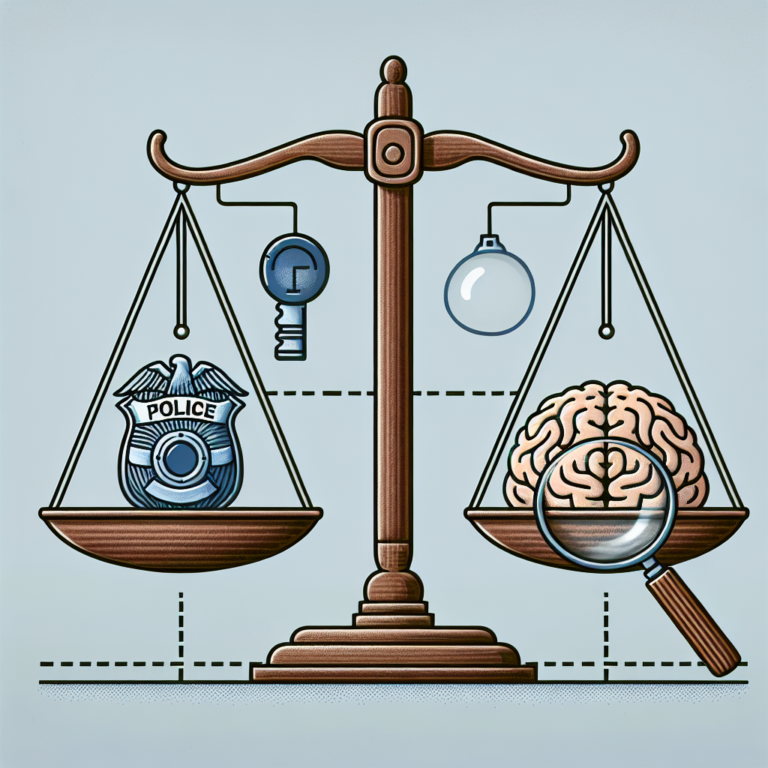
Imagine a world where the very first question asked in a forensic interview isn’t about the event in question but about the feelings and thoughts of the individual being interviewed. This shift toward empathy is revolutionizing the field of forensic interviewing and ultimately improving outcomes in criminal justice. The role of empathy in forensic interviewing is not merely a soft skill; it is a critical component that builds trust and facilitates more accurate information gathering.
In a society that increasingly values emotional intelligence, understanding the nuances of human emotion can significantly enhance the quality of forensic interviews. This article delves into the role of empathy in forensic interviewing, aiming to illustrate how empathy can positively affect outcomes for victims, witnesses, and the justice system as a whole.
The Importance of Trust in Forensic Interviewing
Building Rapport
Trust is the cornerstone of effective communication. In forensic settings, where interviews often revolve around traumatic events, building rapport becomes even more crucial. The role of empathy in forensic interviewing creates a safe environment for individuals to express themselves openly. When interviewers adopt an empathetic approach, they signal to the interviewee that they genuinely care about their feelings and experiences.
A study published in the Journal of Investigative Psychology and Offender Profiling emphasized the correlation between rapport-building techniques, including empathy, and the accuracy of information retrieved during interviews. The findings suggested that empathetic interviewers are more successful in eliciting detailed accounts from witnesses.
Real-World Application: The Terrible Case of the Los Angeles Ripper
In 2006, the LAPD found itself with a series of unsolved murders that had left the community in fear. Investigators realized that traditional interviewing methods were not yielding results. By shifting their approach to focus on empathy, they started building relationships with potential witnesses and community members.
Instead of adopting an authoritative stance, detectives engaged individuals on an emotional level, often sharing their concerns about community safety. The result? Not only did they gather crucial information from previously reluctant witnesses, but they also fostered a sense of community cooperation. The empathetic interviewing approach played a direct role in solving multiple cases that year and revitalized trust between the police and community.
Techniques for Empathetic Interviewing
Active Listening
Active listening is one of the fundamental skills essential to empathetic interviewing. It requires the interviewer to fully engage with the interviewee, not just hearing, but also understanding and responding appropriately to their feelings and emotions.
- Echoing: Reflecting back what the interviewee says to show understanding.
- Nodding: Non-verbal cues signaling attentiveness.
- Open-ended Questions: These invite participants to share their thoughts and feelings in-depth.
These techniques foster a deeper emotional connection between the interviewer and the interviewee, making it easier for sensitive information to be shared.
Vulnerability and Authenticity
One critical aspect of empathy is the willingness to be vulnerable. When interviewers show authenticity by sharing their own emotional reactions to the topic at hand, they create a safe space for the interviewee.
- Self-Disclosure: Briefly sharing personal experiences to demonstrate an understanding of the emotional context can encourage openness.
- Non-Judgmental Attitude: Maintaining an open mind encourages interviewees to communicate more effectively.
Case Study: The Impact of Soothing Techniques
In studying interviews conducted by professionals trained in trauma-informed interviewing zones, research revealed that soothing techniques—such as a calm tone, positive affirmations, and empathetic acknowledgments—contributed to increased information provision. Interviewees felt understood and valued, which ultimately led to more detailed and accurate retellings of events.
The Psychological Basis of Empathy in Forensic Settings
Psychological Safety
The role of empathy in forensic interviewing is rooted in psychological safety—the belief that one will not be penalized or humiliated for speaking up with ideas, questions, or concerns.
- Maslow’s Hierarchy of Needs: At the fundamental level, individuals seek safety and acceptance. By fostering an empathetic bond, interviewers address these basic human needs that facilitate the sharing of sensitive information.
Emotional Regulation
Not only can empathy help interviewers better process the emotional states of others, but it can also assist them in regulating their own emotions.
- Mindfulness Techniques: Utilizing mindfulness can allow for better emotional control, enabling the interviewer to remain calm even in challenging situations, thereby reducing the chances of escalating tension.
Table: Emotional Impact of Empathy in Interviews
| Emotional Response | Effect on Outcome | Mechanism |
|---|---|---|
| Trust Established | Greater openness | Empathetic engagement |
| Increased Details | More comprehensive accounts | Understanding emotional context |
| Reduced Anxiety | High comfort levels | Safe interviewing environment |
Challenges in Implementing Empathy
While the advantages of empathetic interviewing are profound, several challenges exist:
Training and Resources
Many law enforcement agencies still rely on traditional interview techniques, leaving little room for growth in empathetic practices.
Resistance to Change
The shift requires a cultural change within institutions; some professionals may perceive empathy as a weakness rather than a tool for effective interviewing.
Balancing Professional Detachment
Interviewers must find a balance between empathy and maintaining professional boundaries. Over-identification with the interviewee may lead to vicarious trauma.
Conclusion
In summation, the essential role of empathy in forensic interviewing is not merely an adjunct skill; it is a transformative tool that helps build trust, leading to better outcomes for all parties involved. By adopting empathetic interviewing techniques, law enforcement officials can gather more accurate information, foster community trust, and contribute to a justice system that prioritizes human experience.
As these techniques become more integrated into training programs and practice, the justice system can evolve to better serve victims and witnesses alike. Empathy isn’t just a ‘nice-to-have’; it is an essential component of effective forensic interviewing.
FAQs
1. What is forensic interviewing?
Forensic interviewing involves conducting interviews within a legal context, aimed at gathering information related to criminal investigations.
2. Why is empathy important in forensic interviewing?
Empathy helps build trust and rapport, ultimately leading to more accurate information gathered during interviews.
3. How can I develop empathy as an interviewer?
Engaging in active listening, practicing self-disclosure, and attending training programs focused on psychological safety can enhance empathetic skills.
4. Are there specific techniques for empathetic interviewing?
Yes, techniques such as open-ended questions, reflecting emotions, and maintaining a calm demeanor are effective.
5. What are some challenges to implementing empathy in forensic settings?
Challenges include institutional resistance, lack of training resources, and maintaining professional boundaries while being empathetic.
As the criminal justice system continues to evolve, embracing the role of empathy in forensic interviewing will be key to enhancing investigative success and fostering community relations. By understanding and implementing empathetic techniques, we can create a safer, more trusting environment in the pursuit of justice.
About the Author