Introduction
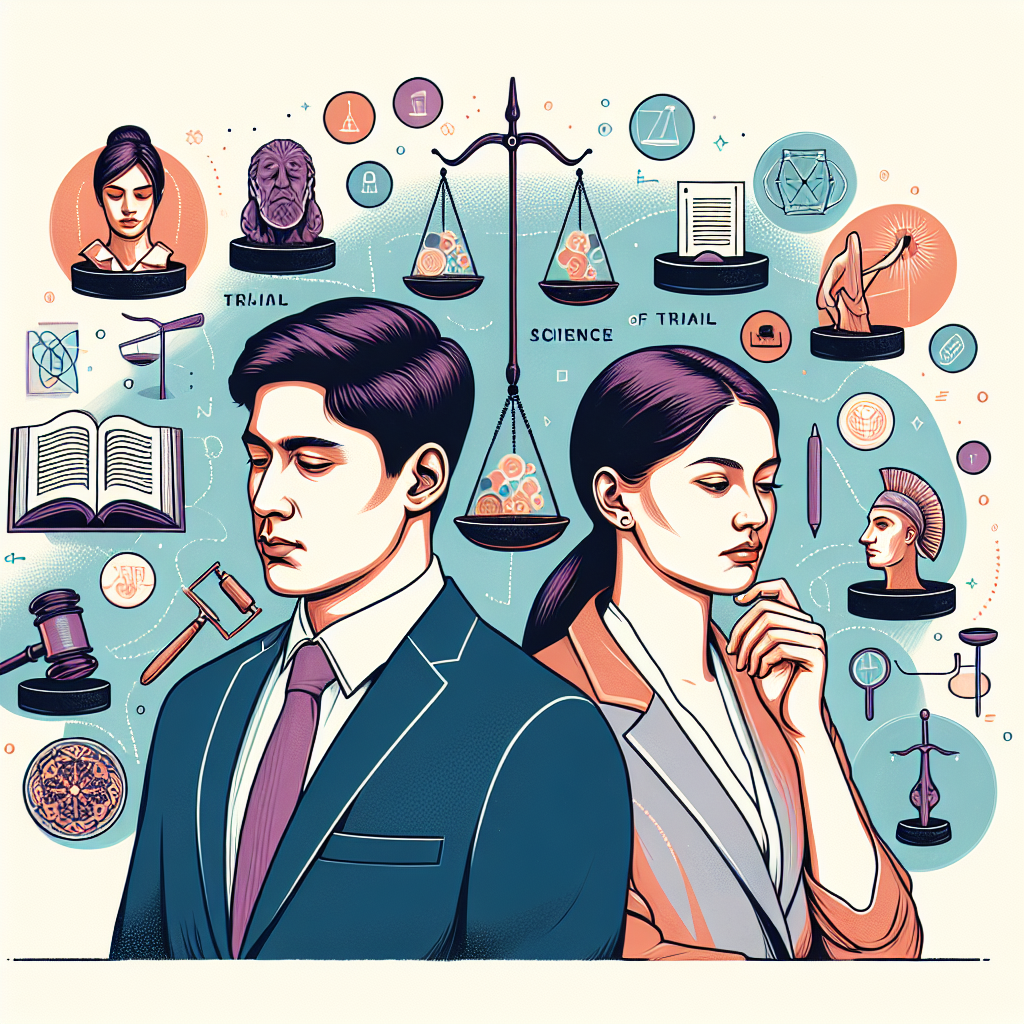
In the high-stakes world of litigation, outcomes can pivot dramatically based on the strategies employed before a jury or judge. Enter the realm of trial consultants, where innovative techniques not only shape the narrative but also enhance the possibility of success. The Science of Trials: Innovative Techniques Used by Trial Consultants unveils the advanced methodologies and psychological insights that underpin trial strategies today. As legal battles grow increasingly complex, understanding these innovative techniques becomes essential for legal teams striving for a competitive edge. Let’s delve into how these strategies revolutionize trial practices and influence verdicts.
Understanding Trial Consulting
The Role of Trial Consultants
Trial consultants provide invaluable support to legal teams, offering insights based on psychology, sociology, and communication. They help shape the presentation of cases, working to maximize persuasiveness in court. Techniques range from jury selection to narrative development and even psychological analysis, adapting each strategy to the specifics of the case at hand.
The Importance of Jury Dynamics
One of the significant contributions trial consultants provide involves understanding the dynamics of juror behavior. Jurors bring personal biases and experiences into the courtroom, influencing their perceptions and decisions. Thus, the ability to predict and sway these opinions becomes crucial.
Case Study: The Case of "State v. Evans"
In "State v. Evans," a high-profile murder trial, trial consultants employed extensive focus groups to understand juror psychology better. The consultant used mock juries to test various arguments and evidence presentation styles. The ultimate strategy that emerged focused on emotional engagement rather than purely factual presentations, leading to a conviction based on compassion instead of cold hard facts.
Analysis: This case exemplifies the power of innovative testing methods in shaping legal strategies, highlighting how a nuanced understanding of juror emotion can sway decisions.
Innovative Techniques in Jury Selection
Data-Driven Approaches
Modern trial consultants employ data analytics to refine jury selection. By analyzing demographic and psychographic data, consultants can predict juror leanings and biases effectively.
| Demographic Factors | Psychographic Factors | Prediction on Juror Leaning |
|---|---|---|
| Age | Political Affiliation | Conservative |
| Race | Values | Progressive |
| Education Level | Lifestyle Choices | Likely indifferent |
Technology in Jury Selection
Technologies like artificial intelligence are revolutionizing how trial consultants approach jury selection. Tools that analyze social media behaviors, combined with traditional research methods, yield richer profiles of potential jurors.
Case Study: "Johnson v. Corporation X"
In "Johnson v. Corporation X," trial consultants leveraged data analytics to build a jury profile that closely matched the client’s target demographic. The result? The jury was far more sympathetic, leading to a significant award for the plaintiff.
Analysis: This underscores how the integration of technology into the jury selection process elevates traditional methods, providing more accurate predictions about juror behavior.
Persuasive Communication Techniques
Storytelling as a Technique
One of the most compelling methods employed by trial consultants is storytelling. Crafting a narrative that resonates emotionally with jurors can make complex legal issues relatable and understandable.
The Elements of Effective Storytelling
- Character Development: Introducing relatable figures.
- Conflicts: Highlighting struggles that evoke empathy.
- Resolution: Offering a satisfying conclusion that underscores the case’s core message.
Case Study: "The People v. Roberts"
In this noteworthy case, trial consultants focused on storytelling to present the defendant’s background. The emotional portrayal of the defendant’s struggles was pivotal in fostering sympathy, leading the jury to acquit based on relatability rather than evidence alone.
Analysis: This case demonstrates that effective storytelling can humanize defendants or plaintiffs, creating a profound narrative that can tip the balance of justice.
Behavioral Analysis and Psychological Techniques
Understanding Biases and Heuristics
Trial consultants utilize behavioral economics and psychological principles to influence juror attitudes. Familiar concepts such as confirmation bias—the tendency to search for or interpret information in a way that confirms pre-existing beliefs—become critical in trial preparations.
Techniques to Counteract Bias
- Reframing Evidence: Presenting evidence in a context that challenges preconceived notions.
- Utilizing Anchoring Effect: Using specific numbers or facts to shape juror expectations.
Case Study: "Doe v. State"
In "Doe v. State," the defense team’s trial consultant reframed the evidence to counteract the confirmation bias prevalent in the jury. By presenting alternative narratives that aligned with juror experiences, the verdict was modified dramatically.
Analysis: The effective maneuvering around cognitive biases not only showcases the nuanced understanding of psychology but also highlights its tangible application in trial outcomes.
Visual and Multimedia Strategies
Utilizing Visual Aids
Trial consultants increasingly integrate visual aids to enhance comprehension and retention. Utilizing infographics, videos, and interactive presentations captures juror attention and makes complex information digestible.
The Effectiveness of Visuals
Research indicates that jurors retain information from visual presentations significantly better than from verbal testimony alone.
Case Study: "Smith v. Smith Corp."
In "Smith v. Smith Corp," the use of an animated video clarifying complex technical details about the case played a crucial role in the jury’s understanding. The outcome was a favorable verdict attributed directly to clarity through visualization.
Analysis: This case supports the premise that effective use of visual aids can simplify and clarify complex issues, significantly impacting juror understanding and decisions.
Mock Trials and Focus Groups
Understanding the Value of Mock Trials
Trial consultants frequently conduct mock trials to simulate real courtroom scenarios. These trials allow attorneys to practice their case strategies and receive feedback on their presenting styles and arguments.
Case Study: "Anderson v. Tech Company"
In "Anderson v. Tech Company," a series of mock trials revealed weak points in the plaintiff’s argument that attorneys were blind to. Feedback from jurors provided insights which enabled the team to strengthen their presentation drastically.
Analysis: Real-time feedback from mock trials underpins the effectiveness of preparation, showcasing the iterative process involved in perfecting a trial strategy.
Conclusion
The field of trial consulting is a fascinating blend of psychology, technology, and strategy, deeply rooted in The Science of Trials: Innovative Techniques Used by Trial Consultants. Each innovative technique—be it data-driven jury selection, compelling storytelling, or the strategic use of visual aids—plays a vital role in shaping outcomes. As legal battles intensify, the application of these techniques will only become more sophisticated, equipping attorneys to face the complexities of modern litigation with confidence and ingenuity.
The realm of trial consulting presents an exciting opportunity for legal professionals eager to enhance their approach. Implementing these innovative techniques can elevate case strategies and significantly impact judicial outcomes.
FAQs
1. What are trial consultants?
Trial consultants are professionals who assist legal teams in preparing for trials. They provide insights based on various disciplines, including psychology, sociology, and communication.
2. How do trial consultants assist with jury selection?
Trial consultants use data analysis and demographic profiling to predict juror behavior and biases, helping legal teams select jurors that are likely to be favorable to their case.
3. What role does storytelling play in trials?
Storytelling is a powerful tool that helps jurors relate emotionally to a case. It simplifies complex issues and makes them more engaging, which can significantly sway jury opinions.
4. How can visual aids enhance a trial?
Visual aids make complex information more understandable and memorable for jurors. They provide clarity and can significantly impact juror comprehension and retention.
5. Why are mock trials important?
Mock trials simulate real courtroom scenarios, allowing legal teams to test their arguments and strategies. The feedback received during these trials helps identify weaknesses and improve case presentation.
In this world where every detail counts, understanding and implementing The Science of Trials: Innovative Techniques Used by Trial Consultants can lead to profound shifts in trial outcomes, making it an essential consideration for every legal professional.
About the Author


The PsyForU Editorial Collective is the research and editorial team of PsyForU Research International. The collective prepares educational, psychological, mental-health-awareness, inclusion, neurodiversity, and research-methodology content for students, parents, educators, researchers, and general readers. PsyForU content is intended for awareness, education, and capacity-building and should not be treated as clinical diagnosis, therapy, medical advice, legal advice, or emergency mental-health support.