Beginner-Friendly Mindfulness: Your Essential First Steps in Meditation
Introduction
In today’s fast-paced world brimming with distractions, the art of mindfulness has emerged as an oasis of calm. Beginner-friendly mindfulness techniques are no longer a luxury reserved for the spiritually inclined; they have become essential tools for everyone striving to capture fleeting moments of stillness amid chaos. Engaging in beginner-friendly mindfulness not only fosters personal well-being but also empowers individuals to cultivate deeper connections with themselves and their surroundings.
Embrace the transformative journey of meditation—a journey that begins with mindful introspection and culminates in profound peace. This guide, "Beginner-Friendly Mindfulness: Your First Steps in Meditation," aims to usher you into this fulfilling practice while maintaining a sense of approachability and practicality. Let’s explore how you can embark on this enlightening path.
Understanding Mindfulness Meditation
What Is Mindfulness?
Mindfulness, at its core, is the practice of paying attention to the present moment without judgment. Rooted in ancient Buddhist traditions, its essence has transcended cultures, adapting into a modern-day holistic wellness approach.
The Benefits of Mindfulness Meditation
Recent studies have illuminated the myriad benefits of mindfulness meditation, supporting its expansive adoption in therapeutic practices and daily life.
| Benefit | Description |
|---|---|
| Stress Reduction | Meditation lowers cortisol levels, reducing stress. |
| Improved Focus | Enhances concentration and cognitive skills. |
| Emotional Health | Fosters emotional regulation and stability. |
| Enhanced Well-being | Increases overall satisfaction and happiness. |
| Better Sleep Quality | Promotes relaxation, leading to improved sleep patterns. |
Real-World Applications
Take Emma, a corporate employee burdened by her high-stress job. After a few weeks of practicing beginner-friendly mindfulness techniques daily, she noticed a remarkable shift. Emma felt less overwhelmed, experienced fewer mood swings, and developed a more optimistic outlook toward challenges. Her story exemplifies the transformative potential of beginner-friendly mindfulness.
Your First Steps in Meditation
Setting the Stage for Meditation
Choosing the Right Environment
The first step in your mindfulness journey is to create a serene environment. A tranquil space fosters concentration and peace. Choose a spot with minimal distractions where you’re comfortable.
Essential Tools
While you don’t need much to begin, a few items can enhance your experience:
- Meditation Cushion: Provides comfort, especially during longer sessions.
- Sound Machine or Calm Playlist: Helps to mask distracting noises.
- Journal: Regular entries can track your growth and reflections.
Embracing the Basics
Mindful Breathing
Beginner-friendly mindfulness often starts with the most natural process—your breath. Here’s a simple technique:
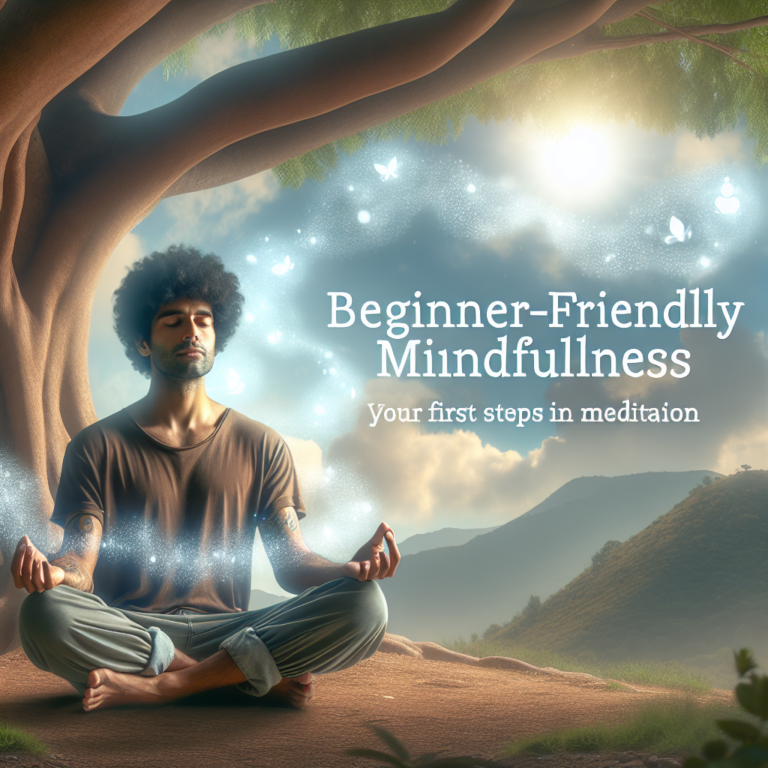
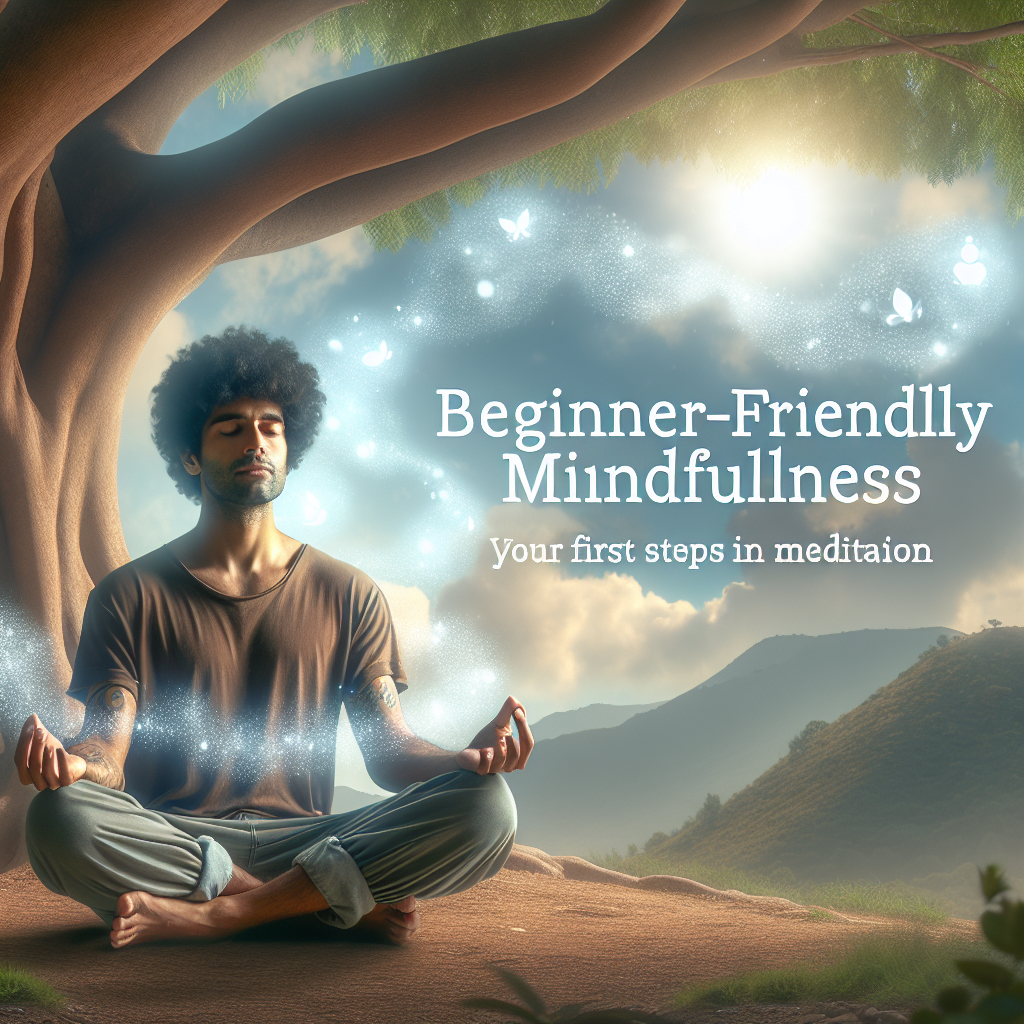
- Find a Comfortable Position: You can sit cross-legged on the floor or in a supportive chair with your feet flat.
- Close Your Eyes: This helps filter out external distractions.
- Take Deep Breaths: Inhale slowly through your nose, feeling your abdomen expand. Exhale through your mouth.
Body Scan Technique
The body scan is another foundational practice to promote awareness. Here’s how to practice it:
- Lie Down or Sit Comfortably: Ensure you feel at ease.
- Focus on Each Body Part: Starting from your toes, consciously relax each area, moving upward.
- Observe Sensations: Note any feelings of tension or relaxation without judgment.
Structuring Your Sessions
Duration
As a beginner, you may find shorter sessions more manageable. Aim for 5 to 10 minutes daily, gradually increasing as you grow comfortable.
Frequency
Daily practice is ideal, but aim for consistency—it’s more beneficial than sporadic longer sessions.
Leveraging Mindfulness Apps
Digital resources can augment your meditation journey. There’s a myriad of beginner-friendly mindfulness apps equipped with guided meditations, reminders, and customizable features:
| App Name | Features |
|---|---|
| Headspace | User-friendly design with various meditation types. |
| Calm | Offers sleep stories and nature sounds. |
| Insight Timer | A large library of free meditations from various teachers. |
Exploring Advanced Techniques
As you gain confidence, advanced beginner-friendly mindfulness techniques await. These approaches expand your meditation toolkit and deepen your practice.
Loving-Kindness Meditation
This form of meditation encourages compassion for oneself and others. Engage in this mantra-based practice by silently repeating phrases, sending good wishes to yourself and those around you.
Mindful Movement
Incorporate practices such as yoga or tai chi, which integrate mindfulness with physical activity. These movements cultivate awareness while promoting physical health.
Walking Meditation
Connect with the world around you by practicing mindfulness during a walk. Focus on the sensation of your feet touching the ground and the rhythm of your breath, allowing each step to ground you further.
Challenges and Solutions
Common Obstacles in Mindfulness Practice
Mindfulness is a journey, and just like any path, you may encounter hurdles. Let’s explore some common challenges and ways to overcome them.
| Challenge | Solution |
|---|---|
| Racing Thoughts | Acknowledge them, then gently guide your focus back to your breath or body sensations. |
| Discomfort | Adjust your posture or position until you find comfort. |
| Time Management | Incorporate short practices into your daily routine, such as mindful eating or commuting. |
The Importance of Patience
Remember, mindfulness is not a destination but a habit. Be kind to yourself; progress takes time, and exploration is vital.
Personal Reflections and Case Studies
Consider the stories of real individuals who have embraced beginner-friendly mindfulness.
Case Study: Tom’s Journey
Tom, a teacher, began practicing mindfulness following a particularly stressful school year. Initially skeptical, he committed to just five minutes of meditation each morning. Over time, Tom noted a significant reduction in his anxiety levels. He became more patient with his students and reported greater satisfaction in his personal life. His journey illustrates the immediate benefits that even short sessions can yield.
Case Study: Maria’s Workplace Transformation
Maria, a manager in a tech firm, introduced beginner-friendly mindfulness into her team meetings. By initiating brief mindfulness exercises, she noticed an uptick in team productivity and morale. Participants expressed feeling more focused and connected. This case underlines how mindfulness can extend beyond personal practice into professional environments, fostering collaborative healing.
Conclusion
The journey into beginner-friendly mindfulness is one of discovery, patience, and immense personal growth. As you embark on cultivating a meditation practice, remember:
- Mindfulness is your ally in navigating life’s chaos, promoting well-being and deeper connections.
- Start small—gradual changes lead to sustainable habits.
- Embrace the highs and lows; each session enriches your understanding of yourself.
With every breath, you’re taking steps towards cultivating mindfulness. May each moment serve as a stepping stone toward a more balanced, fulfilling life.
FAQs
1. What is the best time to practice mindfulness meditation?
The best time ultimately depends on your schedule. Many find mornings beneficial for setting a calm tone for the day, while others prefer evenings to unwind.
2. How can I stay motivated to continue my practice?
Set achievable goals, track your progress, and engage with supportive communities or meditation groups to maintain your motivation.
3. Is mindfulness meditation suitable for everyone?
Yes, mindfulness meditation is inclusive. It’s adaptable, so people of all ages and backgrounds can partake regardless of prior experience.
4. What if I struggle with distractions during meditation?
Acknowledge distractions, but gently guide your focus back to your breath or an anchor phrase. Embrace distractions as part of the learning process.
5. Can mindfulness improve my relationships?
Absolutely! Mindfulness fosters empathy, patience, and emotional intelligence, enhancing your interactions with others.
Embrace the journey of beginner-friendly mindfulness: your first steps in meditation are just the beginning of a profound transformation.
About the Author