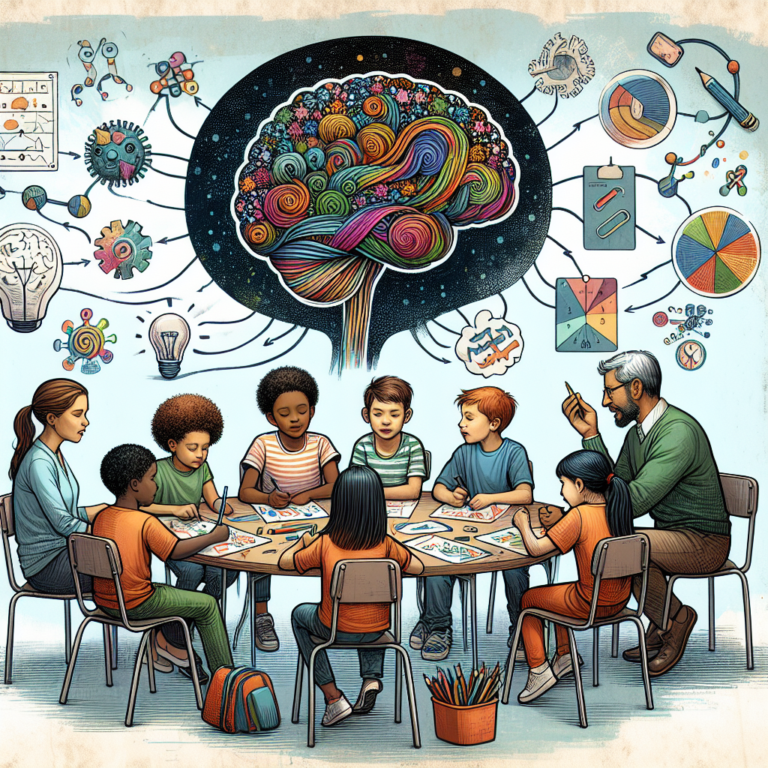
Behavioral Insights: What Case Studies Teach Us About Human Nature
Introduction
In a world increasingly driven by data and analytics, the study of human behavior has never been more critical. Behavioral insights—rooted in psychology and behavioral economics—illuminate how people think, feel, and act in different scenarios. But what exactly can case studies teach us about human nature? This article delves deep, offering compelling case studies and insights that not only underscore the value of this field but also help us apply these concepts to our daily lives.
Understanding Behavioral Insights
Behavioral insights focus on the underlying human factors that drive decision-making and behavior. Often defying traditional economic models that assume people are rational actors, these insights reveal a more complex human psyche influenced by emotions, social dynamics, and cognitive biases.
Case Study 1: The Power of Defaults
Real-World Application
One of the most impactful behavioral insights comes from the case of organ donation in various countries. Research shows that countries with opt-out systems—where citizens are presumed organ donors unless they specifically decline—have significantly higher rates of organ donation than those with opt-in systems.
| Country | Opt-In Rate | Opt-Out Rate |
|---|---|---|
| Netherlands | 27% | 95% |
| Germany | 12% | 85% |
Analysis
This case study illustrates the power of defaults in driving behavior. When individuals are presented with the option to "do nothing" (i.e., remain an organ donor), many will accept the default rather than take action to change it. This nuanced understanding of human nature underscores the importance of structure in decision-making.
The Role of Social Proof
Case Study 2: The Bystander Effect
Real-World Application
The bystander effect posits that individuals are less likely to help a victim when there are other people present. A classic case illustrating this phenomenon occurred in 1964, when Kitty Genovese was murdered in New York City. Approximately 38 witnesses reportedly did not intervene or call the police.
| Context | Number of Bystanders | Response Rate |
|---|---|---|
| Alone | 100% | Helped |
| Group | 38 | 0% |
Analysis
This case vividly illustrates human nature’s tendency to defer responsibility to others. While rational analysis may suggest that more people should lead to greater help, social proof often leads to inaction. Understanding this insight can empower communities to implement strategies that encourage proactive help, like public awareness campaigns framed around personal responsibility.
The Anchoring Effect
Case Study 3: Pricing Strategies
Real-World Application
In marketing, the anchoring effect plays a dominant role. When a luxury brand sets an initial high price for a product, even if the price later drops, customers view the reduced price more favorably. A well-documented case involves the automobile industry, where cars are often displayed with inflated prices before offering discounts.
| Initial Price | Discounted Price | Customer Likelihood of Purchase |
|---|---|---|
| $50,000 | $40,000 | 70% |
| $30,000 | $25,000 | 30% |
Analysis
This data reveals how human nature reacts to initial pricing cues. The anchoring effect demonstrates the significance of context in decision-making. If businesses can harness this insight, they can more effectively guide customer choices.
The Importance of Framing
Case Study 4: Health Communication
Real-World Application
Framing effects significantly impact public health messaging. For instance, a study found that people were more receptive to a vaccine when it was framed as "90% effective" rather than "10% ineffective." The framing of information alters perceptions and, consequently, behavior.
| Frame Type | Response Rate |
|---|---|
| "90% Effective" | 85% |
| "10% Ineffective" | 55% |
Analysis
This study underscores that the way information is presented can shape human perceptions and actions. Understanding this can aid policymakers and health officials in crafting messages that resonate with their audience, enhancing public health efforts.
Emotional Influences
Case Study 5: The Role of Emotions in Donations
Real-World Application
Charity campaigns often rely on emotional storytelling to drive donations. Research shows that when people are presented with a single, identifiable victim, rather than a statistic about a population, donation rates significantly increase.
| Victim Presentation | Average Donation Amount |
|---|---|
| Single Victim | $100 |
| Statistics | $10 |
Analysis
This stark difference illustrates that while humans may be driven by rational thought processes, emotional appeals often resonate more deeply. Understanding this fact can help non-profits design campaigns that effectively engage potential donors.
Behavioral Insights Across Multiple Sectors
Behavioral insights can be applied across various sectors—from health to marketing to public policy. Each case study reveals different facets of human nature and decision-making processes.
Education and Behavioral Insights
Educators are increasingly using these insights to design curricula that consider how students learn and engage. For instance, using social cues—like peer group engagement—can increase student participation and improve learning outcomes.
Environmental Behavior
In efforts to promote sustainability, behavioral insights have been harnessed to encourage eco-friendly behaviors. For example, communities have successfully increased recycling rates by providing immediate feedback on recycling efforts, tapping into the human desire for social feedback and accountability.
Conclusion
Behavioral insights are transforming how we understand human nature and decision-making. From organ donation to marketing strategies and beyond, the lessons learned from case studies are invaluable. By applying these insights, we can create environments that nudge individuals towards better decisions, whether they concern health, finances, or social responsibility.
Actionable Takeaway
With the knowledge gained from behavioral insights, we can all contribute to positive change in our communities. Whether you’re a policymaker, educator, or simply an engaged citizen, consider how these principles can be applied to foster more informed decision-making in daily life.
FAQs
1. What are behavioral insights?
Behavioral insights are the understanding of how psychological, emotional, and social factors influence people’s choices and actions.
2. How can businesses use behavioral insights?
Businesses can apply behavioral insights to marketing strategies, customer engagement, and product design by understanding how customers think and decide.
3. What is the bystander effect?
The bystander effect is a social psychological phenomenon where individuals are less likely to offer help to a victim when other people are present.
4. How do framing effects influence decision-making?
Framing effects show that the presentation of information can significantly impact perceptions and, subsequently, decisions people make.
5. Why are defaults important in decision-making?
Defaults leverage the human tendency to stick with the pre-set options, which can greatly influence behaviors, such as organ donation registration or retirement savings plans.
By exploring the topic of Behavioral Insights: What Case Studies Teach Us About Human Nature, we can better understand ourselves and each other, fostering a more compassionate and informed society.
About the Author