Introduction
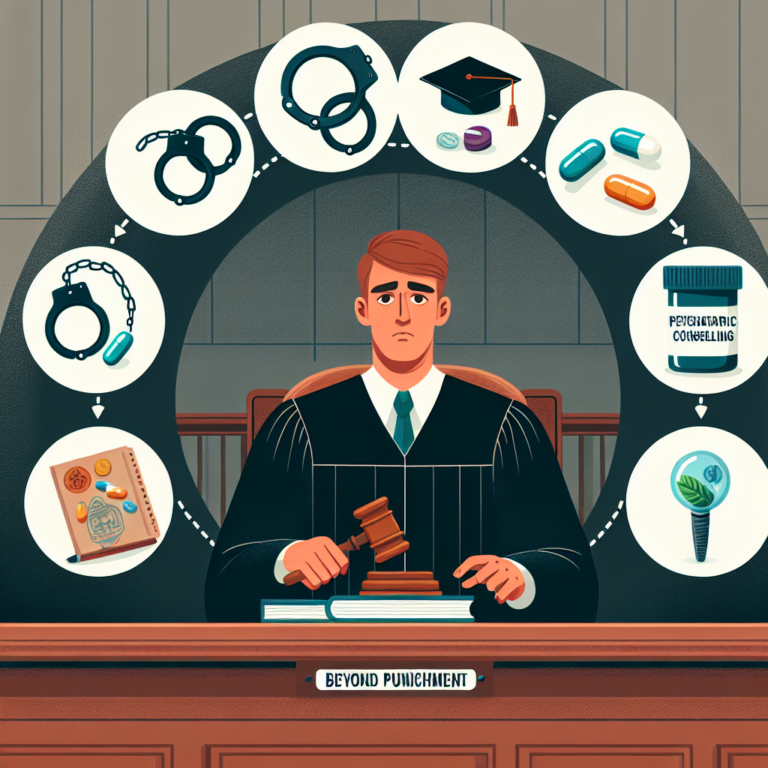
In the landscape of criminal justice, few concepts inspire as much heated debate as sentencing. The traditional view often focuses on punishment as retribution for wrongdoing. However, an emerging paradigm challenges this notion: Beyond Punishment: Exploring the Role of Sentencing Mitigation in Criminal Justice. This approach suggests that understanding the underlying causes of criminal behavior and incorporating sentencing mitigation can lead to more just and effective outcomes. As society grapples with the consequences of mass incarceration and seeks to balance justice with rehabilitation, understanding the nuances of sentencing mitigation becomes increasingly relevant and essential.
Understanding Sentencing Mitigation
What is Sentencing Mitigation?
Sentencing mitigation refers to factors that may reduce the severity of the punishment a defendant faces. These can include the offender’s background, mental health issues, substance abuse, and circumstances surrounding the crime. By recognizing these elements, the judicial system can create a more compassionate and contextual response to crime.
Historical Context of Sentencing Mitigation
Historically, the focus was predominantly on punishment, influenced by deterrence theories rooted in the belief that harsh sentences would prevent crime. However, societal views are shifting. Over the past few decades, there has been a growing acknowledgment that rehabilitation can be as crucial as punishment. This shift is encapsulated in the evolving approach to sentencing mitigation, where individual circumstances are considered, leading to options like probation and restorative justice.
Case Study: The Death Penalty to Life Sentences
In states that have abolished the death penalty in favor of life sentences without parole, we see a tangible example of this shift. The case of Henry Lee McCollum demonstrates how mitigating circumstances led to a reconsideration of harsh approaches. Wrongly convicted for a crime he didn’t commit, McCollum’s eventual exoneration sparked discussions about mitigation—highlighting the grave consequences of ignoring individual histories and circumstances.
| Factor | Impact on Sentencing |
|---|---|
| Mental health issues | Reduced sentences or rehabilitation |
| History of abuse | Consideration for alternatives |
| Substance abuse | Access to treatment and support |
| Age at time of offense | Juvenile status leading to leniency |
The Importance of Context in Sentencing
The Role of Socioeconomic Factors
Research indicates that socioeconomic status can significantly impact crime rates and, subsequently, sentencing outcomes. Individuals from disadvantaged backgrounds often face higher rates of arrest and harsher sentences, emphasizing the need for a more nuanced understanding of criminal behavior.
Psychological Factors in Criminal Behavior
Psychological evaluations can reveal issues such as PTSD or other trauma-related disorders that contribute to criminal actions. Arguably, in recognizing these issues, the courts can pave the way for mental health interventions rather than disproportionate penalties.
Case Study: The Impact of Trauma
The story of John W., a young man who committed robbery to afford treatment for his mental health condition, illustrates the need for context. Instead of a lengthy prison term, his judge mandated mental health treatment and community service, highlighting the potential benefits of sentencing mitigation.
Legislative Changes and Trends
Sentencing Reform Movements
The movement toward sentencing reform, particularly in states like California and New York, embraces mitigation strategies. These reforms seek to reduce incarceration rates by considering factors beyond the crime itself, emphasizing rehabilitation.
The Role of Nonprofit Organizations
Nonprofits play a crucial role in advocating for sentencing reform, providing resources for offenders, and highlighting the importance of mitigation factors. Organizations like the Sentencing Project focus on collective efforts to address and advocate for policies that incorporate sentencing mitigation.
The Intersection of Race and Sentencing Mitigation
Disparities in Sentencing
Racial disparities in sentencing reveal the significant impact of prejudice within the justice system. Studies show that marginalized communities often receive harsher penalties, underscoring the necessity for a clearer lens when evaluating cases through the lens of mitigation.
Examples of Successful Mitigation
Examples from jurisdictions that have employed sentencing mitigation, such as Seattle, reveal strides toward equity. Programs aimed at diversifying the judicial bench and increasing cultural competencies have led to more equitable sentencing outcomes.
Case Study: Racial Disparities in Sentencing
The case of LaToya H. demonstrated how mitigating circumstances related to racial and socioeconomic factors were acknowledged, ultimately leading to a reduced sentence similar to that of her non-minority counterparts. Her case underscores the significance of understanding disparities in access to mitigation.
Challenges to Implementing Sentencing Mitigation
Public Perception and Fear
The public often perceives sentencing mitigation as ‘soft on crime,’ which creates barriers to reform. Fear-based narratives overshadow the emphasis on rehabilitation and understanding individual circumstances.
Navigating Bureaucratic Structures
Implementation of sentencing mitigation faces bureaucratic challenges. Court systems often lack adequate resources or training for judges to consider mitigation comprehensively. Advocacy for comprehensive training is necessary to ensure judges are equipped to factor in mitigating circumstances.
The Future of Sentencing Mitigation
Promising Trends in Justice Reform
Recent trends indicate a move towards restorative justice models that prioritize reconciliation over punishment. Programs that demonstrate positive outcomes, such as Restorative Justice Circles, highlight the effectiveness of addressing underlying issues in a community context.
The Role of Technology
Technological innovations, including data analytics and machine learning, hold promise for enhancing the application of sentencing mitigation. By leveraging data, legal systems can identify patterns and propose tailored sentencing options based on individual circumstances.
Conclusion
As we explore the concept of Beyond Punishment: Exploring the Role of Sentencing Mitigation in Criminal Justice, it becomes evident that the path forward must consider individual circumstances. Addressing the roots of criminal behavior through mitigation fosters justice, healing, and a more equitable system. By prioritizing understanding over retribution, we can build a society where healing is as valued as accountability.
FAQs
1. What is sentencing mitigation?
Sentencing mitigation refers to factors that may lessen the severity of a defendant’s punishment, focusing on their background and circumstances surrounding the crime.
2. How does socioeconomic status affect sentencing?
Individuals from lower socioeconomic backgrounds often face harsher sentences, highlighting the need for a more nuanced understanding of their circumstances.
3. Are mental health issues considered in sentencing?
Yes, mental health issues are vital in mitigating circumstances and can lead judges to opt for rehabilitation instead of punishment.
4. How can the public support sentencing reform?
Public advocacy and education about the benefits of rehabilitation and sentencing mitigation help shift perceptions toward equitable justice.
5. What are some successful examples of sentencing mitigation?
Programs that promote community service and mental health treatment for non-violent offenders have shown positive results in various jurisdictions.
By delving into Beyond Punishment: Exploring the Role of Sentencing Mitigation in Criminal Justice, we are not just contemplating the nuances of crime and consequence; we are reimagining justice in a compassionate and effective manner.
About the Author