Introduction
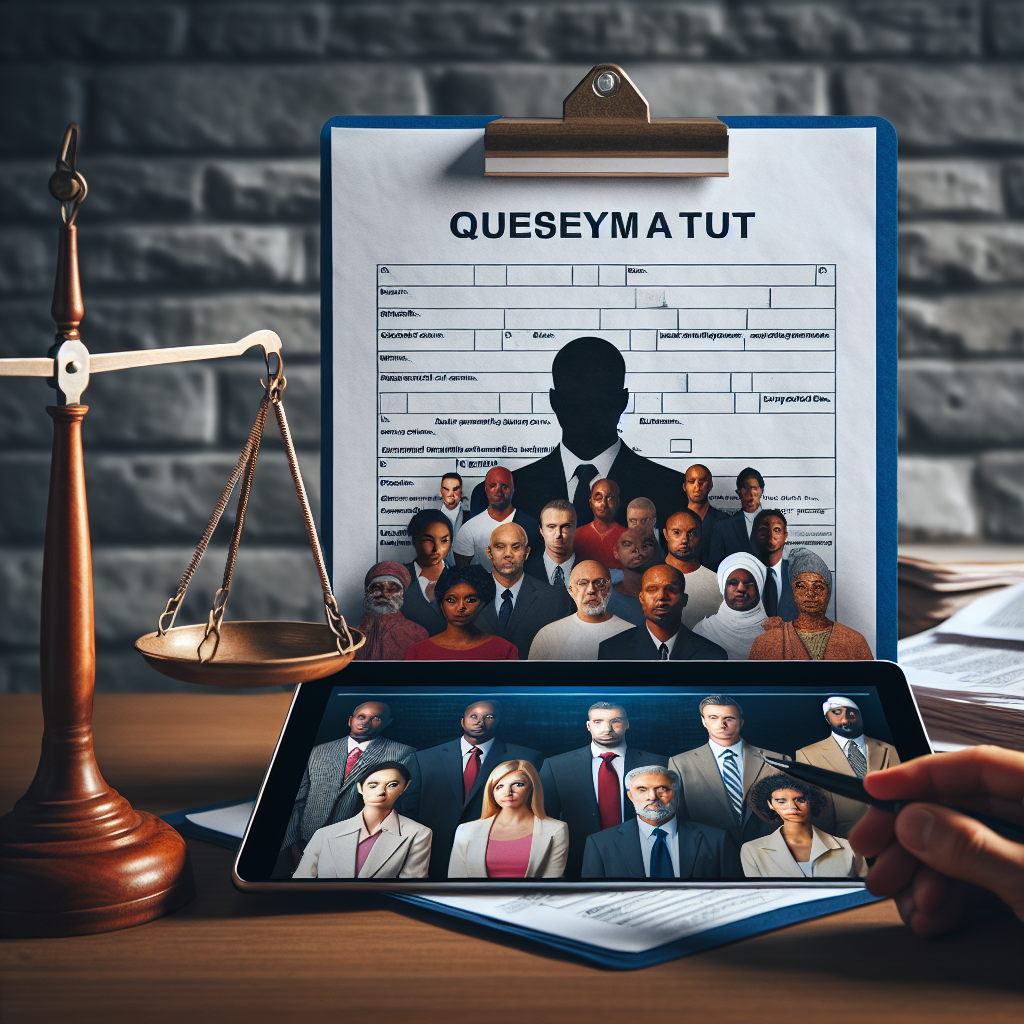
The jury selection process is one of the most intriguing aspects of the legal system, intricately weaving psychology, law, and human behavior into a single courtroom drama. But have you ever considered the role that background checks play in shaping the juries who decide the outcomes of cases? Understanding Beyond the Basics: How Background Checks Influence Jury Selection is essential, not just for legal professionals but for anyone interested in the complexities of justice.
Selecting a jury is a process fraught with nuance; the stakes are high. The composition of a jury can swing the outcome of a verdict, and attorneys know that the key to success often lies in choosing the right jurors. In this exploration, we will delve deep into the ways background checks can influence jury selection, revealing insights that extend beyond the basics.
The Importance of Jury Selection
The Jury’s Impact on Justice
Before diving into the mechanics of background checks, it’s imperative to understand the jury’s role in the judicial system. Always the cornerstone of trials, juries serve as the conscience of the community. They bring diverse perspectives that can influence verdicts significantly. But what happens when jurors’ backgrounds create unforeseen biases?
The Legal Framework
For a deeper understanding of how background checks intertwine with jury selection, let’s consider the legal backdrop. Courts aim for unbiased juries, and this is where the precision of background checks comes into play. Attorneys leverage these checks to sift through potential jurors, ensuring that the selection aligns with their case’s nuances.
How Background Checks Work
Types of Background Checks
When we speak of background checks in the context of jury selection, various types come into play:
- Criminal Records: Essential for identifying individuals with prior convictions that could affect their impartiality.
- Employment History: Understanding a juror’s professional background can provide insight into their biases.
- Social Media Analysis: In our digital age, online behavior can reveal attitudes and beliefs that might influence jurors’ decisions.
The Process of Conducting Checks
Conducting a background check is not just a matter of clicking a button. It involves methodical research, potentially utilizing databases, public records, and social media. Attorneys often work with specialized professionals to conduct these checks efficiently, navigating a range of laws surrounding privacy and data use.
Case Studies in Jury Selection
Case Study 1: The O.J. Simpson Trial
One of the most notable cases in American legal history, the O.J. Simpson trial, showcased how background checks can influence jury selection dramatically. The defense aimed to build a jury that resonated with Simpson’s experience as a celebrity. However, the prosecution pushed for jurors who would focus more on legal principles than personal biases.
Analysis: This case exemplifies the psychological factors at play; the jurors’ backgrounds created polarized perceptions that profoundly swayed the trial’s outcome. The nuances of race and celebrity culture were crucial here, underscoring how essential background checks are for unearthing predispositions.
Case Study 2: The Casey Anthony Trial
In the Casey Anthony trial, a young mother was accused of murdering her daughter. The jury selection was an intensive process where background checks were pivotal. Various jurors had personal experiences with motherhood that contributed to their views on the case.
Analysis: This case highlighted how emotional backgrounds could lead to empathy or bias. Jurors’ prior experiences played a crucial role in their decision-making process, revealing the synergistic relationship between personal history and courtroom dynamics.
| Case Study | Influence of Background Checks |
|---|---|
| O.J. Simpson | Focus on celebrity status and racial dynamics |
| Casey Anthony | Personal experiences with motherhood impacted juror sentiment |
Case Study 3: The Trial of George Zimmerman
The trial of George Zimmerman for the shooting of Trayvon Martin brought race, self-defense, and societal norms into the spotlight. Background checks revealed significant biases among potential jurors, influencing the defense and prosecution strategies during selection.
Analysis: This case presents a stark reminder of how social and racial contexts shape juror perspectives. The data pulled from background checks fed into the narrative each side wished to construct, aiming to secure jurors sympathetic to their arguments.
The Technology Behind Background Checks
Modern Tools for Efficiency
With technological advancements, background checks are becoming increasingly easier and more comprehensive. Various tools and services allow attorneys to perform checks quickly and deeply.
Table of Popular Background Check Tools
| Tool | Description | Best For |
|---|---|---|
| TruthFinder | Aggregates social media and criminal records | Comprehensive insights |
| Instant Checkmate | User-friendly interface for public records | Quick access |
| BeenVerified | Integrates various sources for background information | Layered insights into past behaviors |
Ethical Considerations
While background checks are useful, they also raise ethical questions. The balance between ensuring a fair trial and respecting individual privacy is a tightrope act that all legal professionals must navigate. Cases where jurors’ private lives were unfairly probed have led to increased scrutiny on how rigorous these checks should be.
The Impact on Specific Cases
Bias Identification
One of the primary uses of background checks is identifying biases. A juror’s prior convictions, affiliations, or even their professional history can reveal potential biases that may influence trial outcomes. This practice is particularly crucial in cases involving sensitive issues such as race, domestic violence, and corporate lawsuits.
Voter Registration and Civic Engagement
Background checks may also involve examining jurors’ civic engagement or political affiliations. Such factors can vastly affect their viewpoints, particularly in high-profile cases. Attorneys must analyze not just what jurors report on their questionnaires but also the stories that emerge from their backgrounds.
Beyond the Basics: How Background Checks Influence Juror Decision-Making
First Impressions Matter
Research shows that first impressions can significantly affect juror behavior. This doesn’t just mean how attorneys present themselves in court; it also includes how potential jurors are perceived based on their backgrounds. A juror with a history of activism may come into a trial with preconceived notions about the case.
Building a Cognitive Framework
The background checks are not merely a listing of facts; they help attorneys create an understanding of jurors’ cognitive frameworks. This understanding is vital for effective questioning during voir dire—the jury selection process—allowing for intelligent selections based on a juror’s likelihood to sympathize with a particular side.
Creating a Balanced Panel
Ultimately, the goal is to assemble a jury that represents a balanced perspective. This often includes a mix of opinions and backgrounds to mitigate biases that any single juror might carry into the deliberation room.
Conclusion
In the intricate dance of jury selection, background checks serve as a fundamental component that can dramatically shift the scales of justice. They offer attorneys powerful insights into the motivations and predispositions of potential jurors. Thus, understanding Beyond the Basics: How Background Checks Influence Jury Selection is not only fascinating but essential for anyone engaged in or observing the judicial process.
The interplay of technology, ethics, and human psychology makes this topic multi-dimensional and endlessly intriguing. As legal battles rage on, the importance of informed jury selection will only grow. So the next time you think about a jury trial, remember the unseen forces at work behind those closed doors.
FAQs
1. What are the legal limits on background checks for jury selection?
In most jurisdictions, attorneys can conduct background checks but must navigate privacy laws and ethical guidelines. Every state has different rules, so it’s crucial to consult relevant laws.
2. How do attorneys use social media in background checks?
Attorneys can analyze a potential juror’s social media activity to gauge their beliefs and attitudes, identifying any biases that may affect their judgment in court.
3. What kinds of biases can background checks reveal?
Background checks can surface previous criminal convictions, affiliations with organizations, and personal experiences that may indicate a juror’s predisposition toward a case.
4. Are there ethical concerns with using background checks for jury selection?
Yes, some argue that excessive probing into a juror’s background can invade personal privacy and unfairly bias the selection process.
5. How do background checks impact the duration of the jury selection process?
Thorough background checks can extend the jury selection process, especially in complex cases, as attorneys seek to ensure a diverse yet balanced jury without hidden biases.
By understanding Beyond the Basics: How Background Checks Influence Jury Selection, we recognize the profound implications for our legal system and dare to ask what ethical frameworks can guide us in this pursuit of justice. Your informed participation in this conversation could pave the way for a more accountable legal framework, ensuring that our system reflects the values we hold dear.
About the Author


The PsyForU Editorial Collective is the research and editorial team of PsyForU Research International. The collective prepares educational, psychological, mental-health-awareness, inclusion, neurodiversity, and research-methodology content for students, parents, educators, researchers, and general readers. PsyForU content is intended for awareness, education, and capacity-building and should not be treated as clinical diagnosis, therapy, medical advice, legal advice, or emergency mental-health support.